Custom Branded 16oz Cups: Design Tips and Cost Breakdown
93 Views
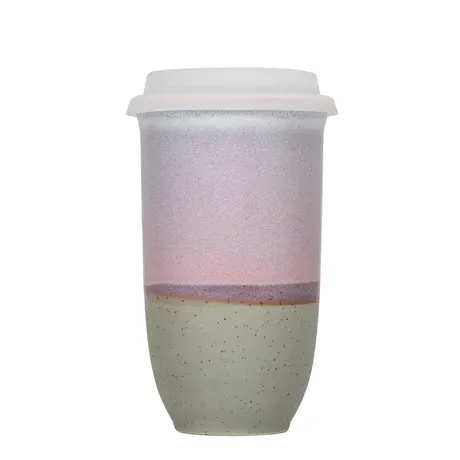
In the highly competitive American food and beverage industry, every single detail counts toward building brand equity. From the neon sign in your window to the texture of your napkins, your brand is defined by the physical touchpoints your customers interact with daily. Among these, few items offer as much mobile marketing power as a 16 oz cup.
Whether it is cradled in a customer’s hand during a morning commute through Chicago, featured in an Instagram story at a trendy Austin cafe, or sitting on an office desk in Manhattan, a custom-branded cup acts as a walking billboard. The 16oz size is universally recognized as the "sweet spot" for beverages, large enough for a satisfying iced latte, craft beer, smoothie, or soft drink, yet compact enough to hold on the go comfortably.
It does, however, take careful planning to move from basic drinkware to quality custom packaging. The following is a list of necessary design techniques and cost estimates for you to create a flawless custom packaging plan.
The Anatomy of an Eye-Catching Cup Design
A design for the rounded and narrowing surface has its own complexities. An image that appears to be perfect on a flat webpage or card can very easily get deformed or lost upon being placed on a 16oz container. These design guidelines will help you stand out.
1. Account for the Taper and Wrap
Cups are not perfect cylinders; they are cones with a truncated top. Because of this taper, printing straight horizontal lines across the cup will cause them to appear bowed or warped down the middle.
- Solution: Be sure to download and employ the exact design templates made available by your manufacturer. These design templates incorporate grids that have already been distorted in such a way as to correct the inherent curvature of the cup.
2. Prioritise logo placement and scale.
A common mistake is making the artwork either too massive (wrapping so far around that it cannot be read from a single angle) or too small (getting completely obscured by a customer's hand).
- Finding the Sweet Spot: Place your main logo inside a circular or rectangular area, measuring about 2.5 to 3 inches wide. Make sure you have a two-sided print to ensure that the logo is clearly seen if your customer uses their left hand or right hand, or even if they are facing a friend at a table.
3. Choose the Right Colour Strategy (PMS vs. CMYK)
The material that your selected cup is made from greatly influences the way colors come out.
- Spot Colors (PMS): If you have brand guidelines that state that your brand’s signature color should be the same regardless of what type of medium it is used on, go with Pantone Matching System (PMS) spot colors.
- Simplicity Rules: Simple, single-color printings such as white, black, or forest green can look much more contemporary and elegant when printed on clear plastic cups compared to multicolored designs.
Detailed Cost Breakdown: What to Expect
The total investment required for custom branding depends heavily on order volumes, material choices, and the complexity of your artwork. Let's look at the financial variables you will encounter when purchasing in the USA wholesale market.
Minimum Order Quantities (MOQs) and Unit Pricing
Custom printing requires specialized machinery setups, which means printing small batches is rarely cost-effective. Volume is the ultimate driver of unit cost.
- Small Quantities (1,000 - 3,000 cups): Suitable for solo pop-ups, festivals, and even testing out your idea. In this bracket, the cost per cup will be in the region of $0.22 - $0.26 for clear PET or single-wall paper cups.
- Mid-to-High Volumes (5,000 to 10,000+ cups): This is where economies of scale kick in for scaling cafes and restaurants. At 5,000+ units, prices drop significantly, often landing between $0.14 and $0.18 per cup.
- Enterprise Volumes (50,000+ cups): For regional chains and major event venues, bulk production drops wholesale rates down to a range of $0.06 to $0.10 per cup.
Shipping and Storage Realities
Cups are lightweight but highly voluminous. They take up substantial physical space, meaning freight shipping across the US can heavily impact your bottom line.
Pro-Tip: Always ask your packaging supplier if shipping is included in the quote or billed separately. Shipping multiple cases of nested cups across the country can easily add an extra 10% to 15% to your overall invoice. Make sure you have the physical back-of-house storage space to hold several bulky boxes of inventory before placing an order.
Wrapping Up
Adopting a customized cup branded in-house is one of the most effective changes in visuals you can introduce in your beverages. In such a case, your drinks will be packaged in an advertising tool that will contribute significantly towards the creation of equity for your brand with every sip taken by the consumer. Even though this process requires care when
Related Reading
Why Lifestyle & Culture is Transforming the Global Industry Landscape
Welcome to our in-depth exploration of Lifestyle & Culture. In an era define...
Expert Insights: Navigating the Complex World of Lifestyle & Culture
Welcome to our in-depth exploration of Lifestyle & Culture. In an era define...