Credit Card Processing Services For Small Business: Setup Guide
By Best Products Sales & Service, Inc.
40 Views
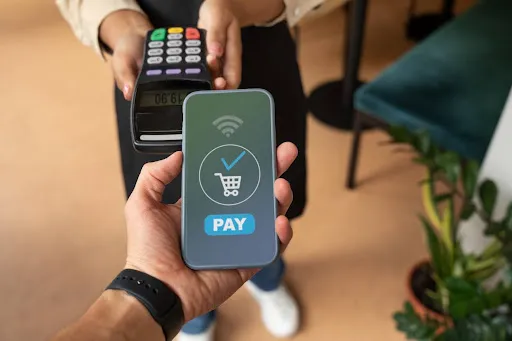
Accepting cards is no longer optional for most shops, restaurants, and service providers, yet the setup behind a simple tap or swipe can feel confusing. Behind every approved sale sits a chain of banks, networks, and software working in seconds. For owners comparing credit card processing services for small businesses, it helps to understand what is required to get started, how a transaction travels, and what happens afterward. This guide walks through the basic requirements, the step-by-step process, and the common questions new merchants ask, so that you can approach the final decision with clear expectations and far fewer surprises.
How a Card Transaction Works
Every card payment follows the same basic path. The sale starts at a merchant terminal, moves through a payment processor, and reaches the card networks and issuing banks, where it is authorized in real time. Fraud and risk checks are applied before the transaction is approved or declined. Modern terminals accept EMV chip, magnetic stripe, and NFC contactless payments, which covers most ways customers choose to pay. Together, these steps are what payment processing merchant services deliver behind the scenes.
After approval, transactions are grouped into batches and submitted for clearing. Funds then move from issuing banks through the card networks to the merchant’s account, typically within standard U.S. settlement timelines. Merchants also receive structured reporting, which supports reconciliation and financial tracking.
Basic Requirements to Get Set Up
Anyone shopping for credit card processing services for small businesses should know the core requirements first. The foundation is a registered merchant account, which is obtained through an acquiring bank and allows card transactions to be authorized, processed, and settled securely under regulated banking networks. Payment processors must also be registered and approved by acquiring banks and card networks, which supports compliance with operating regulations.
Security rules come next. Merchants are grouped into PCI levels based on annual transaction volume and must complete validation through self-assessment questionnaires or on-site audits, depending on the level. Card-present sales in the U.S. rely heavily on EMV chip-enabled terminals, which encrypt and authenticate transactions and reduce counterfeit card fraud. Under the EMV liability shift, responsibility for fraud can move to merchants who do not use EMV-capable terminals.
Fraud prevention tools round out the list. Tokenization, encryption, address verification, and card security code checks are expected, and real-time monitoring helps reduce chargebacks while protecting cardholder data from unauthorized access.
The Onboarding and Setup Process
Getting started follows a structured path. Merchants first submit business details for underwriting and identity verification, which confirms eligibility, assesses risk, and sets up a compliant account under acquiring bank requirements. A typical turnaround for this stage is about one business day. Once approved, the merchant is configured with suitable payment terminals or point-of-sale systems, connected to authorized payment networks so both card-present and card-not-present transactions are secured. Ongoing support then helps maintain system uptime, compliance, and day-to-day efficiency across payment channels.
Common Questions From New Merchants
Owners researching credit card processing services for small businesses often ask about eligibility and timing. Startups and sole proprietors can generally apply, and typical documents include a driver’s license, a tax ID, a copy of the tax ID form, and a voided check, all of which must match. Acquiring banks may review personal credit to assess risk and set processing limits. Most providers do not require a strict minimum volume, though estimated monthly volume helps determine pricing.
Conclusion
Card acceptance rests on a few dependable building blocks: a registered merchant account, a licensed processor, secure terminals, and solid fraud controls. Understanding them makes every quote and setup conversation easier to follow. For a practical look at how these pieces fit together, Best Products Sales & Service is an organization that outlines the process. Whatever route an owner takes, comparing requirements, timelines, and documentation carefully leads to a smoother start.
Related Reading
Top 10 Hidden Secrets About Business & Finance You Need to Know
Welcome to our in-depth exploration of Business & Finance. In an era defined...
Why Business & Finance is Transforming the Global Industry Landscape
Welcome to our in-depth exploration of Business & Finance. In an era defined...