CPVC Pipe Cost: Understanding Pricing, Quality, and Long-Term Value
By Anz Waters
23 Views
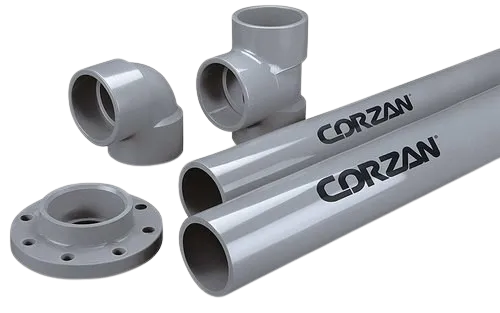
When planning a plumbing system for a residential, commercial, or industrial project, one of the first things people consider is the cost of the pipes. CPVC pipes are a popular choice because they offer a practical combination of durability, corrosion resistance, and ease of installation. However, the CPVC pipe cost can vary depending on several factors, including pipe size, pressure rating, material quality, application, and installation requirements.
Whether you are constructing a new building, upgrading an existing plumbing network, or planning an industrial piping system, understanding these factors can help you make a better purchasing decision. Instead of focusing only on the initial price, it is important to consider the overall value that CPVC piping can provide throughout its service life.
What Are CPVC Pipes?
CPVC stands for Chlorinated Polyvinyl Chloride. It is a thermoplastic material produced by chlorinating PVC resin, resulting in a material with improved temperature resistance compared with standard PVC.
CPVC pipes are commonly used in hot and cold water distribution systems, residential plumbing, commercial buildings, and selected industrial applications. Their ability to handle elevated temperatures makes them suitable for systems where ordinary PVC may not be appropriate.
Another important advantage is their resistance to corrosion and scaling. Unlike some traditional metal piping materials, CPVC does not rust. This characteristic makes it a useful option for many water distribution applications.
Before selecting CPVC pipes, however, it is essential to confirm that the material is suitable for the intended fluid, operating temperature, pressure, and applicable installation standards.
What Determines CPVC Pipe Cost?
The price of CPVC pipes is not the same for every project. Several factors influence the final quotation, and understanding them can help buyers compare products more effectively.
1. Pipe Size and Diameter
Pipe diameter is one of the primary factors affecting the cost. Smaller-diameter pipes generally require less material, while larger pipes typically involve more raw material and may require additional handling during transportation and installation.
For example, a small pipe used in a residential water supply line will generally cost less per length than a larger-diameter pipe designed for a commercial or industrial installation.
When estimating the budget, consider the diameter required for each section of the piping network rather than assuming that one size will work throughout the project.
2. Pressure Rating and Wall Thickness
CPVC pipes are manufactured for different operating requirements. Their pressure ratings and wall thicknesses can influence the overall price.
A piping system designed to operate under specific pressure and temperature conditions must use products that meet those requirements. Selecting a pipe simply because it is cheaper can create problems if it does not have the necessary specifications.
Always review the manufacturer's technical documentation and confirm that the selected pipe is suitable for the intended application.
3. Material Quality and Manufacturing Standards
Material quality plays an important role in the performance and reliability of a piping system. Products manufactured to recognized standards and supported by appropriate technical documentation can provide greater confidence during selection and installation.
When comparing quotations, check the manufacturer's specifications, product certifications where applicable, dimensional consistency, and intended operating conditions.
A lower-priced product may not provide the same value if it fails to meet the project's requirements. For this reason, quality should be considered alongside CPVC pipe cost, rather than treating price as the only deciding factor.
4. Quantity and Project Requirements
The total quantity required can influence the final purchasing price. Large construction and industrial projects may need hundreds or thousands of metres of piping, while smaller installations require much less material.
Bulk purchasing may provide opportunities for better commercial pricing, depending on the supplier, product availability, and order specifications.
Accurate quantity calculations are especially important for large projects because unnecessary purchases can increase costs, while insufficient quantities can cause delays and additional transportation expenses.
5. Fittings and Installation Accessories
A complete piping system requires more than straight pipe sections. Depending on the design, it may include elbows, tees, couplings, reducers, valves, and other compatible components.
These accessories contribute to the overall project budget. Their quantities depend on the layout, number of connections, changes in direction, and equipment requirements.
It is therefore better to estimate the cost of the complete piping system instead of comparing pipe prices alone.
Why CPVC Pipes Can Be a Practical Investment
Although the initial purchase price is important, the long-term performance of a piping system can also influence its overall value.
CPVC offers several characteristics that make it suitable for many plumbing and fluid distribution applications.
Corrosion resistance: CPVC does not rust like conventional iron or steel piping. This can be beneficial in applications where corrosion resistance is an important requirement.
Temperature resistance: CPVC is suitable for many hot-water applications when the selected product is rated for the required temperature and pressure.
Relatively lightweight construction: CPVC pipes are generally easier to handle than many metal alternatives. This can simplify transportation and installation.
Potential maintenance advantages: In suitable applications, resistance to corrosion and scaling can help reduce certain maintenance concerns. Actual performance depends on water quality, installation practices, operating conditions, and product selection.
Installation convenience: CPVC piping systems use compatible joining methods that can simplify installation when handled by trained installers according to manufacturer instructions.
These characteristics can make CPVC an attractive option for residential, commercial, and selected industrial projects.
CPVC Pipe Cost for Different Applications
The required specifications and total project budget can vary considerably depending on where the piping will be installed.
Residential Plumbing
In residential buildings, CPVC pipes are commonly considered for hot and cold water distribution. The overall cost depends on the building size, number of bathrooms and kitchens, pipe diameter, fittings, and labour requirements.
For homeowners, a detailed material estimate can help prevent unexpected expenses during construction or renovation.
Commercial Buildings
Hotels, offices, hospitals, educational institutions, and shopping complexes may require more extensive piping networks than individual homes.
These projects often involve multiple pipe sizes, larger quantities, and more complex layouts. Planning the piping design carefully can help improve material estimation and reduce installation waste.
Industrial Piping Systems
Industrial applications require additional attention to operating conditions. The fluid being transported, chemical compatibility, temperature, pressure, and relevant safety standards all influence material selection.
CPVC may be suitable for certain industrial applications, but it should not be assumed to work with every chemical or process fluid. Engineers should verify compatibility and ensure that the complete piping system meets the project's technical requirements.
How to Estimate the Total Cost of a CPVC Piping System
A practical estimate begins with a clear understanding of the project's requirements.
Start by determining the total pipe length and the diameters needed for different sections. Next, identify the required pressure ratings and temperature conditions. After that, calculate the number of fittings, valves, connectors, and other accessories.
You should also consider labour, transportation, installation tools, testing, and any other project-specific expenses.
A basic estimation formula is:
Total Project Cost = Pipe Cost + Fittings and Accessories + Labour + Transportation + Testing and Other Applicable Expenses
This calculation provides a more realistic picture of the budget than the price of a single pipe alone.
It is also helpful to obtain quotations from reliable suppliers and compare them using the same technical specifications. This ensures that the products being evaluated are genuinely comparable.
Choosing a Reliable CPVC Piping Supplier
Selecting the right supplier is an important part of controlling project costs. A dependable supplier should be able to provide clear product specifications, relevant technical information, and guidance on choosing suitable piping components.
Before placing an order, confirm the availability of the required pipe sizes, delivery schedules, product standards, and warranty conditions where applicable.
For businesses and project contractors looking for information about CPVC piping solutions, ANZ Waters is a useful starting point for exploring its CPVC pipeline systems offering.
Reviewing the available information and discussing your project's technical requirements with a qualified supplier can help you identify an appropriate solution for your application.
Common Mistakes to Avoid When Comparing CPVC Pipe Prices
One common mistake is choosing a product solely because it has the lowest quoted price. The cheapest option may not meet the required pressure rating, temperature limits, or relevant standards.
Another mistake is overlooking the cost of fittings and installation. Even when the pipe itself is competitively priced, additional components and labour can significantly affect the final budget.
Buyers should also avoid ordering materials before the piping layout and quantity requirements have been properly reviewed.
Finally, make sure that the pipes and accessories are compatible with one another. Following the manufacturer's joining and installation instructions helps support the reliability of the completed system.
Final Thoughts
Understanding CPVC pipe cost involves more than checking the price per metre. Pipe diameter, pressure rating, material quality, order quantity, accessories, and installation requirements all influence the final project budget.
By evaluating these factors together, homeowners, contractors, engineers, and procurement teams can make more informed decisions. Comparing products with equivalent specifications and considering long-term performance can also help prevent unnecessary expenses.
If you are planning a new piping installation or upgrading an existing system, explore the CPVC pipeline systems offered by ANZ Waters to learn more about the available solutions. A well-planned piping system, supported by appropriate materials and professional installation, can help deliver reliable performance and better value over time.
Related Reading
Top 10 Hidden Secrets About Business & Finance You Need to Know
Welcome to our in-depth exploration of Business & Finance. In an era defined...
Why Business & Finance is Transforming the Global Industry Landscape
Welcome to our in-depth exploration of Business & Finance. In an era defined...