Cotton Dresses for Women: Styling and Buying Guide
66 Views
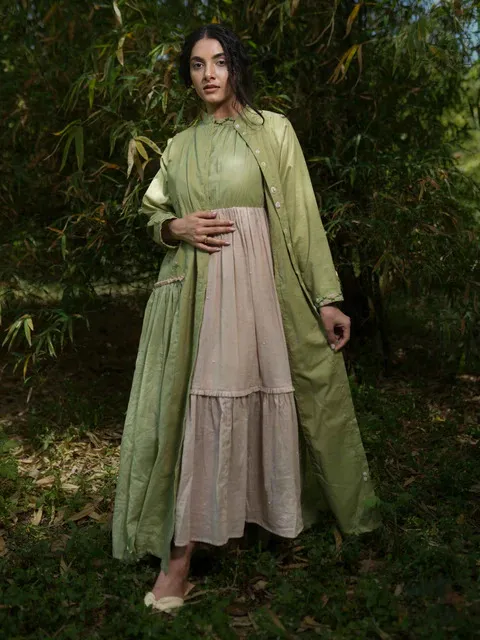
A cotton dress can be one of the most efficient pieces in a wardrobe — a single garment that solves the "what do I wear" question with minimal effort, provided it's chosen well. The trouble is that "cotton dress" covers an enormous range, from sheer voile slip dresses to structured shirt dresses in heavier poplin, each performing very differently once worn. For anyone shopping this category, comparing silhouettes and fabric types within a cotton fabric collection makes it easier to see those differences before committing to a purchase.
Understanding Dress Silhouettes
Silhouette affects both comfort and how a dress photographs or reads visually.
A-line dresses flatter a wide range of body types by skimming rather than clinging, and they tend to be the most forgiving choice for everyday wear. Shift dresses offer a straighter, more minimal silhouette, often relying on fabric quality and fit rather than shape for visual interest. Wrap dresses provide adjustable fit through the waist and tend to flatter through definition rather than looseness. Shirt dresses borrow structure from tailored shirting, offering a slightly more polished, put-together look that works well when belted.
Choosing a silhouette should factor in how the dress will actually be worn — an A-line works well for all-day comfort, while a wrap dress might suit occasions where a more defined shape is preferred.
Fabric Weight and Its Effect on Dress Behaviour
Lightweight cotton — voile, lawn, muslin — tends to suit relaxed, flowy silhouettes and works especially well for hot-weather dressing, since it moves easily and doesn't cling. Mid-weight cotton, like poplin, holds structure better and suits shirt dresses or silhouettes that need to maintain shape through the day. Heavier cotton, though less common in dresses, can work for more structured or transitional-season pieces where a bit of warmth and shape retention is welcome.
Occasion-Based Selection
Not every cotton dress needs to serve every occasion, and choosing with intention avoids wardrobe pieces that rarely get worn.
- Everyday and errands: A relaxed shift or A-line dress in lightweight cotton, easy to throw on with minimal accessorising.
- Work or smart-casual settings: A structured shirt dress or wrap dress in a slightly heavier weave, styled with heels or structured flats.
- Weekend or social occasions: A midi or maxi dress with some visual interest — texture, embroidery, or a distinctive cut — paired with statement accessories.
- Travel: A wrinkle-resistant, easy-care cotton dress that packs well and doesn't require much upkeep once unpacked.
Fit Considerations Specific to Dresses
Because most cotton (unless blended with elastane) has minimal stretch, fit matters more in dresses than in some other garment types. It's worth checking how a dress feels while sitting, walking, and reaching — not just standing still — since dresses cover a larger surface area of the body and any tightness becomes more noticeable over a full day. Waist definition, sleeve width, and hem length should all be assessed with actual movement in mind.
Styling a Cotton Dress Multiple Ways
A single well-chosen cotton dress can function as several different outfits depending on styling:
- Worn alone with sandals for a casual daytime look.
- Belted at the waist with heels for a smart-casual event.
- Layered with a denim jacket for cooler days or transitional weather.
- Paired with a structured blazer for a slightly more formal setting.
This versatility is part of why cotton dresses tend to offer strong value relative to cost — a single garment can realistically replace two or three more single-purpose pieces.
Caring for Cotton Dresses
Cotton dresses generally hold up well to regular machine washing, though care should be taken with any embellishments, embroidery, or trims that may require gentler handling. Washing in cold or lukewarm water and avoiding high-heat drying helps prevent shrinkage and preserves colour over time. Ironing while slightly damp, particularly for lighter weaves like voile or lawn, tends to produce better results than ironing fully dried fabric.
Buying With Confidence
When shopping for cotton dresses, it helps to evaluate fabric weight, weave, and construction quality rather than focusing on print or colour alone, since those structural elements determine how the dress will actually perform once worn. Comparing multiple dress styles within a single cotton clothing collection can make it easier to identify which combination of silhouette and fabric genuinely suits your lifestyle, rather than choosing based on how a dress looks on a hanger alone.
A Wardrobe Staple Worth Getting Right
Cotton dresses reward a bit of upfront consideration. Understanding silhouette, fabric weight, and occasion fit turns dress shopping from a visual guessing game into a more deliberate process — one that results in pieces genuinely worn often, rather than dresses that look appealing in-store but rarely make it out of the closet.