Considering Stem Cell Therapy Instead of Surgery? A Suwanee Patient’s Guide to Making an Informed Choice
By Emma Carter
117 Views
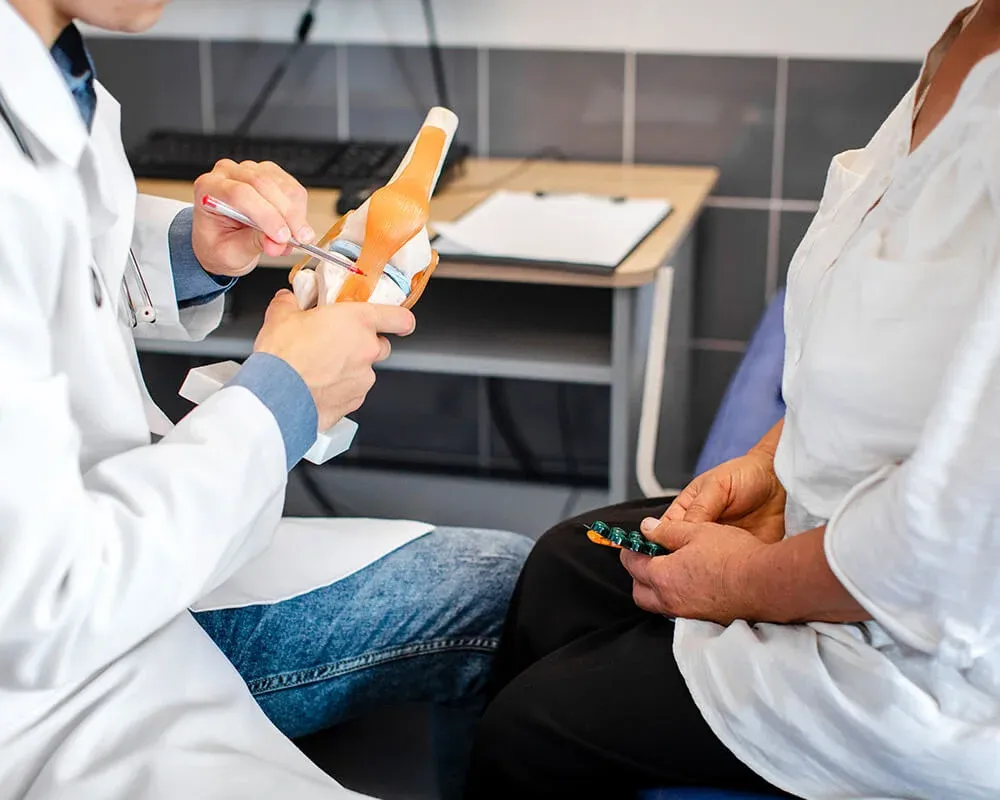
Most people do not think about stem cell therapy because they want the newest treatment. They think about it because pain has started taking away normal parts of life.
A knee hurts on stairs. A hip makes errands feel longer. Back pain turns work into a daily struggle. Shoulder pain makes sleep difficult. Then surgery gets mentioned, and the question becomes real.
“Do I really need surgery now?”
That question is common. A 2020 Health Expectations study looked at people considering stem cell therapy for knee osteoarthritis. Many patients wanted less pain, better movement, and more control over their treatment choices. They were not simply chasing a miracle. They were trying to stay active while facing a hard medical decision.
That same feeling is easy to understand in Suwanee, GA. People here work, raise families, commute, exercise, and try to stay mobile. When pain starts affecting daily life, searching for stem cell therapy near me can feel like a reasonable first step.
But the decision should not start with the treatment. It should start with the problem.
The Real Question Is Not “Stem Cells or Surgery?”
Stem cell therapy and surgery are not two versions of the same treatment.
Surgery is usually used when something structural needs to be repaired, replaced, or released. A severely damaged knee or hip joint may need replacement. A complete tendon tear may need repair. A compressed nerve may need pressure removed before weakness gets worse.
Stem cell therapy has a different goal. It is part of regenerative medicine, which aims to support the body’s repair response. In orthopedic care, patients often ask about it for arthritis, tendon injuries, ligament problems, knee pain, hip pain, shoulder pain, and spine-related pain.
Think of it like a door hinge. If the hinge is stiff and irritated, reducing irritation may help it move better. If the hinge is broken, oil will not rebuild it. The structure itself may need repair.
That is why the better question is not whether stem cell therapy is better than surgery. The better question is whether your condition is still at a stage where a non-surgical option may reasonably help.
Why This Question Matters in Suwanee
Suwanee has many residents who want to stay active, not just pain-free. Census Reporter lists Suwanee’s population at about 22,349, with a median age of 38.1. That means many residents are working, parenting, exercising, and managing busy routines.
Joint pain is also common across the United States. The CDC National Center for Health Statistics reported that 18.9% of U.S. adults had diagnosed arthritis in 2022. The rate was 21.5% for women and 16.1% for men. Among adults age 75 and older, diagnosed arthritis reached 53.9%.
These numbers matter because arthritis and joint pain are not small problems. They affect walking, work, sleep, mood, exercise, and independence. For someone in Suwanee who wants to avoid surgery, asking about another option is not foolish. It is a normal response to a painful situation.
What the FDA Says Before You Spend Money
Before considering stem cell therapy for joint or spine pain, patients need to understand the approval issue.
The U.S. Food and Drug Administration says regenerative medicine therapies have not been approved to treat orthopedic conditions such as osteoarthritis, tendonitis, disc disease, tennis elbow, back pain, hip pain, knee pain, neck pain, or shoulder pain.
This does not mean every person who reports improvement is wrong. It also does not mean research has stopped. It means stem cell therapy should not be sold as a proven cure for these orthopedic problems.
Claims like “regrows cartilage,” “avoids surgery forever,” or “works for everyone” should raise concern. Strong claims are easy to market, but they are not the same as strong evidence.
A safer way to understand the current position is simple. Stem cell therapy is still being studied. Some patients may report improvement. Results vary. It is not FDA-approved as a treatment for common orthopedic pain conditions.
What the Best Recent Research Actually Says
After hours of research, the most honest answer is balanced. The research is not useless, but it is not strong enough to support big promises.
A 2025 Cochrane Review found that stem cell injections for knee osteoarthritis may slightly improve pain and function for up to six months compared with placebo injection. The review reported pain improvement of about 1.2 points on a 0 to 10 scale, but the certainty of evidence was low.
That finding needs careful reading. “Slightly improve” does not mean cure. It also does not mean every patient will feel better. It means some studies showed modest short-term improvement, but the evidence remains uncertain.
A medical summary of the same 2025 Cochrane findings also noted small improvements in pain and function compared with placebo, but no clear improvement in quality of life or overall treatment success. It also said the benefits and risks remain uncertain when compared with routine care, no treatment, or steroid injections.
So the honest answer sits in the middle. Stem cell therapy should not be dismissed as if no one is studying it. It also should not be promoted as a proven replacement for surgery.
Why Medical Guidelines Stay Cautious
Major medical groups remain careful because the evidence is still inconsistent.
The American College of Rheumatology and the Arthritis Foundation guideline strongly recommends against stem cell injections for knee and hip osteoarthritis. The guideline points to concerns about lack of standardization and limited evidence.
For patients, this does not mean the conversation must end. It means the conversation should be honest.
If a provider recommends stem cell therapy for arthritis, they should explain how your exact case fits with the research. They should also explain what is uncertain and what other choices should be compared. A good medical visit should not make you feel pressured. It should make you feel clearer.
Expert Insight: Pain and Imaging Do Not Always Match
One thing many patients do not realize is that imaging does not always tell the full pain story.
A person can have an MRI that looks serious but feel only moderate pain. Another person can have mild imaging changes but struggle every day. Pain depends on inflammation, movement patterns, nerve sensitivity, strength, sleep, stress, and activity level.
That is why a smart treatment decision should not be based only on an MRI report. It should include symptoms, movement, medical history, goals, and a hands-on exam.
This matters when comparing surgery and stem cell therapy. The treatment should match the patient, not just the scan.
When Stem Cell Therapy May Be Worth Discussing
Stem cell therapy may be worth discussing when the joint or tissue damage is not too advanced and surgery is not urgent.
For example, a patient with mild to moderate arthritis may want to ask whether regenerative medicine belongs in the treatment conversation. A person with a tendon or ligament injury that has not improved with rest, therapy, or standard care may also want to learn whether it is reasonable.
It may also come up when physical therapy helped but did not fully solve the pain, or when steroid injections only gave short-term relief. In these cases, the patient is not refusing surgery forever. They may simply be asking whether a less invasive step is worth considering first.
That is a fair question. The answer depends on the diagnosis, imaging, severity of damage, medical history, activity level, and expectations.
When Surgery May Be the Better Choice
There are times when surgery should not be delayed.
If a joint is severely damaged, unstable, or deformed, regenerative medicine may not be enough. If a tendon is completely torn, surgery may be needed to restore strength and function. If a nerve is compressed and causing weakness, waiting too long can sometimes create more risk.
This is an important point. Avoiding surgery is not always safer. If weakness is getting worse, if the joint is becoming unstable, or if daily function is declining fast, delaying the right treatment can create bigger problems later.
The real goal is not avoiding surgery at all costs. The goal is choosing the right treatment at the right time.
A trustworthy provider should be willing to say when stem cell therapy is not a good fit. That honesty protects patients from wasting time, money, and hope on the wrong treatment.
The Diagnosis Matters More Than the Treatment Name
Pain can be confusing. Knee pain may come from arthritis, a meniscus problem, hip movement, foot mechanics, or the lower back. Shoulder pain may come from the rotator cuff, arthritis, tendon irritation, or the neck. Back pain may come from a disc, nerve, joint, muscle, or movement pattern.
If the source of pain is wrong, the treatment can fail even if the procedure is done correctly.
This is why a proper exam matters. Imaging may be needed. Past treatments should be reviewed. The provider should ask when the pain started, what makes it worse, what helps, and what activities the patient wants to return to.
A person who wants to walk without pain may need a different plan than someone trying to return to tennis, golf, running, or physical work.
Cost Should Be Discussed Early
Many stem cell procedures for orthopedic pain are not covered by insurance because they are not FDA-approved for those uses. That means patients often pay out of pocket.
Cost can vary based on the body area, product used, injection method, imaging guidance, and follow-up care. Because pricing can differ widely, patients should ask for written details before agreeing to treatment.
The better question is not only “How much does it cost?” The better question is “What exactly is included?”
Ask whether the fee includes the consultation, imaging review, procedure, follow-up visits, and rehab guidance. Also ask what happens if the treatment does not help.
A low price does not always mean good value. A high price does not always mean better care. The quality of the diagnosis and the honesty of the recommendation matter more.
Questions That Help You Make a Clear Decision
Before choosing stem cell therapy or surgery, ask simple but direct questions.
Ask what is causing the pain. Ask whether the damage is mild, moderate, or severe. Ask whether the problem is likely to respond to non-surgical care. Ask what type of stem cell product is being used and where it comes from.
Ask what success would look like. Less pain, better movement, delayed surgery, and improved function are related goals, but they are not the same goal.
One of the most useful questions is this: “What would you recommend if this does not work?”
That answer tells you whether there is a full care plan or just a procedure.
What an Informed Choice Feels Like
A good medical decision does not feel rushed. It does not come from fear of surgery or excitement over a new treatment. It comes from understanding.
You know your diagnosis. You know why surgery was mentioned. You know what stem cell therapy can and cannot claim. You understand the FDA position. You know the 2025 Cochrane Review found only slight short-term improvements with low-certainty evidence. You understand the cost. You also understand that no option works for every patient.
That is when the decision becomes calmer. You are no longer choosing based on ads, fear, or guesswork. You are choosing based on your condition, your goals, and the best available evidence.
Making the Right Choice for Your Body in Suwanee
If you are considering stem cell therapy instead of surgery, start with clarity. Do not start with the procedure. Start with the reason for your pain.
Once the diagnosis is clear, the options become easier to compare. Stem cell therapy may be part of the conversation for some patients. Surgery may be the better choice for others. Physical therapy, PRP, bracing, medication changes, weight management, or guided exercise may also belong in the plan.
The best treatment is not always the newest one. It is not always the most aggressive one either. The best treatment is the one that fits your condition, your health, your goals, and the evidence.
That is what makes the choice informed.
Frequently Asked Questions
1- Is stem cell therapy FDA-approved for joint or back pain?
No. The FDA says regenerative medicine therapies are not approved for orthopedic conditions like osteoarthritis, knee pain, back pain, hip pain, neck pain, or shoulder pain.
2- Can stem cell therapy replace surgery?
Not for everyone. It may be discussed in selected cases, but surgery may still be needed when there is severe joint damage, complete tearing, deformity, instability, or nerve pressure.
3- What does the latest research say about knee arthritis?
A 2025 Cochrane Review found stem cell injections may slightly improve knee osteoarthritis pain and function for up to six months, but the evidence certainty was low.
4- Why do medical groups recommend caution?
The American College of Rheumatology and Arthritis Foundation recommends against stem cell injections for knee and hip osteoarthritis because evidence is limited and treatment methods vary.
5- What should Suwanee patients do first?
Start with a clear diagnosis. Then compare surgery, stem cell therapy, physical therapy, PRP, bracing, medication changes, and other options based on your condition.