New Boiler Installation near me: A Complete Guide to Choosing the Right Boiler for Your Property
By Mr.Majid
11 Views
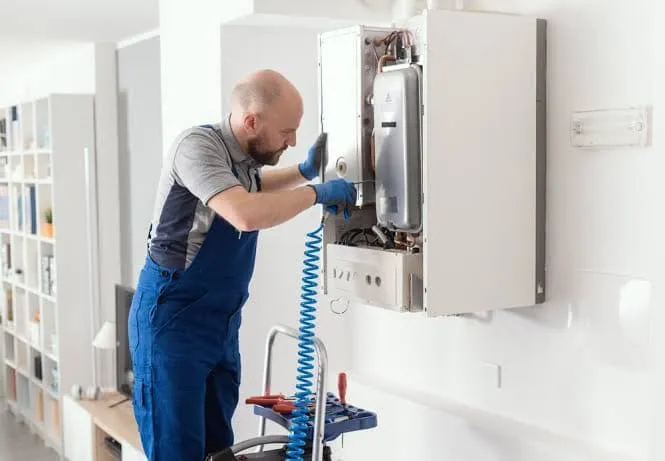
A reliable boiler is essential for maintaining a comfortable, warm and energy-efficient property, particularly during colder months. Whether you are replacing an outdated heating system, upgrading an inefficient boiler or installing central heating in a newly built property, choosing the right equipment can make a significant difference to your everyday comfort and household energy consumption. A modern boiler provides dependable heating, consistent hot water and improved control over indoor temperatures.
When homeowners search for New Boiler Installation near me, they are often looking for experienced heating professionals who can recommend suitable equipment, assess their existing heating arrangements and complete the installation safely. However, selecting a new boiler involves more than simply choosing a model. Factors such as property size, the number of bathrooms, hot water requirements, available space and heating demand all influence the most appropriate solution.
Understanding the installation process can help property owners make informed decisions, avoid unnecessary expenses and enjoy dependable heating for years. This guide explores the different boiler options, important installation considerations, energy efficiency, professional installation standards and ongoing maintenance requirements.
Understanding When You Need a New Boiler
Boilers are designed to provide heating and hot water consistently, but their performance can gradually decline as internal components experience wear and tear. Although regular servicing can extend a boiler's lifespan, there eventually comes a point when replacing the entire system becomes more practical than continuing with repairs.
Frequent Breakdowns and Increasing Repair Costs
Repeated boiler breakdowns can indicate that the system is approaching the end of its useful working life. Problems such as leaking components, unusual noises, inconsistent heating and frequent pressure drops may require professional attention.
Although individual repairs might initially appear affordable, repeated call-outs and replacement parts can become expensive. Therefore, comparing the long-term cost of repairs against the investment in a modern boiler can help homeowners determine the most economical decision.
Poor Heating Performance
Another indication that a replacement may be necessary is inconsistent heating throughout the property. Some radiators might remain cold, while others take considerably longer to reach the desired temperature.
These problems can sometimes be caused by circulation issues, trapped air or an incorrectly balanced heating system. Nevertheless, when an older boiler consistently struggles to meet household heating requirements, a professional assessment can establish whether replacement is advisable.
Rising Energy Consumption
An ageing boiler may consume more fuel than necessary to produce the required heat. Internal wear, outdated controls and inefficient operation can contribute to higher energy consumption.
Modern boilers generally incorporate improved combustion technology and more effective temperature controls. Consequently, upgrading an unsuitable or inefficient system may help reduce unnecessary energy use, depending on the property's heating requirements and the condition of the existing installation.
Different Types of Boilers Available for Modern Properties
Choosing the correct boiler is an important part of any heating upgrade. Different systems are designed for different property layouts, household sizes and hot water requirements.
Combi Boilers
Combination boilers, commonly called combi boilers, provide central heating and hot water directly from one compact unit. They heat water when required, removing the need for a separate hot water storage cylinder.
Their compact design makes them particularly suitable for smaller properties, flats and homes with limited storage space. Furthermore, homeowners can benefit from hot water without waiting for a storage cylinder to refill.
However, the available hot water flow rate can become a consideration in properties where several bathrooms or outlets operate simultaneously. Therefore, an installer should assess household demand before recommending this option.
System Boilers
System boilers incorporate several essential heating components within the boiler itself and work alongside a separate hot water storage cylinder.
They are often appropriate for medium-sized and larger properties with multiple bathrooms. Since hot water is stored in a cylinder, several outlets can receive hot water simultaneously, subject to the cylinder capacity and system design.
Nevertheless, homeowners need sufficient space for the storage cylinder. A professional installer can determine whether the property layout and household requirements make this arrangement suitable.
Regular Boilers
Regular boilers, sometimes known as conventional or heat-only boilers, generally operate with separate hot water cylinders and feed-and-expansion tanks.
These systems are commonly found in older properties with traditional central heating arrangements. They can be suitable for households with substantial hot water requirements or existing heating infrastructure that homeowners prefer to retain.
Although they require more installation space than combi boilers, they may provide a practical replacement option when upgrading an established conventional heating system.
Important Factors to Consider Before Installing a New Boiler
Selecting a boiler based solely on its advertised price or output rating can lead to unnecessary expenses and unsuitable heating performance. Instead, several practical considerations should influence the final decision.
Property Size and Heating Requirements
The size and layout of a property directly affect its heating requirements. A compact flat generally requires a different heating arrangement from a large detached house with several bedrooms and bathrooms.
Professional installers should consider the number of radiators, room dimensions, insulation quality, ceiling heights and the property's overall heat demand.
An appropriately sized boiler can provide effective heating without being unnecessarily powerful. Correct sizing also helps support efficient operation and suitable system performance.
Household Hot Water Demand
Hot water consumption is another important consideration. A household with one bathroom may have considerably different requirements from a family using several bathrooms throughout the day.
The number of occupants, frequency of simultaneous water use and preferred bathing arrangements can all influence the recommended boiler type.
Discussing these requirements before installation helps ensure that the selected equipment delivers adequate hot water without compromising everyday convenience.
Available Installation Space
Boiler dimensions and installation arrangements should also be considered. Some properties have limited cupboard space, while others can accommodate larger equipment and separate hot water cylinders.
Installers must assess accessibility, ventilation requirements where applicable, flue positioning and manufacturer installation instructions. These considerations help establish whether the proposed location is suitable and safe.
Future Heating Requirements
Homeowners should also think about their longer-term property requirements. For example, a household planning an extension, additional bathroom or significant renovation may eventually need a different heating arrangement.
Discussing possible future changes with a qualified heating professional can help prevent an unsuitable installation decision.
What to Expect During the Boiler Installation Process
Understanding the installation procedure helps homeowners prepare their property and know what to expect when professional heating engineers arrive.
Initial Property Assessment
The first stage involves examining the existing boiler, heating system, pipework and installation location. The engineer should discuss the household's heating and hot water requirements before recommending appropriate equipment.
They may also inspect radiators, controls, system pressure and existing components to identify any issues that could affect the proposed installation.
A detailed assessment provides the foundation for a suitable installation plan and helps identify additional work that might be necessary.
Selecting Suitable Equipment
Following the assessment, the installer can recommend an appropriate boiler based on the property's heating demand, available space and household budget.
Homeowners should receive clear information about the proposed equipment, its output, efficiency information, warranty conditions and expected installation work.
Comparing suitable options allows customers to understand what they are paying for rather than making decisions based entirely on the lowest quotation.
Removing the Existing Boiler
When replacing an old boiler, the engineer will safely disconnect and remove the existing equipment in accordance with relevant safety requirements.
The installation area should be prepared before the replacement unit is positioned. Depending on the condition of the existing system, additional work involving pipework, filters, valves or other components may be necessary.
Installing and Connecting the New Boiler
The replacement boiler is positioned and connected to the heating system, water supply, gas supply where applicable, condensate arrangements and electrical connections.
All work must follow the manufacturer's instructions and applicable building and safety regulations.
If homeowners are researching New Boiler Installation near me, they should prioritise qualified professionals who can explain the proposed work, provide transparent quotations and demonstrate the appropriate credentials for the installation being undertaken.
Testing and Commissioning
Once installation is complete, the engineer should carry out the necessary commissioning checks.
These checks may include inspecting connections, testing the system, confirming safe operation, checking controls and verifying that heating and hot water are functioning correctly.
Homeowners should also receive guidance on operating the boiler, adjusting heating controls, understanding pressure readings and arranging future servicing.
Improving Energy Efficiency with a Modern Heating System
Energy efficiency is an important consideration when replacing an existing boiler. Modern heating equipment can offer improved control and more efficient operation when correctly selected, installed and maintained.
Understanding Boiler Efficiency
Boiler efficiency describes how effectively a heating appliance converts fuel into useful heat. Modern condensing boilers recover additional heat from exhaust gases, helping reduce energy that would otherwise be lost.
However, actual household performance depends on several factors, including installation quality, system condition, heating controls and property insulation.
Choosing an efficient appliance is therefore only one part of creating an effective heating system.
Using Smart Heating Controls
Smart thermostats and programmable heating controls can help homeowners manage indoor temperatures more effectively.
Depending on the system, these controls allow users to establish heating schedules, adjust temperatures remotely and manage different heating zones.
For example, homeowners can reduce heating in rooms that are not regularly occupied rather than maintaining the same temperature throughout the property.
Improving Property Insulation
Even an efficient boiler cannot prevent unnecessary heat loss caused by poor insulation.
Loft insulation, suitable wall insulation, draught reduction and properly sealed windows can help retain warmth inside the property.
Combining an appropriately designed heating system with effective insulation can improve comfort and reduce avoidable energy consumption.
Why Professional Boiler Installation Matters
A boiler is a technical appliance involving gas, water, electricity and combustion processes. Consequently, installation requires appropriate training, experience and attention to safety.
Gas Safety and Professional Qualifications
In the UK, gas boiler installation and other gas work must be undertaken by appropriately qualified Gas Safe registered engineers. Customers should check the engineer's credentials and confirm that their registration covers the work being carried out.
Professional installers understand the relevant safety requirements, manufacturer's instructions and procedures needed to complete the work correctly.
This is particularly important because incorrect installation can create serious risks, including gas leaks, carbon monoxide exposure and equipment malfunction.
Compliance with Building Regulations
Boiler installations must comply with applicable UK building regulations and relevant technical requirements.
Depending on the work, this can involve requirements relating to ventilation, flues, condensate drainage, electrical connections and energy efficiency.
Customers should ask how the installation will be certified and what documentation they will receive after completion.
Manufacturer Warranties
Many manufacturers offer warranties subject to specific conditions. These may include installation by an appropriately qualified professional, registration within a specified period and regular servicing.
Understanding the warranty conditions before installation can help homeowners avoid problems with future claims.
How to Choose a Reliable Boiler Installation Company
Finding an experienced heating professional requires more than comparing prices. Homeowners should evaluate the quality, qualifications and transparency of the service being offered.
Check Qualifications and Experience
Always confirm that the engineer undertaking gas work holds the appropriate Gas Safe registration and qualifications.
It is also sensible to ask about previous installation experience, particularly if the property has an unusual heating arrangement or requires significant modifications.
Request a Detailed Quotation
A professional quotation should clearly explain the proposed boiler, installation labour, necessary materials and any additional work.
Homeowners should also understand whether the quotation includes removal of the old boiler, system cleaning, controls, commissioning and applicable certification.
Comparing detailed quotations makes it easier to identify differences in service quality and avoid unexpected costs.
Read Customer Reviews
Customer feedback can provide useful information about punctuality, communication, installation standards and aftercare.
Look for consistent feedback across different platforms rather than relying entirely on one positive review.
Pay attention to how companies respond to concerns and whether customers mention clear explanations, professional conduct and satisfactory installation outcomes.
Consider Aftercare and Maintenance Support
A reliable heating service should also provide information about ongoing maintenance and warranty requirements.
Regular servicing helps identify developing issues, supports safe operation and can maintain the performance of the appliance.
Homeowners should establish whether the installer offers servicing support or can recommend an appropriate maintenance arrangement.
Understanding the Cost of a New Boiler Installation
The overall installation cost depends on several factors, so there is no single price suitable for every property.
The boiler model, heating system type, installation complexity and additional materials can all affect the final quotation.
Factors Affecting Installation Costs
Replacing an existing combi boiler with a similar model may involve less work than converting a conventional heating system into a combi arrangement.
Additional expenses may arise from relocating the boiler, upgrading pipework, installing new controls or modifying the flue arrangement.
The condition of the existing heating system can also influence the amount of preparation required.
Looking Beyond the Initial Price
Although choosing an affordable quotation is understandable, homeowners should consider the complete value of the installation.
A suitable boiler, professional workmanship, clear warranty information and reliable aftercare can provide better long-term value than selecting equipment based entirely on its purchase price.
It is worth obtaining more than one detailed quotation and asking questions about any differences in the proposed work.
Maintaining Your Boiler After Installation
Once a new heating system has been installed, appropriate maintenance helps support its continued performance and safe operation.
Arrange Annual Boiler Servicing
An annual service by a suitably qualified professional allows important components and safety systems to be inspected.
The engineer may check combustion performance, inspect relevant connections, examine components and identify developing faults.
Regular servicing also helps homeowners meet manufacturer warranty conditions where annual servicing is required.
Monitor Boiler Pressure
Homeowners should understand the recommended pressure range specified in their boiler manual.
If the pressure repeatedly drops or rises outside the recommended range, professional investigation may be necessary.
Repeatedly topping up the system without identifying the underlying problem is not a suitable long-term solution.
Keep Heating Controls in Good Condition
Thermostats, timers and radiator valves should be checked periodically to ensure that the heating system responds correctly.
If certain radiators remain cold or rooms become unusually warm, the system may require balancing or professional attention.
Respond Promptly to Warning Signs
Unusual noises, water leaks, error messages and unexpected shutdowns should not be ignored.
If a carbon monoxide alarm activates, leave the property, seek appropriate emergency assistance and do not re-enter until it has been declared safe.
Never attempt to repair internal boiler components yourself.
Frequently Asked Questions About Boiler Installation
How Long Does a New Boiler Installation Take?
A straightforward replacement in the same location may often be completed within a day. However, changing the boiler type, relocating equipment or modifying existing pipework can require additional time.
The installer should provide an estimated schedule after assessing the property.
Which Boiler Is Best for a Small Property?
A combi boiler is often a practical option for smaller properties because it combines heating and hot water production in one unit. Nevertheless, the final recommendation should depend on hot water demand, water pressure and the property's existing heating arrangements.
Should I Replace My Boiler Before It Completely Stops Working?
Replacing an unreliable boiler before complete failure can help homeowners plan the work at a convenient time. It also reduces the possibility of being left without heating or hot water during colder weather.
A professional inspection can help determine whether replacement is more appropriate than continued repairs.
Does a New Boiler Need Annual Servicing?
Annual servicing is generally recommended to support safe operation and maintain performance. It may also be a condition of the manufacturer's warranty.
Always follow the manufacturer's maintenance instructions and arrange servicing with a suitably qualified professional.
Can I Change from a Regular Boiler to a Combi Boiler?
Yes, converting an existing heating arrangement to a combi system may be possible. However, suitability depends on water pressure, pipework, hot water demand and the property's layout.
A qualified installer should assess the existing system before recommending a conversion.
Conclusion
Installing a modern boiler is an important investment in the comfort, safety and long-term heating performance of your property. From selecting the appropriate boiler type to assessing household hot water requirements, understanding installation costs and maintaining the equipment, every stage deserves careful consideration.
Homeowners should prioritise correct boiler sizing, qualified installation, transparent quotations and proper commissioning rather than making decisions based solely on price. Furthermore, combining efficient heating equipment with suitable insulation, modern controls and regular servicing can help create a dependable heating arrangement.
For professional guidance, carefully planned installations and dependable heating solutions, Connect + Plumbing and Heating Ltd can help homeowners understand their available options and choose an appropriate heating system for their property. Making an informed decision today can provide reliable heating, consistent hot water and greater peace of mind for years to come.