Compressed Air Filter: The Key to Cleaner Air and Better Equipment Performance
By Alex John
82 Views
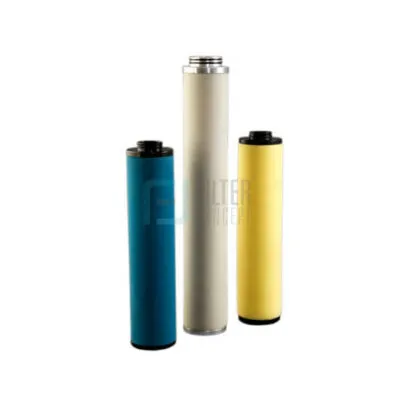
Compressed air is often called the fourth utility in industrial operations because it powers countless machines, tools, and production processes. However, the quality of compressed air is just as important as its availability. Contaminants such as dust, oil aerosols, moisture, and microorganisms can enter the compressed air system and negatively affect equipment performance and product quality. This is where a compressed air filter becomes essential.
What Is a Compressed Air Filter?
A compressed air filter is a device designed to remove unwanted contaminants from compressed air before it reaches pneumatic tools, machinery, or production lines. These filters help ensure that the air remains clean, dry, and suitable for the intended application.
Without proper filtration, contaminants can cause corrosion, block valves, damage equipment, and lead to costly downtime. Industries such as manufacturing, food processing, pharmaceuticals, automotive, and electronics rely heavily on compressed air filters to maintain operational efficiency.
Why Is a Compressed Air Filter Important?
The air drawn into a compressor contains various impurities. During compression, these contaminants become concentrated and can create serious problems within the system.
A high-quality compressed air filter provides several benefits:
- Protects pneumatic equipment from wear and damage
- Improves system reliability and efficiency
- Reduces maintenance costs
- Enhances product quality
- Prevents contamination in sensitive applications
- Extends the lifespan of downstream equipment
By removing harmful particles and moisture, a compressed air filter helps maintain a smooth and trouble-free operation.
Common Contaminants Found in Compressed Air
Understanding the contaminants present in compressed air highlights the importance of proper filtration.
1. Solid Particles
Dust, rust, dirt, and metal particles can enter the system through the intake air or from corrosion inside pipes.
2. Water Vapor and Moisture
Atmospheric air naturally contains moisture. During compression, this moisture can condense into liquid water, causing corrosion and equipment damage.
3. Oil Contamination
Lubricated compressors may introduce oil droplets and vapors into the air stream. These contaminants can affect production quality and damage sensitive equipment.
4. Microorganisms
Bacteria and other microorganisms may be present in compressed air systems, particularly in industries requiring high levels of cleanliness.
Types of Compressed Air Filters
Different filtration requirements call for different filter types.
Particulate Filters
These filters remove solid particles such as dust, dirt, rust, and debris. They are commonly used as the first stage of filtration.
Coalescing Filters
Coalescing filters capture fine oil aerosols and water droplets. Small droplets merge into larger ones, making them easier to remove from the air stream.
Activated Carbon Filters
These filters eliminate oil vapors, odors, and hydrocarbon contaminants. They are commonly used in applications requiring exceptionally clean air.
Sterile Filters
Sterile filters are designed to remove microorganisms and are often used in pharmaceutical, food, and beverage industries.
How a Compressed Air Filter Works
The operation of a compressed air filter depends on its design and filtration media. Generally, contaminated compressed air enters the filter housing and passes through a specialized filter element.
As the air flows through the media:
- Solid particles are trapped within the filter structure.
- Oil droplets and moisture are separated from the air stream.
- Collected contaminants are directed toward a drain system.
- Clean air exits the filter and continues through the compressed air network.
This filtration process ensures cleaner air reaches the point of use.
Choosing the Right Compressed Air Filter
Selecting the correct compressed air filter requires careful consideration of several factors.
Air Quality Requirements
Different industries have varying air purity standards. Determine the level of filtration needed based on your application.
Flow Rate
Choose a filter capable of handling the system's airflow demand without creating excessive pressure drop.
Operating Pressure
Ensure the filter is compatible with the system's operating pressure range.
Contaminant Type
Identify whether your primary concern is particles, moisture, oil, or a combination of contaminants.
Maintenance Requirements
Consider filter element replacement schedules and ease of maintenance to minimize downtime.
Maintenance Tips for Compressed Air Filters
Even the best compressed air filter requires regular maintenance to perform effectively.
- Inspect filter elements regularly.
- Replace elements according to manufacturer recommendations.
- Check differential pressure indicators.
- Drain accumulated water and oil from filter housings.
- Monitor system performance for signs of clogging or reduced airflow.
Routine maintenance helps maintain filtration efficiency and prevents unnecessary energy consumption.
Conclusion
A compressed air filter plays a vital role in maintaining the quality and reliability of compressed air systems. By removing particles, moisture, oil, and other contaminants, these filters protect equipment, improve productivity, and ensure consistent product quality. Whether used in manufacturing, food processing, pharmaceuticals, or automotive applications, investing in the right compressed air filtration solution can significantly reduce maintenance costs and extend equipment life. Regular inspection and proper maintenance will ensure your compressed air filter continues to deliver clean, efficient air for years to come.
Related Reading
Top 10 Hidden Secrets About Business & Finance You Need to Know
Welcome to our in-depth exploration of Business & Finance. In an era defined...
Why Business & Finance is Transforming the Global Industry Landscape
Welcome to our in-depth exploration of Business & Finance. In an era defined...