Compare Junk Removal Options Before Clearing Your Space
By Jack Hong
2 Views
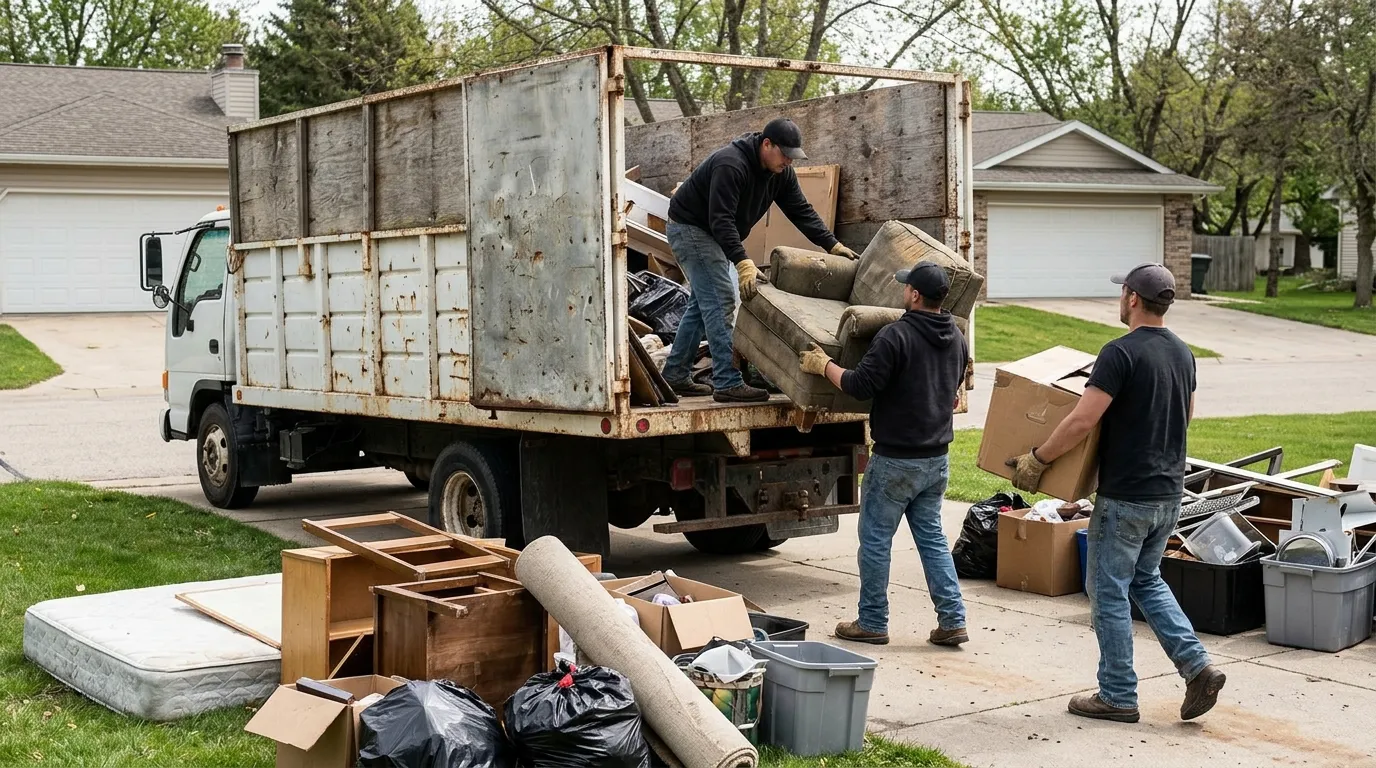
Some projects need only a few items collected, while others require a full property clearout. You might handle small loads yourself, arrange a pickup, or hire a removal service. Understanding these options helps you choose a practical method for your space.
Junk Removal can help clear unwanted items from homes, offices, and other properties. The right option depends on the amount of clutter, the type of items, available time, and your ability to move heavy objects. Comparing your choices first can make the process safer and easier to manage.
Key Takeaways
-
Match your removal method to the volume and type of unwanted items.
-
Residential projects often involve furniture, appliances, boxes, and household clutter.
-
Businesses may need a planned approach to remove office items and general waste.
-
Check accepted materials before arranging a pickup or hiring a service.
-
Separate reusable, recyclable, and disposable items when suitable facilities exist.
What Are the Main Junk Removal Options?
The main options include doing the work yourself, arranging unwanted item pickup, hiring a removal company, or renting a container for a larger project. Each method suits different needs. Your choice should reflect the load size, available help, access to the property, and local disposal rules.
For a small clearout, you may be able to move items yourself. Larger projects can involve heavy furniture, several rooms, or bulky objects that need extra care. Before choosing a method, estimate the amount of material and identify anything that requires special handling.
1. Handle Small Clearouts Yourself
A do-it-yourself clearout can work well when you have a few manageable items. It may suit a spare room, a small storage area, or a limited household decluttering task. You can sort belongings at your own pace and decide what to keep, donate, recycle, or discard.
However, consider transport, lifting, and disposal before starting. A vehicle may not have enough room for bulky furniture or large loads. You should also check local rules and facility requirements before taking unwanted items to a disposal site.
2. Arrange Unwanted Item Pickup
Unwanted item pickup can be useful when you have specific objects ready for collection. This option may suit an old sofa, a mattress, or other bulky household items. Availability and accepted materials depend on the provider or local collection program.
Confirm the collection terms before setting a date. Ask which items are accepted, where they must be placed, and whether you need to prepare them. If the load includes several large objects, check whether one pickup can cover everything.
3. Hire a Junk Removal Service
A professional removal service may suit projects involving many items or difficult lifting. Providers may collect furniture, boxes, and other accepted materials from residential or commercial properties. The exact service depends on the company, so confirm the work included before booking.
This option can reduce the physical work you need to manage. It may also help when you cannot move heavy objects safely or lack suitable transport. Describe the items clearly when requesting a quote, and ask about access, labor, disposal, and any exclusions.
4. Consider a Dumpster for Larger Projects
A dumpster may suit a renovation, major cleanout, or project that creates waste over several days. It gives you a place to load accepted materials as the work progresses. You must choose a suitable size and confirm what the rental provider allows.
Consider where the container can sit and how easily you can reach it. Check placement rules, rental periods, loading limits, and restricted materials before arranging delivery. A dumpster may be less practical when you have only a few items or cannot load the contents yourself.
Junk Removal Options Compared
|
Removal option |
Best suited for |
Main consideration |
|
Do-it-yourself removal |
Small, manageable loads |
Transport and physical effort |
|
Scheduled pickup |
A few specific items |
Collection rules and availability |
|
Professional removal service |
Multiple rooms or bulky items |
Service scope and quoted terms |
|
Dumpster rental |
Larger projects over several days |
Container size and loading |
|
Donation or recycling |
Suitable reusable materials |
Acceptance rules and item condition |
No single option suits every property. Compare the workload, accepted materials, access needs, and disposal arrangements before making a decision.
How to Choose the Right Junk Removal Method
The most practical choice starts with a clear picture of the job. A few boxes require a different plan from a garage full of furniture. Think about the items, their weight, the time available, and who can safely help.
Use these steps to prepare:
-
List the unwanted items. Record furniture, appliances, boxes, debris, and other materials that need removal.
-
Estimate the load size. Decide whether the items fit into a small collection or require a larger clearout.
-
Check special requirements. Identify materials that may need separate handling or cannot enter ordinary waste streams.
-
Compare available services. Ask about accepted items, access, labor, scheduling, and disposal arrangements.
-
Prepare the property. Keep walkways clear and separate items that should remain.
-
Confirm the plan. Make sure the chosen method suits the load before moving or booking anything.
These steps can prevent avoidable delays. They also help you explain the project clearly when contacting a removal provider.
Residential Junk Hauling for Household Clearouts
Residential junk hauling can support cleanouts in living rooms, bedrooms, garages, basements, attics, and storage areas. Common items may include old furniture, unused household goods, boxes, and general clutter. Always confirm that the chosen provider accepts the specific items you need removed.
Start by sorting belongings into clear groups. Keep important documents, valuables, and personal items separate from anything being discarded. If you need to remove unwanted items from home but cannot handle heavy lifting, ask about collection from the relevant rooms and whether indoor removal is included.
Clearing Bulky Household Items
Large items can be difficult to move through narrow hallways or down stairs. Measure tight spaces and check the safest route before moving furniture. Do not attempt a lift that exceeds your ability or requires an unsafe position.
If the item cannot be moved safely, consider a service that confirms it can handle the object and access conditions. Explain stairs, narrow doors, and other obstacles when arranging collection.
Sorting Household Clutter
Household clutter removal becomes easier when each item has a clear destination. Set aside belongings to keep, donate, recycle, or discard. Check donation rules and recycling requirements before transporting anything.
Avoid mixing restricted materials with ordinary household waste. Batteries, chemicals, electronics, and other special items may require dedicated collection or approved facilities. Local rules vary, so verify the correct route before disposal.
Commercial Junk Removal for Business Properties
Commercial junk removal can help businesses clear unwanted office furniture, storage items, packaging, and other accepted materials. The needs of a retail unit may differ from those of an office, workshop, or warehouse. Identify the items and the work area before choosing a collection method.
Plan the clearout around normal business activity where possible. Keep entrances, emergency exits, and walkways accessible throughout the job. If staff need to continue working, agree on a collection area and schedule that limits disruption.
Arranging Pickup for Business Items
When you arrange junk pickup for businesses, prepare a clear inventory and explain the property layout. Include details about loading access, stairs, elevators, parking, and any restrictions on collection times. These details help the provider assess the job accurately.
Check whether the items include confidential records, electronic equipment, or materials that need special disposal. Remove sensitive information using suitable procedures before releasing equipment. Do not assume a general removal service provides secure data destruction.
What to Check Before Booking a Removal Service
A little preparation can help you compare providers fairly. Ask each company the same questions so you understand what its offer includes. A low initial quote may not cover every task or material in your load.
Check the following points before confirming:
-
Accepted items: Ask whether the provider handles your specific furniture, appliances, debris, or other materials.
-
Labor: Confirm whether workers carry items from inside the property or collect them from a designated area.
-
Access: Explain stairs, narrow paths, parking limits, and other possible obstacles.
-
Disposal: Ask how collected items are handled and whether recycling or donation is available.
-
Scheduling: Confirm the collection window and any preparation needed before arrival.
-
Written terms: Review the quote, included work, exclusions, and possible additional charges.
Do not assume every provider offers the same service. Clear answers make it easier to compare options based on the actual job rather than price alone.
Prepare Your Property for a Complete Clearout
A good preparation plan helps protect items you want to keep and reduces confusion during removal. Begin with the room or area that needs the most attention. Mark retained belongings clearly and keep them away from the collection zone.
Create a safe path from the work area to the exit. Move loose objects that could cause trips, and keep children and pets away from active lifting areas. For heavy or awkward items, arrange suitable help instead of attempting risky moves alone.
If the project involves several rooms, work in manageable stages. Complete one area before spreading items throughout the property. This approach helps you track progress and identify what still needs collection.
Common Junk Removal Mistakes to Avoid
Rushing a cleanout can lead to damaged belongings, unsafe lifting, and missed disposal requirements. Avoid starting before you understand the size of the job. A brief plan can help you choose the right equipment, transport, or collection service.
Watch for these common mistakes:
-
Booking a pickup before confirming accepted materials.
-
Underestimating the size or weight of the load.
-
Mixing recyclable items with waste without checking local rules.
-
Leaving valuable documents or personal belongings in the removal area.
-
Blocking hallways, driveways, or emergency exits with items.
-
Assuming every quote includes labor, transportation, and all disposal needs.
If you discover unexpected materials during the clearout, pause and check how they should be handled. Do not place chemicals, batteries, or other restricted items in a dumpster unless the provider expressly permits them.
Conclusion
Choosing between junk removal options starts with understanding your project. Small loads, scheduled pickups, professional services, and dumpsters each suit different situations. Consider the amount of material, the physical work involved, property access, and disposal requirements before deciding.
A clear plan helps you prepare your space without unnecessary effort. Sort items, protect belongings you want to keep, and confirm the service details before work begins. With the right method, you can manage a household or business clearout more safely and efficiently.
FAQ
What is the best option for removing household junk?
The best option depends on the amount and type of material. Small loads may suit a do-it-yourself trip or scheduled pickup, while larger clearouts may need professional help or a dumpster.
How can I clear household clutter without heavy lifting?
Arrange a pickup or ask a removal provider whether indoor collection is available. Explain the item sizes, stairs, and access limits before booking, and avoid moving objects beyond your ability.
Is a junk removal service suitable for businesses?
Yes, some providers handle commercial clearouts. Confirm that the service accepts your items, suits your property access, and can work within your business schedule.
Can I put all unwanted items in a dumpster?
No. Dumpster providers may restrict hazardous materials, electronics, tires, appliances, or other items. Check the rental terms and local disposal rules before loading the container.
How should I prepare furniture for removal?
Remove personal belongings and loose objects first. Check the route out of the property, protect nearby items, and ask the provider whether disassembly or special handling is required.
What should I ask before booking junk removal?
Ask about accepted items, labor, access, scheduling, disposal practices, and the full quoted terms. Share an accurate list of items so the provider can assess your needs.
Related Reading
Top 10 Hidden Secrets About Business & Finance You Need to Know
Welcome to our in-depth exploration of Business & Finance. In an era defined...
Why Business & Finance is Transforming the Global Industry Landscape
Welcome to our in-depth exploration of Business & Finance. In an era defined...