Common Liver Diseases in Children That May Require a Liver Transplant
105 Views
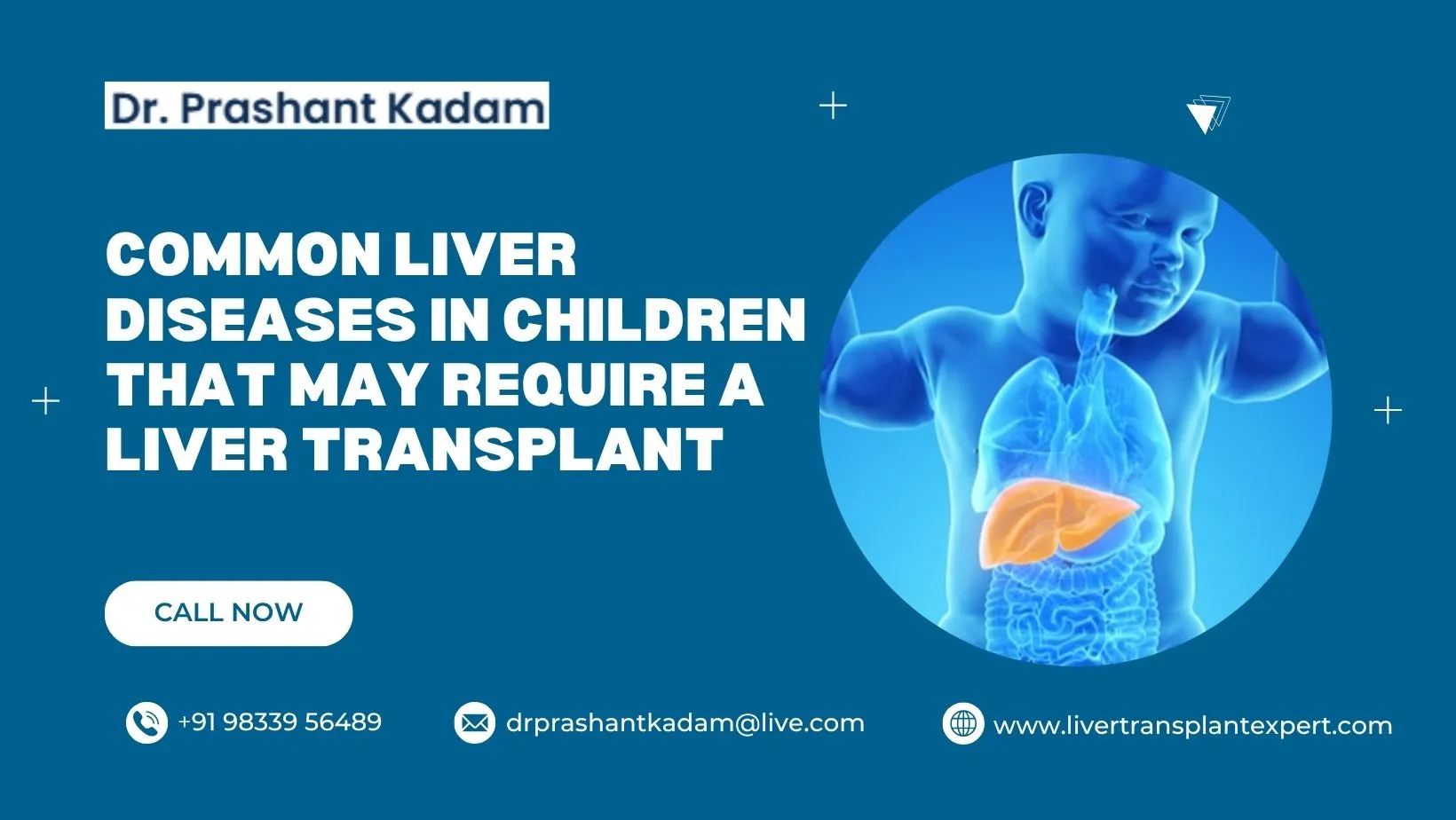
Liver disease in children can range from mild conditions that respond well to treatment to severe disorders that lead to permanent liver damage. When the liver can no longer perform its essential functions, a paediatric liver transplant may become the most effective treatment option. Early diagnosis and timely medical intervention play a vital role in improving outcomes and helping children lead healthier lives.
Understanding the Need for a Paediatric Liver Transplant
The liver performs several important functions, including filtering toxins, producing proteins, supporting digestion, and regulating metabolism. Certain liver diseases can progressively damage the liver, leading to liver failure. In such cases, a paediatric liver transplant may be recommended to replace the damaged liver with a healthy donor liver.
Advances in transplant medicine, surgical techniques, and post-transplant care have significantly improved survival rates and long-term outcomes for children undergoing liver transplantation.
Common Liver Diseases That May Require a Liver Transplant
Biliary Atresia
Biliary atresia is one of the most common reasons children require a liver transplant. This condition occurs when the bile ducts outside the liver are absent or blocked, preventing bile from draining properly.
Without treatment, bile accumulates in the liver and causes progressive scarring. Although an early Kasai procedure may help restore bile flow, many children eventually develop liver failure and require a transplant.
Acute Liver Failure
Acute liver failure is a serious condition in which the liver suddenly loses its ability to function. Viral infections, certain medications, metabolic disorders, and autoimmune conditions can contribute to acute liver failure in children.
When liver function deteriorates rapidly and does not improve with medical treatment, a liver transplant may be necessary to save the child's life.
Metabolic Liver Disorders
Several inherited metabolic disorders can severely affect liver function. These conditions interfere with the body's ability to process nutrients and remove harmful substances.
Examples include:
- Wilson disease
- Tyrosinemia
- Glycogen storage diseases
- Alpha-1 antitrypsin deficiency
For many children with advanced metabolic liver disease, transplantation offers the best chance for long-term health and improved quality of life.
Autoimmune Liver Disease
Autoimmune hepatitis occurs when the immune system mistakenly attacks healthy liver tissue. Persistent inflammation can gradually lead to fibrosis, cirrhosis, and liver failure.
While medications often control the disease, some children develop severe liver damage despite treatment and may require a transplant.
Progressive Familial Intrahepatic Cholestasis (PFIC)
PFIC is a rare genetic disorder that affects bile flow within the liver. Children often experience severe itching, poor growth, and progressive liver damage.
As the disease advances, liver transplantation may become the most effective treatment option.
Signs That a Child May Need Specialist Evaluation
Parents should seek medical attention if a child develops symptoms such as:
Persistent Jaundice
Yellowing of the skin and eyes that does not resolve may indicate an underlying liver disorder.
Poor Growth and Weight Gain
Chronic liver disease can affect nutrition and overall development.
Abdominal Swelling
Fluid accumulation in the abdomen may suggest advanced liver disease.
Severe Fatigue and Weakness
Reduced liver function can impact energy levels and overall well-being.
Frequent Bleeding or Bruising
Liver disease may interfere with the production of clotting factors, increasing the risk of bleeding.
Paediatric Liver Transplant in India
Over the past decade, Paediatric Liver Transplant in India has become increasingly accessible due to advancements in medical infrastructure, experienced transplant teams, and comprehensive post-operative care programs. Several specialised transplant centres now offer advanced diagnostic evaluation, living donor transplantation, and long-term follow-up services for children with complex liver diseases.
India has emerged as a recognised destination for liver transplantation, providing treatment options that meet internationally accepted standards of care.
Choosing the Right Transplant Specialist
Successful transplant outcomes depend on multiple factors, including early diagnosis, timely referral, surgical expertise, and multidisciplinary care. Families often seek guidance from the best liver transplant doctor in india when evaluating treatment options for complex paediatric liver conditions.
Experienced liver transplant specialists work closely with hepatologists, paediatric intensivists, nutritionists, and transplant coordinators to ensure comprehensive care before and after surgery.
Among the recognised names in hepatobiliary and transplant surgery, dr prashant kadam is known for expertise in liver transplantation and advanced hepatopancreatobiliary procedures, contributing to the growing field of liver transplant care in India.
Conclusion
Several childhood liver diseases can progress to liver failure despite medical treatment. Conditions such as biliary atresia, acute liver failure, autoimmune hepatitis, PFIC, and metabolic liver disorders are among the most common reasons children may require a paediatric liver transplant. Early diagnosis, expert medical care, and timely transplantation can significantly improve long-term outcomes, helping children achieve healthier and more active lives.