Common Immigration Medical Exam Mistakes and How to Avoid Them
By Gourav Singh
17 Views
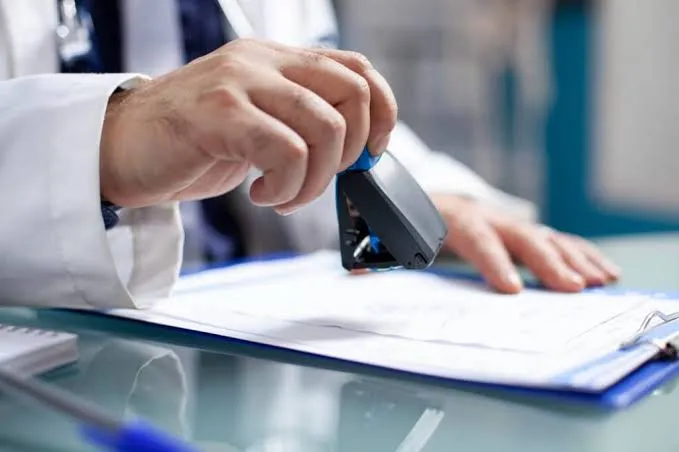
An immigration medical examination is an important requirement for many people seeking permanent residence in the United States. Although the process is manageable for most applicants, missing documents, scheduling problems, and misunderstandings about the paperwork can create avoidable complications.
One way to prepare is to understand the civil surgeon USCIS designation and why it matters. Only an appropriately designated physician can generally conduct the immigration medical examination in the United States and complete Form I-693. Verifying the provider before booking is a simple step that can help prevent problems later.
Mistake 1: Booking With a Doctor Who Is Not Authorized
One of the most important things to check is whether the physician has the required USCIS designation. A regular family doctor or specialist cannot automatically complete the immigration medical examination simply because they are licensed to practice medicine.
Before scheduling, use the official USCIS civil surgeon locator and confirm the physician’s current status with the clinic.
This check helps ensure that the examination and its associated paperwork are completed by an authorized provider.
Mistake 2: Forgetting Vaccination Records
Vaccination documentation is an important part of the immigration medical examination. Applicants who arrive without available records may need additional review or testing to establish their vaccination history.
Gather any official immunization records before the appointment. If your records are incomplete, tell the clinic in advance and ask what documentation you should bring.
The physician will review your history against the applicable requirements and explain whether any further steps are needed.
Mistake 3: Assuming the Exam Will Be Completed in One Visit
Some applicants expect to receive their completed paperwork immediately after the physical examination. However, laboratory results, additional testing, or vaccination requirements can make follow-up appointments necessary.
When booking, ask the clinic how long the process typically takes and whether any tests are completed through an outside laboratory.
Schedule the appointment with enough time to accommodate potential follow-up. This is especially important when you are planning to submit an adjustment of status application.
Mistake 4: Using Outdated Forms or Instructions
Immigration procedures can change, and old articles or downloaded forms may not reflect the latest requirements.
Before the appointment, review the current Form I-693 instructions on the official USCIS website. Confirm which edition applies and ask the clinic if you need to complete any sections beforehand.
Do not rely entirely on information from friends or applicants who completed their examinations several years ago. Their filing circumstances may have been different.
Mistake 5: Signing the Form Incorrectly
Form I-693 has specific instructions about completing and signing its sections. Applicants should read the directions carefully and follow the physician’s guidance about when to sign.
Signing too early or leaving required information incomplete can create unnecessary paperwork issues.
If you are unsure about a section, ask the clinic before making changes. Avoid guessing or altering information without understanding the instructions.
Mistake 6: Opening the Sealed Envelope
After the examination is finalized, the physician generally provides Form I-693 in a sealed envelope when required for submission. Applicants should not open, damage, or alter this envelope.
USCIS instructions state that an opened or altered envelope may be rejected. Keep the envelope safe and submit it according to the instructions for your immigration application.
Retain any separate personal copy provided by the clinic for your records.
Mistake 7: Ignoring the Filing Timeline
The medical examination should be planned around the applicant’s immigration filing requirements. Under the policy introduced on December 2, 2024, many applicants filing Form I-485 must submit Form I-693 at the same time.
However, applicants should verify the current rules for their specific category before filing. Do not assume that every case follows identical instructions.
Book early enough to allow time for the examination, testing, and any necessary follow-up. Waiting until the last few days can add pressure and make scheduling more difficult.
Mistake 8: Failing to Ask About Total Costs
The cost of an immigration medical exam can vary. The initial appointment fee may not cover every laboratory test, vaccination, or follow-up visit.
Ask the clinic for a clear explanation of expected charges before booking. Find out which services are included and whether additional fees may apply based on your medical history or testing requirements.
Understanding the potential cost in advance can help you plan your budget and avoid surprises.
A Practical Checklist Before Your Appointment
Use this checklist to prepare:
-
Verify the physician’s current USCIS designation.
-
Confirm your appointment and the clinic’s instructions.
-
Bring a valid photo ID.
-
Gather vaccination records and relevant medical documents.
-
Prepare a list of current medications.
-
Ask about testing, follow-up visits, and fees.
-
Review the current Form I-693 instructions.
-
Allow sufficient time for results and final paperwork.
-
Keep the completed medical envelope sealed when required.
Conclusion
Most immigration medical exam complications can be reduced through careful preparation and clear communication with the clinic. Confirming the physician’s authorization, bringing relevant records, understanding the costs, and following the current paperwork instructions can make the process more manageable.
Because immigration requirements may change, use official USCIS guidance as your primary reference and consult a qualified immigration attorney for advice about your individual application. A well-planned examination helps you complete this part of the process with fewer avoidable mistakes.