Common Cricket Bat Problems and Their Solutions
31 Views
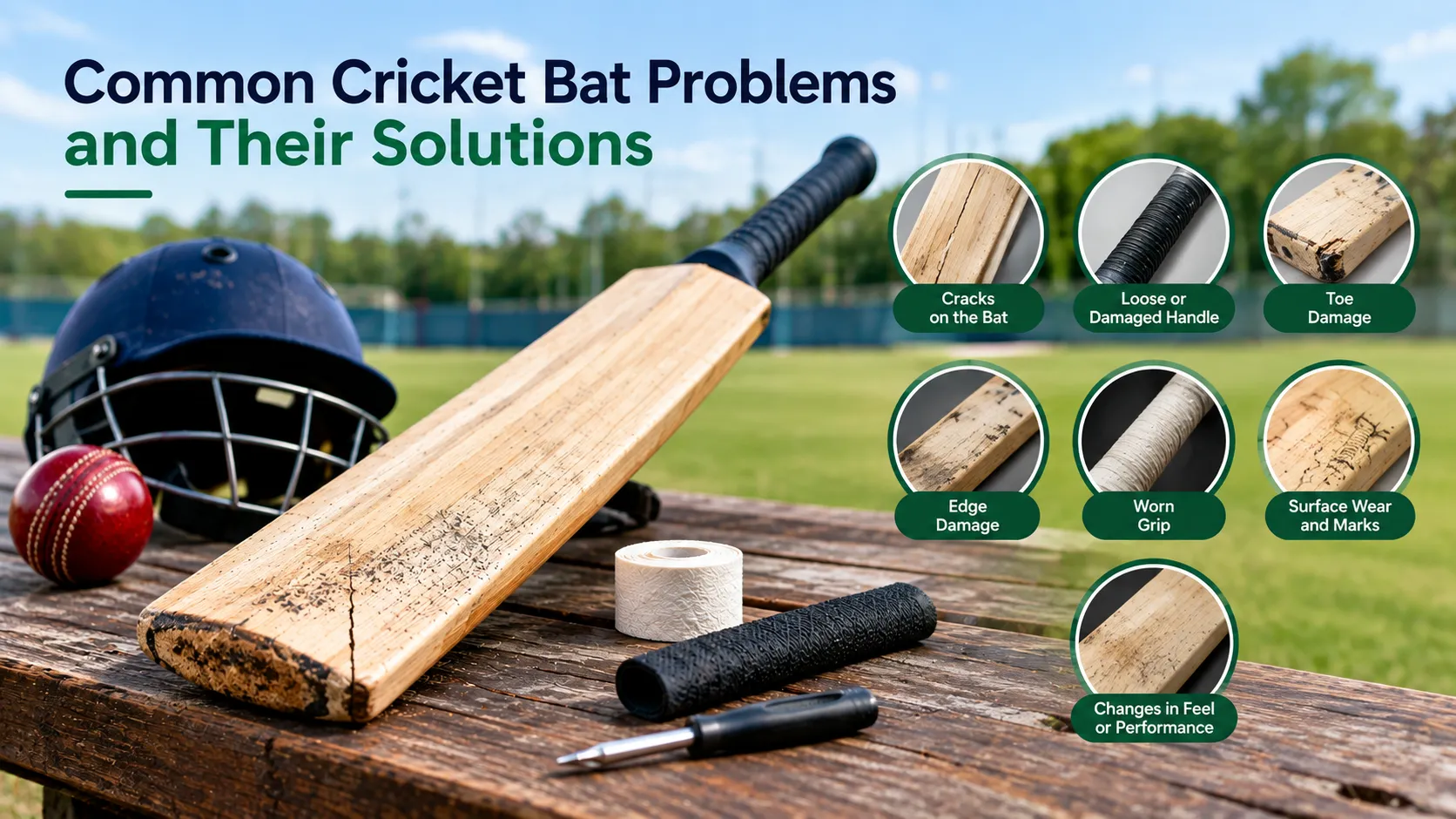
A cricket bat goes through a lot during regular practice and matches. Repeated impact from the ball, contact with the ground, moisture, and general wear can cause different problems over time. Some issues are minor and easy to manage, while others may need professional attention.
Knowing the common problems can help players take action at the right time. It can also prevent small issues from becoming more serious and help extend the useful life of the equipment.
Cracks on the Bat
Cracks are one of the most common issues players may notice after regular use. They can appear along the edges, near the toe, or on other parts of the blade. Small surface cracks may not immediately affect play, but they should still be checked regularly.
If a crack becomes larger or deeper, continuing to use the bat can increase the damage. It is better to stop using it and have the affected area inspected.
Minor cracks may sometimes be repaired, depending on their size and location. A professional inspection can help determine whether repair is suitable or whether replacement should be considered.
Loose or Damaged Handle
The handle absorbs a significant amount of vibration and impact during batting. Over time, it can become loose or damaged. Players may notice unusual movement, vibration, or a change in how the equipment feels while playing.
A loose handle should not be ignored. Continuing to play with a damaged handle can affect control and may make the problem worse.
The right solution depends on the condition of the handle. In some cases, repair may be possible, while more serious damage may require further work or replacement.
Toe Damage
The toe is another area that can experience damage. Repeated contact with the ground, moisture, or poor storage conditions can contribute to cracks or other problems around the lower part of the blade.
Players should regularly check the toe for visible cracks, swelling, or separation. Early attention can help prevent further damage.
Minor toe damage may be repairable. Keeping the equipment dry and avoiding unnecessary contact between the toe and hard or wet surfaces can also help reduce future problems.
Edge Damage
The edges can develop marks, dents, or cracks when the ball repeatedly makes contact away from the middle of the blade. This is particularly noticeable after extended use.
Not every mark means there is a serious problem. However, a growing crack or significant damage along the edge should be inspected before the equipment is used again.
Protective measures and regular checks can help players notice changes early and deal with them before they become larger issues.
Worn Grip
The grip is one of the simplest parts to replace, but it still plays an important role in comfort and control. Regular use can make a grip thin, slippery, loose, or damaged.
A worn grip can make it harder to maintain a comfortable hold, especially during longer practice sessions or matches.
Replacing the grip when it becomes worn can provide a more secure feel. Players can also choose a grip based on their preferred level of comfort and control.
Surface Wear and Marks
After regular use, it is normal to see ball marks, scratches, and other signs of wear. These do not always mean that the equipment needs repair or replacement.
The important thing is to identify the difference between normal surface wear and structural damage. Players should look for cracks, loose areas, or changes in the shape of the blade rather than focusing only on cosmetic marks.
Keeping the equipment clean and dry and storing it properly can help maintain its condition.
Changes in Feel or Performance
Sometimes a player may notice that a familiar cricket bat does not feel the same as it did earlier. The balance, pickup, or overall feel may change after prolonged use or damage.
This does not automatically mean the equipment has reached the end of its life. However, a noticeable change should be investigated, especially if it happens along with vibration, cracks, or other visible issues.
A proper inspection can help identify whether the change is caused by damage or normal wear.
When Should You Get a Bat Checked?
Players should consider getting their equipment inspected when they notice:
- A crack that is becoming larger
- A loose or damaged handle
- Significant toe damage
- Cracks along the edge
- A loose or worn grip
- Unusual vibration during use
- A noticeable change in balance or feel
Not every problem requires major repair. The type, location, and severity of the damage should be considered before deciding what to do.
For players who need professional help, cricket bat repair services can be considered for assessing damage and identifying suitable repair options.
Repair or Replacement?
The decision between repair and replacement depends on the condition of the equipment. Minor damage may be repairable, particularly when the rest of the blade remains in good condition.
On the other hand, extensive cracks, serious structural damage, or an older and heavily damaged piece of equipment may make replacement a more practical option.
Getting the damage assessed before making a decision can help players avoid replacing equipment unnecessarily. It can also prevent them from continuing to use something that may no longer be suitable for regular play.
How to Prevent Common Problems
Good care can reduce the chances of avoidable damage. Store the equipment in a dry place and keep it away from excessive moisture. Avoid using it for anything other than batting, and do not repeatedly hit the toe against the ground.
Regular inspection is also useful. Checking the edges, toe, handle, grip, and blade after regular use can help identify small problems early.
Proper preparation and maintenance also matter. Following the care instructions provided for your equipment can help maintain its condition and playing feel for longer.
Final Thoughts
Most cricket bat problems develop gradually through regular use, impact, and poor storage or care. Cracks, handle issues, toe damage, edge damage, and worn grips are some of the common concerns players may face.
The key is to identify problems early and understand their severity. Minor issues may be repairable, while serious structural damage may require replacement. Regular checks and proper care can help players get more use from their equipment while avoiding unnecessary damage.