Common Causes of Mold Growth in Miami Beach Homes (and How to Prevent It)
24 Views
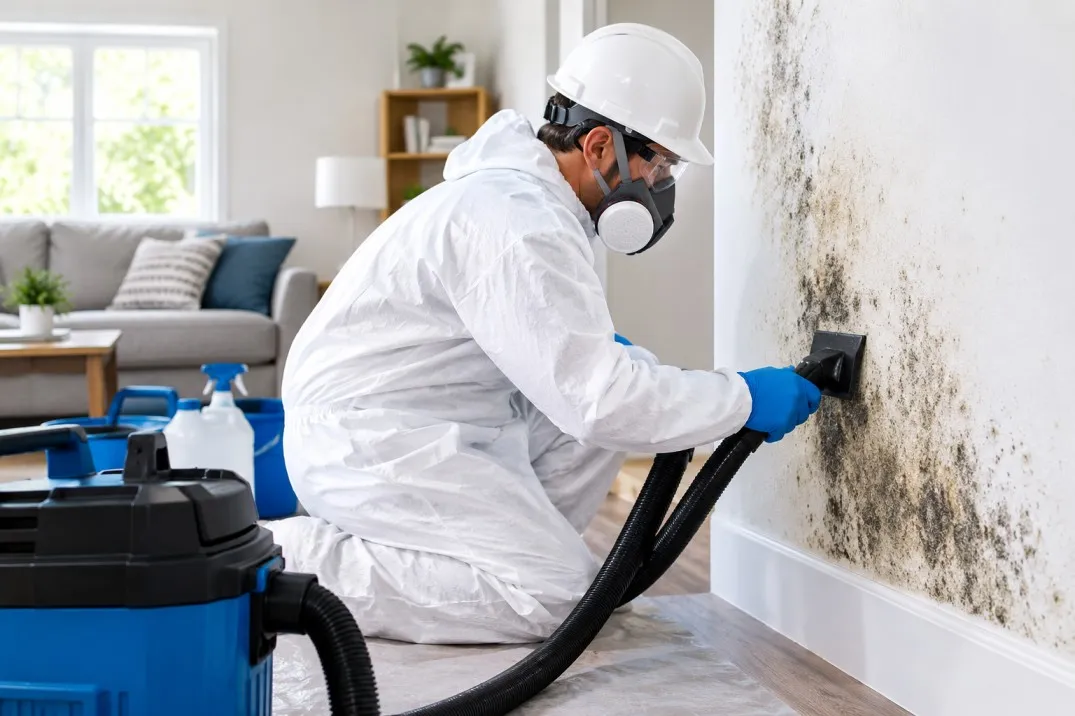
Miami Beach is known for sunshine, ocean views, and warm breezes. Those same conditions also make it one of the easiest places in the country for mold to take hold. Mold growth in Miami Beach homes is a year-round concern for houses, condos, and rental properties alike, not just a problem after a big storm.
This guide covers the most common causes of mold in Miami Beach, the warning signs to watch for, and practical steps to keep your home dry and healthy.
Why Miami Beach Homes Are Prone to Mold
Mold needs three things to grow: moisture, a food source, and a moderate temperature. Miami Beach supplies all three. Drywall, wood, carpet, and even dust are food for mold, and the barrier-island climate stays warm and humid almost all year.
Once a surface gets wet, mold can begin growing within 24 to 48 hours. That's why small moisture problems in South Florida can turn into serious ones so quickly.
1. High Humidity and Coastal Air
The biggest driver is humidity. Outdoor humidity in Miami Beach often sits well above 60%, and mold thrives above that level. Salt air and sea breezes carry that moisture into your home every time a door or window opens.
The EPA recommends keeping indoor humidity between 30% and 50%. In Miami Beach, that takes deliberate effort:
- Keep windows closed on humid days and rely on air conditioning.
- Use a hygrometer (about $10-15) to monitor indoor humidity.
- Run a dehumidifier in damp areas like closets, laundry rooms, and storage spaces.
Ocean air doesn't directly cause mold, but the moisture it carries gives mold the conditions it needs.
2. Roof, Plumbing, and Window Leaks
Leaks are among the most common causes of serious mold problems, and they're often hidden. A slow roof leak, a small crack in a pipe, or a failing window seal can keep the material behind your walls damp for weeks or months before you notice anything.
Older Miami Beach buildings are especially vulnerable. Aging plumbing, worn roofing, and deferred maintenance create plenty of opportunities for moisture to get in.
Watch for:
- Brown or yellow stains on ceilings and walls
- Bubbling or peeling paint
- Warped baseboards or flooring
- A persistent musty smell with no visible source
Fix any leak within 24 to 48 hours, and make sure affected materials are dried completely, not just patched over.
3. Air Conditioning Problems
In Miami Beach your AC runs almost constantly, and that makes it both your best defense and a potential source of trouble.
- Clogged condensate drain lines can back up and leak water into walls, ceilings, or the air handler closet.
- Dirty coils and filters reduce dehumidification and can harbor mold themselves.
- Oversized AC units cool the air quickly and shut off before removing enough humidity, leaving the space cold but damp.
- Closed-off rooms with no airflow can stay humid even when the rest of the home is comfortable.
Annual AC maintenance, regular filter changes, and clearing drain lines go a long way toward preventing AC-related mold.
4. Hurricane, Storm, and Flood Damage
Heavy rain, wind-driven water, storm surge, and king tide flooding are all part of life on the Beach. Even when damage looks minor, wet drywall, insulation, carpet, and furniture can start growing mold quickly if they aren't dried out right away.
After any water intrusion:
- Remove standing water as soon as it's safe.
- Run fans and dehumidifiers to dry the space.
- Discard soaked porous materials like carpet padding and ceiling tiles.
- Check inside walls and under flooring for trapped moisture.
If the area stays wet for more than a couple of days, mold is likely. Professional Mold Remediation Miami Beach services can assess hidden moisture and remove contaminated materials safely.
5. Condo-Specific Moisture Issues
Many Miami Beach residents live in condos, which bring their own risks. Shared walls, plumbing risers, and common-area systems mean a leak in a neighboring unit can affect yours, sometimes without you knowing.
Other condo-related factors include:
- Limited access to building HVAC and plumbing systems
- Units left closed up during seasonal vacancies, with no air circulation
- Balcony doors and windows with worn seals
If you own a seasonal or rental unit, keep the AC running at a steady setting (many owners use around 78°F or a humidity-controlled setting) and have someone check on the property regularly.
6. Everyday Household Moisture
Not every mold problem starts with a disaster. In a humid climate, ordinary daily activities add up:
- Hot showers without an exhaust fan
- Cooking without ventilation
- Drying laundry indoors
- Wet towels left in bathrooms
- Furniture pushed tight against exterior walls
- Overwatered indoor plants
Bathrooms, kitchens, closets, and laundry rooms are the most common spots. Use exhaust fans during and after showers, leave space between furniture and walls, and don't let damp items sit.
Signs You May Have a Mold Problem
Mold isn't always visible. Common signs include:
- A musty, earthy odor
- Black, green, white, or gray spots on walls, ceilings, or grout
- Water stains or discoloration
- Peeling or bubbling paint and wallpaper
- Allergy-like symptoms such as sneezing, coughing, or itchy eyes that improve when you leave home
Mildew is a surface-level type of mold that often looks like a powdery or fuzzy patch on damp surfaces. It's usually easier to clean, but it's still a sign of excess moisture that needs attention.
How to Prevent Mold in Your Miami Beach Home
Prevention comes down to controlling moisture. These habits make the biggest difference:
- Keep humidity between 30% and 50% using AC and a dehumidifier.
- Run your AC consistently, even when you're away.
- Fix leaks immediately and dry water damage within 24-48 hours.
- Use exhaust fans in bathrooms and kitchens.
- Service your AC annually and clean condensate lines.
- Improve airflow by keeping interior doors open and avoiding overcrowded closets.
- Inspect regularly under sinks, around windows, and near AC units.
When to Call a Professional
Small spots of surface mold can sometimes be cleaned with detergent and water. But professional help is the safer choice when:
- Mold covers more than roughly 10 square feet (the EPA's general guideline)
- Mold keeps returning after cleaning
- You suspect mold inside walls, ceilings, or HVAC ductwork
- The mold followed flooding or a long-term leak
- Someone in the home has asthma, allergies, or a weakened immune system
A qualified mold specialist will find the moisture source, contain the affected area, remove contaminated materials, and help prevent regrowth. Simply wiping away visible mold without fixing the cause almost always leads to it coming back.
South Florida's climate means this isn't limited to one city. Homeowners just north and west of Miami Beach face the same challenges, and many rely on local experts for mold removal Davie FL when moisture problems get out of hand.
Final Thoughts
Mold growth in Miami Beach homes is common, but it isn't inevitable. Humidity, leaks, AC issues, storm damage, and everyday moisture are the main culprits, and each one can be managed with consistent habits and quick action. Control moisture, address leaks early, and keep your AC working properly, and you'll protect both your home and your family's health.
If you're dealing with a mold problem you can't fully resolve on your own, don't wait. Early professional help is almost always faster and less expensive than repairing the damage mold leaves behind.
Related Reading
Expert Insights: Navigating the Complex World of Home Improvement
Welcome to our in-depth exploration of Home Improvement. In an era defined by ra...
Why Home Improvement is Transforming the Global Industry Landscape
Welcome to our in-depth exploration of Home Improvement. In an era defined by ra...