Commercial Battery System: Benefits & Buying Guide
By sunray power
17 Views
Commercial Battery System: A Complete Guide for Businesses
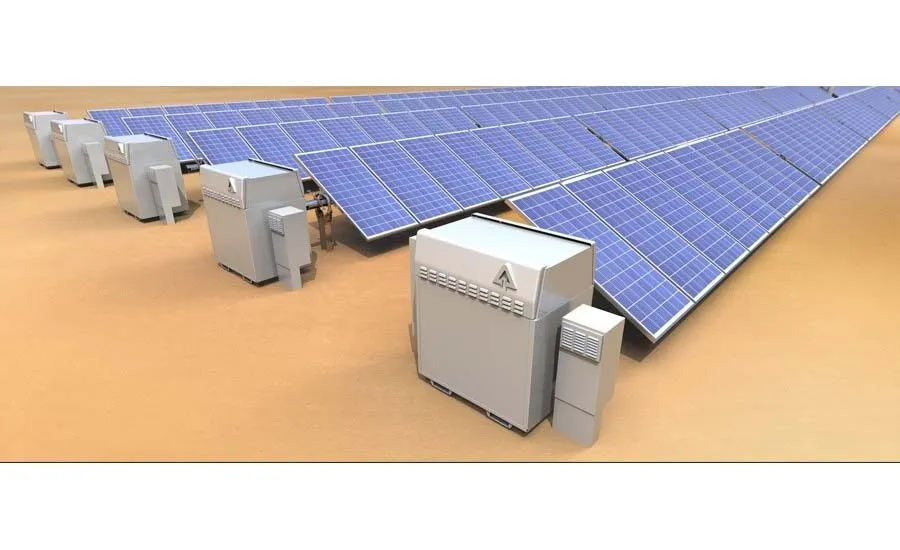
A commercial battery system can help businesses store electricity and use it when it is needed most. For offices, warehouses, factories, medical centres, retail businesses and other commercial properties, battery storage can provide greater control over energy use. A battery can store excess electricity generated by solar panels or electricity from the grid, allowing businesses to use stored energy during periods of higher demand or when solar generation is low.
What Is a Commercial Battery System?
A commercial battery system is an energy storage solution designed for businesses and commercial properties. It stores electrical energy and makes that energy available when required.
When connected to a solar system, the battery can store excess solar electricity generated during the day. The stored energy can then be used later, such as during the evening or during periods when the solar panels are producing less electricity.
A commercial battery can also be used as part of a broader energy management system. Depending on the system design and electricity arrangement, stored energy may help businesses manage peak demand, shift energy use and reduce dependence on grid electricity. Sunray Power describes commercial battery storage as a solution for storing excess power from solar or the grid.
How Does a Commercial Battery System Work?
The basic process is straightforward.
1. Energy is generated or supplied: Solar panels generate electricity during the day, or electricity is supplied from the grid.
2. Excess energy is stored: Electricity that is not immediately required can be directed to the battery.
3. Energy is stored: The battery holds the electricity until it is required.
4. Stored energy is discharged: The business can use the stored electricity when solar production is lower or when energy demand increases.
5. Energy use is monitored: Modern battery systems can provide monitoring and energy-management features to help businesses understand their electricity consumption.
This makes battery storage particularly useful for businesses that have different electricity requirements throughout the day.
Why Should a Business Consider a Commercial Battery System?
Reduce Dependence on Grid Electricity
A battery allows a business to store electricity rather than using it immediately or exporting excess solar power. The stored electricity can be used later when required.
This can help reduce the amount of electricity purchased from the grid, depending on the business's energy consumption and system configuration.
Use More Solar Energy
Businesses with solar panels may generate more electricity during the middle of the day than they can use immediately.
Instead of exporting all excess electricity, a battery can store some of that energy for later use. This can help businesses make greater use of the electricity their solar system generates.
Manage Peak Demand
Some businesses experience periods when electricity consumption rises significantly. Battery storage can be used to discharge electricity during selected high-demand periods.
This approach is commonly known as peak shaving. It can help businesses manage electricity demand and potentially reduce demand-related charges, depending on their electricity tariff.
Provide Backup Power
Power interruptions can affect business operations, particularly in industries where electrical equipment needs to remain operational.
A suitably configured battery system can provide backup power for selected loads or business operations during an outage. The level of backup available depends on the system design, battery capacity and required electrical loads.
Businesses that require continuous power should discuss backup requirements with their installer before choosing a battery.
Improve Energy Management
Battery storage gives businesses another way to control when electricity is used.
For example, energy can be stored during periods of high solar production and used later when electricity demand increases. This can help businesses better coordinate energy generation and consumption.
What Size Commercial Battery Does a Business Need?
There is no single battery size that suits every business.
The required capacity depends on factors such as:
- Daily electricity consumption
- Peak electricity demand
- Solar system size
- Business operating hours
- Evening and overnight energy use
- Required backup loads
- Available installation space
- Electricity tariff
- Future energy requirements
A business with relatively low electricity consumption may require a smaller battery, while a manufacturing facility or large commercial property may need considerably more storage capacity.
The battery should therefore be sized according to actual electricity consumption rather than selecting a capacity simply because it is larger.
What Are the Main Types of Commercial Batteries?
Different battery technologies are available for energy storage applications.
Lithium-Ion Batteries
Lithium-ion batteries are widely used for energy storage because they offer high energy density and efficient charging and discharging. They are commonly used in modern battery storage systems.
Lead-Acid Batteries
Lead-acid batteries have been used for many years in backup and energy-storage applications. They can be considered for certain applications, although their characteristics differ from newer battery technologies.
Nickel-Based Batteries
Nickel-based batteries can operate across a range of conditions and have applications where specific performance characteristics are required.
Flow Batteries
Flow batteries use liquid electrolytes stored in tanks. Their storage capacity can be scaled through the size of the electrolyte storage system, making them suitable for certain larger-scale applications.
The most suitable battery technology depends on the business's energy requirements, available space, budget and intended use.
What Is Peak Shaving and Load Shifting?
Two common applications of commercial battery storage are peak shaving and load shifting.
Peak Shaving
Peak shaving involves using stored battery energy during periods of high electricity demand. This can reduce the amount of power a business draws from the grid during those periods.
Load Shifting
Load shifting means moving electricity consumption from one period to another.
For example, a battery can store electricity when solar generation is high and discharge it later when the business needs more electricity. This can help businesses make better use of their available solar energy.
These strategies can be particularly useful for businesses with predictable daily electricity consumption.
Can a Commercial Battery Work With Solar Panels?
Yes. Commercial batteries can be integrated with solar systems.
During periods of strong sunlight, solar panels can generate electricity for the business while excess generation can be directed to the battery. Later, the stored electricity can be used when solar production decreases.
Sunray Power's commercial battery system page identifies both AC-coupled and DC-coupled configurations as commercial battery solutions.
The appropriate configuration depends on the existing solar system, inverter setup and battery requirements.
Commercial Battery System vs Residential Battery System
The basic principle of battery storage is similar for both commercial and residential applications: electricity is stored and used later.
However, the energy requirements can be very different.
A Residential battery system is generally designed around household electricity consumption, while a commercial system is designed for the larger and often more variable energy demands of a business.
Commercial installations may also be used for applications such as peak shaving, load shifting, backup power for critical equipment and broader energy management.
The correct battery solution should therefore be selected according to the property's electricity usage rather than simply choosing a system based on its capacity.
What Should Businesses Check Before Installing a Battery?
Before purchasing a commercial battery, businesses should review several important factors.
Energy Consumption
Look at electricity bills and identify when the business uses the most energy.
Solar Generation
If solar panels are already installed, review how much excess electricity is generated during the day.
Battery Capacity
Choose a capacity that matches the amount of energy the business actually needs to store.
Power Output
Battery capacity and power output are different. A battery may store a certain amount of energy but still have limits on how much power it can deliver at one time.
Backup Requirements
If backup power is important, identify which equipment and circuits need to remain operational during an outage.
Installation Location
The available space, electrical infrastructure and installation conditions should be assessed before selecting the battery.
Warranty and Support
Review the battery warranty, system monitoring options and available installation and maintenance support.
Is a Commercial Battery System Worth Considering?
A commercial battery system can be useful for businesses that want to store excess solar energy, manage electricity demand or maintain selected operations during power interruptions.
However, the financial and operational benefits vary between businesses. Electricity tariffs, consumption patterns, solar generation, battery capacity and installation costs all influence the outcome.
For this reason, businesses should assess their actual electricity usage before deciding whether battery storage is suitable.
Conclusion
A commercial battery system gives businesses another way to manage electricity by storing energy and making it available when needed. It can work alongside solar panels to store excess daytime generation, support peak-demand management and provide backup power when the system is designed for that purpose.
Choosing the right battery requires more than comparing storage capacity. Businesses should consider their electricity consumption, solar generation, peak demand, backup requirements, available space and future energy needs.
Related Reading
Top 10 Hidden Secrets About Business & Finance You Need to Know
Welcome to our in-depth exploration of Business & Finance. In an era defined...
Why Business & Finance is Transforming the Global Industry Landscape
Welcome to our in-depth exploration of Business & Finance. In an era defined...