Cold Storage Racking Systems: Key Challenges & High-Density Solutions
By Rajeev Lath
76 Views
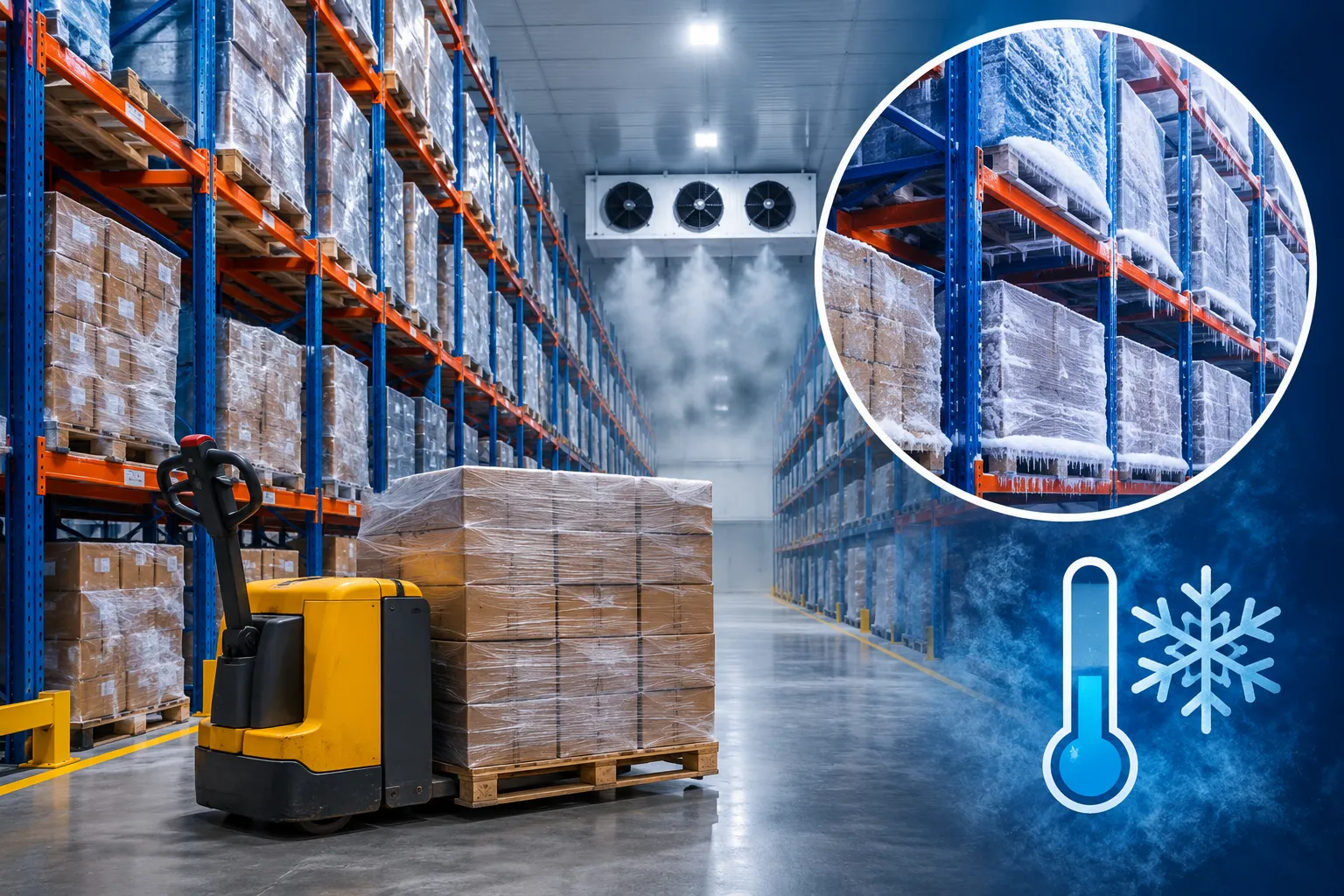
Running a cold storage facility comes with a problem most warehouses never have to think about, every square foot of space costs money to keep cold, all day, every day. That changes how racking gets chosen. Cold storage racks in India aren't just about holding weight anymore, they're about making sure the coldest, most expensive real estate in the building isn't sitting there half empty.
Why Cold Storage Racking Isn't Just Standard Racking With a Jacket
Temperature swings, moisture, and constant freeze thaw cycles put a different kind of stress on steel than a regular warehouse ever sees. Condensation forms on surfaces that dip below the dew point, and over time that leads to corrosion if the racking isn't built with the right coating or steel grade to begin with. Standard racking dropped into a cold room without accounting for this tends to show wear far sooner than it should.
There's also the human factor. Workers in cold environments move slower, spend less time actively working the aisles, and equipment like forklifts behaves differently in the cold. Racking layouts need wider consideration for this, not just tighter product placement.
The Real Challenge: Space Costs Money Here
In an ambient warehouse, unused vertical space is a missed opportunity. In cold storage, it's an ongoing expense, since you're paying to refrigerate air whether it's storing product or not. This is exactly why High Density Storage System layouts matter so much more in cold environments than in standard warehousing.
Every cubic meter that isn't storing product is still costing money on the electricity bill, which changes the entire calculation around how tightly a facility should be racked.
Drive-In Racking for Maximum Density
Drive-in racking is one of the most common answers to this problem. Forklifts drive directly into the racking lane to place or retrieve pallets, which removes the need for individual aisles between every row. The tradeoff is that it works on a last in, first out basis, so it fits products that don't need strict rotation as well as it fits ones that do.
Mobile Racking Takes It Further
For facilities that need both density and better stock rotation, mobile racking systems mounted on tracks let entire rows shift sideways to open just one working aisle at a time. Since there's no need to keep multiple fixed aisles open across the whole facility, usable storage capacity can jump significantly compared to standard racking in the same footprint.
Facilities investing in a proper Mobile Racking System India setup often see this pay for itself faster in cold storage than in ambient warehousing, purely because the cost of unused space is so much higher when it's refrigerated.
Automation Is Becoming More Common Too
Labor in cold environments is harder to staff and retain, which has pushed more facilities toward automated retrieval systems. ASRS racks in Indore and similar automated setups reduce how much time workers actually spend inside the cold zone, since retrieval happens mechanically rather than requiring someone to walk or drive into freezing conditions repeatedly through a shift.
This isn't just a comfort factor either, it directly affects labor costs and how consistently a facility can staff cold zone shifts.
Getting the Racking Material Right
Not all steel handles cold and moisture the same way. Galvanized coatings and specific paint systems resist corrosion far better in condensation heavy environments than standard finishes do. This becomes much more significant in places where there is an alternating cycle of extreme cold and thawing, because such temperature changes only speed up the wear of the material that has not been suitably insulated.
To skip this process for the sake of immediate savings is one of the most frequent errors made when designing cold storage places, which often results in future difficulties after several years of work.
Layout Planning Specific to Cold Storage
A few things matter more in cold storage layout planning than in a typical warehouse.
- Door and dock placement needs to minimize how long cold air escapes during loading
- Aisle widths should account for equipment that handles differently in low temperatures
- Racking near entry points often needs extra corrosion protection due to temperature cycling
- Layouts in high densities should provide enough space for inspection and maintenance.
Having all these issues sorted out during the design phase prevents future expensive changes when the facility will be already working, and any modification requires stopping a cold zone.
Balancing Density With Practical Access
It's tempting to maximize density everywhere, but a facility that's too tightly packed can slow down operations enough to offset the space savings. The better approach usually mixes high density zones for slower moving, bulk stored goods with more accessible racking for products that need to move quickly. Getting this balance right depends heavily on actually understanding a facility's product mix rather than applying one layout everywhere.
Frequently Asked Questions
Does cold storage racking need different materials than standard warehouse racking?
Yes, generally. Galvanized coatings or corrosion resistant finishes hold up far better against condensation and temperature cycling than standard racking finishes do.
Is drive-in racking always the right choice for cold storage?
Not always. It works well for bulk, less frequently rotated goods, but products needing strict first in first out rotation are usually better suited to mobile or selective racking instead.
How much more storage can mobile racking add compared to standard aisles?
It varies by layout, but removing the need for multiple fixed aisles often adds a meaningful jump in usable capacity within the same footprint.
Does automation make sense for smaller cold storage facilities?
It depends on scale and labor costs. Larger facilities tend to see faster payback, but even smaller operations sometimes benefit if staffing cold zones is a consistent challenge.
What's the most overlooked factor in cold storage racking design?
Door and dock placement. Poor planning here leads to constant cold air loss during loading, which quietly drives up energy costs over time.
Related Reading
Top 10 Hidden Secrets About Business & Finance You Need to Know
Welcome to our in-depth exploration of Business & Finance. In an era defined...
Why Business & Finance is Transforming the Global Industry Landscape
Welcome to our in-depth exploration of Business & Finance. In an era defined...