CNC Drilling Machine: Precision, Speed, and Efficiency in Modern Manufacturing
By Ruchi Kumari
20 Views
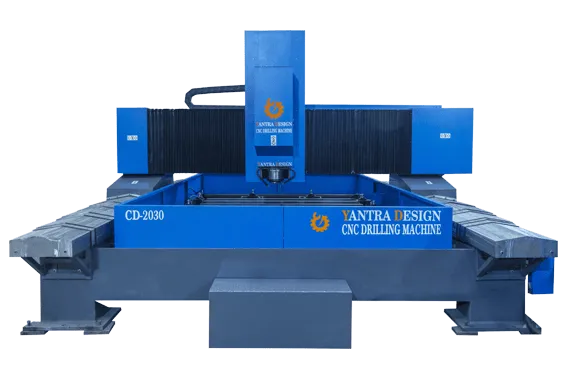
A CNC drilling machine is an advanced machining system designed to produce accurate holes in metal, plastic, and other industrial materials. Unlike conventional drilling equipment, CNC machines use computer-controlled instructions to automate drilling operations. This allows manufacturers to achieve consistent hole positioning, repeatable results, and better production efficiency across different workpieces.
How Does a CNC Drilling Machine Work?
A CNC drilling machine operates according to a programmed set of machining instructions. The operator or programmer creates a digital program that defines important parameters such as hole location, drilling depth, tool movement, and cutting speed. The CNC controller then guides the machine's axes and drilling tools according to these instructions.
Depending on the machine configuration, multiple holes can be drilled in a single setup. This reduces manual measurement and repositioning, which can improve accuracy and shorten production time.
Key Advantages of CNC Drilling Machines
Main benefits of using a CNC drilling machine is its ability to maintain precision throughout repetitive production runs. Once the program is properly configured, the machine can reproduce the same drilling pattern across numerous components.
- High drilling accuracy: Computer-controlled movements help maintain precise hole positions and depths.
- Consistent production: Automated cycles provide repeatable results from one component to another.
- Reduced setup errors: Digital programs minimize dependence on manual marking and measurement.
- Improved productivity: Multiple drilling operations can be completed efficiently with less operator intervention.
- Flexible machining: Programs can be adjusted for different hole patterns, dimensions, and workpiece requirements.
Where Are CNC Drilling Machines Used?
CNC drilling machines are widely used in industries that require accurate and repeatable hole-making operations. They are commonly found in structural steel fabrication, automotive manufacturing, construction equipment, engineering workshops, and general metalworking.
For example, structural steel manufacturers may use specialized CNC drilling systems to create accurately positioned holes in beams and plates before assembly. In high-volume manufacturing, CNC drilling can also help maintain consistent production quality while reducing repetitive manual operations.
Conclusion
Selecting a CNC drilling machine depends on factors such as the material being machined, workpiece dimensions, required hole diameter, drilling depth, production volume, and desired level of automation. Manufacturers should also consider spindle speed, machine capacity, number of axes, tooling options, and software compatibility.
The right machine should match both current production requirements and future manufacturing needs. With the appropriate configuration, CNC drilling technology can provide a practical combination of precision, repeatability, and production efficiency for modern machining operations.
Related Reading
Top 10 Hidden Secrets About Business & Finance You Need to Know
Welcome to our in-depth exploration of Business & Finance. In an era defined...
Why Business & Finance is Transforming the Global Industry Landscape
Welcome to our in-depth exploration of Business & Finance. In an era defined...