Clothing Brands Are Creating Stronger Customer Connections Through Better Product Packaging
By Leo Martin
4 Views
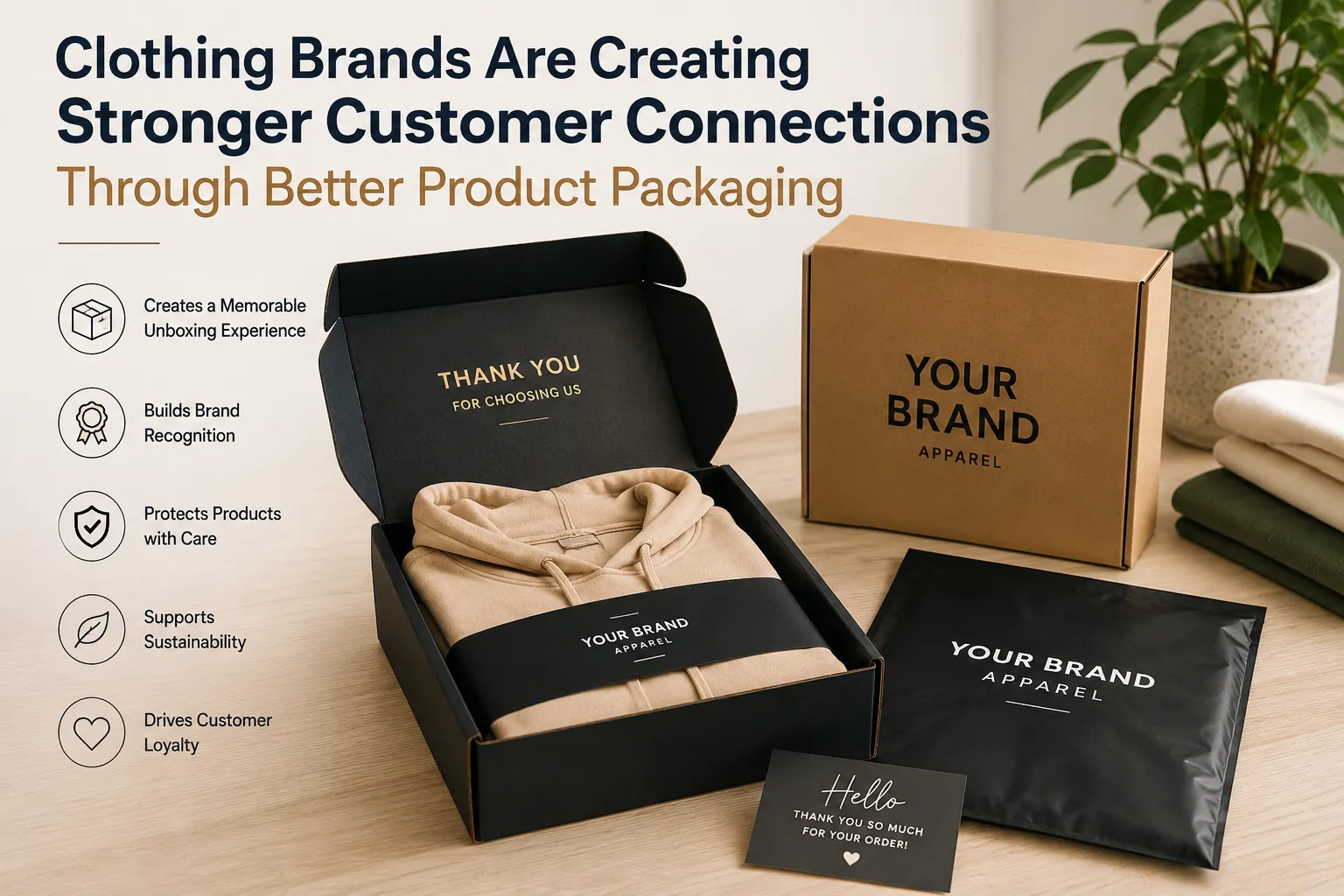
The clothing industry is becoming more competitive, and brands are looking for new ways to create meaningful relationships with customers. Product quality, pricing and style still matter, but shoppers are also paying attention to how their purchases are presented.
Packaging is now part of the customer journey. A carefully packed garment can feel more valuable, create excitement and make a brand easier to remember. This is particularly important for online clothing businesses, where customers may have no physical contact with the brand until their order arrives.
As expectations continue to change, fashion companies are treating packaging as an opportunity to improve the customer experience rather than simply a way to protect clothing.
Why Clothing Packaging Matters
A customer may spend considerable time choosing a garment online. When the order arrives, the package becomes the first physical representation of that decision.
If the clothing is neatly presented and protected, the customer can feel that the business has taken care with their order. A damaged or poorly packed item can create a very different impression.
Good packaging should therefore provide protection while also making the product feel special.
Creating a Stronger First Impression
First impressions can influence how customers remember a clothing brand.
A simple package with a clean design can communicate professionalism. Colours, typography and finishing details can also reflect the personality of the business.
A minimalist fashion brand might use a simple design with neutral tones, while a streetwear company could choose bold graphics and stronger visual elements.
The important thing is consistency. Packaging should feel connected to the brand's website, clothing labels and wider marketing.
Packaging Can Build Brand Recognition
Customers are exposed to countless clothing brands every day. Distinctive packaging can help a business become more recognisable.
Using consistent visual elements across different orders makes it easier for customers to connect the package with the brand.
This is particularly useful for growing businesses. A customer who receives several orders over time should be able to recognise the company before opening the package.
Packaging can become a small but memorable part of the brand identity.
Making Online Orders Feel More Personal
Online shopping can sometimes feel less personal than visiting a physical store. Packaging gives e-commerce brands an opportunity to create a more human experience.
A short thank-you message, care instructions or thoughtful presentation can make customers feel appreciated.
The details do not need to be expensive. A simple, well-organised package can have a stronger impact than excessive decoration.
Brands should focus on making the experience feel genuine rather than trying to create unnecessary luxury.
Improving Clothing Protection
The main purpose of packaging is still to protect the product.
Clothing can be affected by moisture, dust, crushing and poor handling during delivery. Packaging should keep garments clean and presentable from the warehouse to the customer's home.
The right size is also important. Excess space can cause clothing to move around, while an overly tight package can create creases or damage.
Businesses should test their packaging during realistic delivery conditions before introducing it across their entire operation.
Using Packaging to Support Brand Style
Fashion brands often have a clear visual personality. Packaging should support this identity rather than work against it.
Printed apparel boxes can help clothing businesses create a consistent presentation using brand colours, graphics and other design elements.
For example, a premium fashion label may choose an elegant and minimal appearance, while a younger streetwear brand may use stronger visual designs.
The packaging should complement the clothing and make the customer experience feel connected from beginning to end.
Giving Different Products the Right Presentation
Clothing businesses often sell different products that require different packaging.
A lightweight T-shirt does not necessarily need the same structure as a thick jumper or hoodie. Larger garments may need more space and stronger protection.
Custom hoodie boxes can be designed around the size and presentation needs of heavier garments, helping businesses create a more suitable customer experience.
The key is to make sure the packaging is practical without becoming unnecessarily large.
The Unboxing Experience Is Becoming More Important
Customers increasingly share their purchases online. An attractive unboxing experience can therefore create additional visibility for a clothing brand.
The customer may photograph the package, record a video or mention the business in a social media post.
Brands should not design packaging purely for social media, but it is worth considering how the package looks when opened.
Neat product placement, clear branding and a simple opening process can make the experience more enjoyable.
Sustainability Is Changing Fashion Packaging
Sustainability is becoming increasingly important in the clothing industry.
Customers are more aware of packaging waste and may question brands that use excessive materials.
Fashion companies can respond by choosing suitable packaging sizes, reducing unnecessary layers and considering recyclable materials.
However, sustainability should not compromise product protection. The package still needs to keep clothing clean and safe throughout delivery.
The best solution balances environmental responsibility with practical performance.
Making Packaging Easy for Warehouse Teams
Customer experience begins inside the warehouse.
If packaging is difficult to assemble, close or store, staff may take longer to prepare orders. This can become a serious issue during seasonal sales or product launches.
Businesses should test packaging with warehouse employees and ask whether it is easy to handle.
A package that saves a few seconds per order can create significant efficiency improvements when hundreds of orders are processed.
Avoiding Common Packaging Mistakes
Clothing brands can make several mistakes when selecting packaging.
One common problem is choosing a package based entirely on appearance. A stylish box is not useful if it does not protect the garment.
Another mistake is using excessive packaging. Too many layers can increase costs, storage requirements and waste.
Businesses should also avoid copying competitors too closely. Packaging should help communicate what makes the brand different.
Testing samples before ordering large quantities can prevent these problems.
Customer Feedback Can Improve Packaging
Customers can provide valuable information about packaging performance.
Reviews may mention difficult opening, damaged products or excessive materials. These comments can help businesses identify areas for improvement.
Warehouse staff can also highlight practical issues that customers may never see.
Clothing brands should regularly review this feedback and look for repeated patterns. Small changes based on real customer experiences can improve satisfaction.
Packaging Can Encourage Repeat Purchases
A positive customer experience can influence future buying decisions.
When a customer receives clothing that is well protected and thoughtfully presented, they may develop greater confidence in the brand.
Packaging cannot replace product quality or good customer service, but it can support both.
Consistent presentation across multiple orders can help create familiarity and strengthen the relationship between the customer and the business.
Planning for Seasonal Demand
Fashion businesses often experience changes in demand during Christmas, summer sales, product launches and other seasonal periods.
Packaging requirements may increase quickly during these times. Running out of packaging can create delays and unnecessary pressure.
Businesses should review previous sales data and estimate future packaging needs before busy periods begin.
Good planning helps ensure that presentation remains consistent even when order volumes increase.
Technology Is Supporting Better Packaging Decisions
Digital design technology allows clothing brands to create and test packaging before committing to large production runs.
Businesses can develop digital models, check dimensions and review artwork before manufacturing.
Data can also help companies understand packaging costs, damage rates and customer feedback.
These tools make it easier to identify what works and what needs improvement.
The Future of Clothing Packaging
The future of clothing packaging is likely to focus on sustainability, personalisation and customer experience.
Fashion brands will continue searching for ways to make deliveries feel more memorable while keeping operations efficient.
Technology will also make it easier to test new designs and produce packaging for different product collections.
The strongest brands will be those that use packaging with a clear purpose rather than simply following every new trend.
Final Thoughts
Clothing packaging has become an important part of the modern customer journey. It can protect garments, strengthen brand identity and create a more memorable experience for shoppers.
The most effective approach combines practical protection with thoughtful presentation. When packaging reflects the brand and meets customer expectations, it can help turn an ordinary delivery into a positive experience that customers remember.
Over time, these small experiences can help clothing businesses build stronger customer relationships and encourage people to return.