Choosing the Right Trench Box for Your Jobsite
25 Views
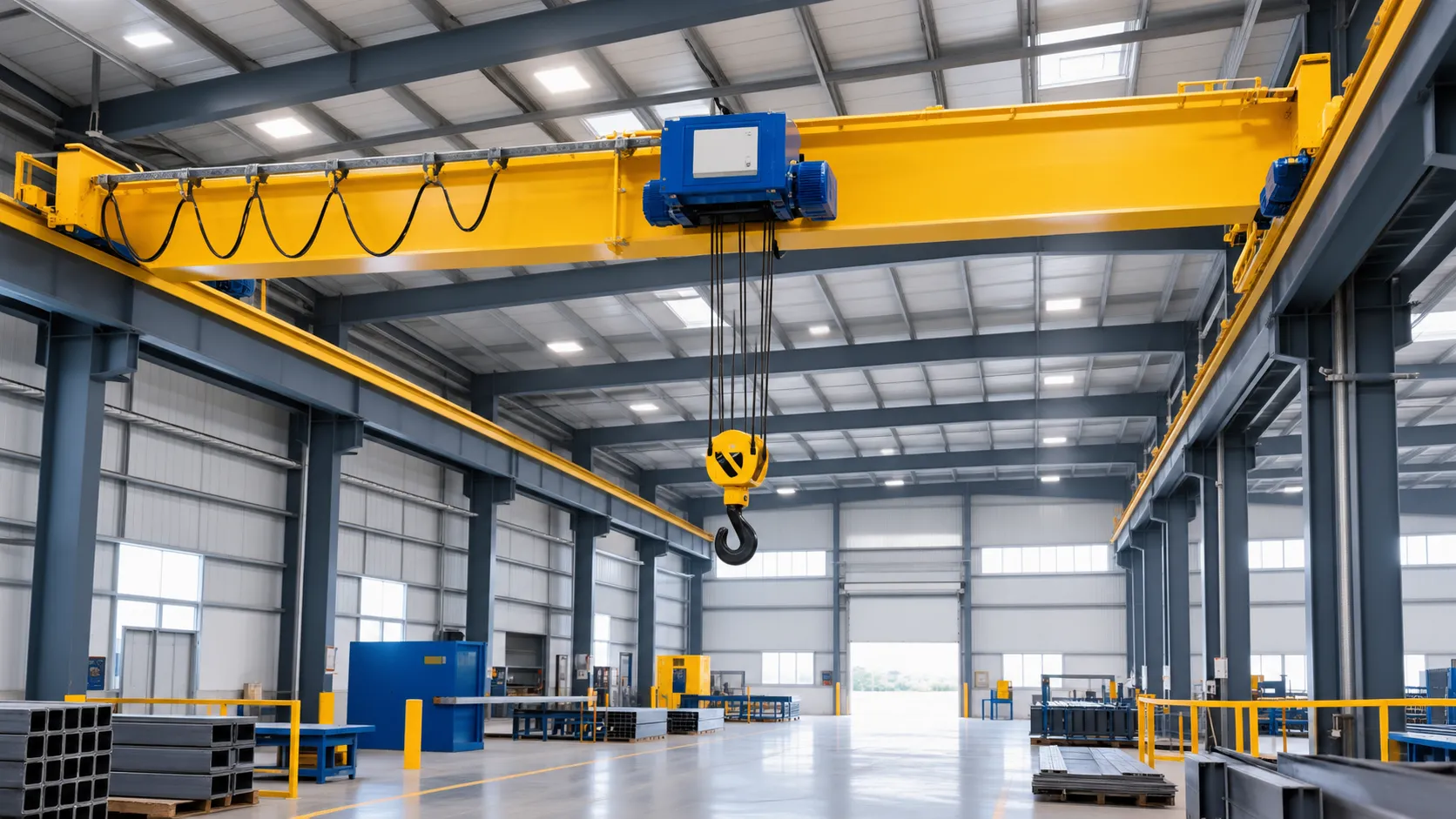
A construction site rarely goes exactly according to plan. Maybe the excavation is tighter than expected, another crew is working nearby, or the equipment you thought would fit suddenly doesn't. That's why choosing the right trench box before the work gets underway can save a lot of frustration later. The same practical thinking applies to other equipment, from overhead crane systems to heavy-duty plates used around active jobsites.
The Equipment Has to Fit the Work
Anyone who has spent time on a jobsite knows that “close enough” isn't always good enough.
A trench box needs to work with the dimensions of the excavation and the way the crew will actually be working inside it. The type of excavation, available space, depth, equipment being used, and site conditions all have a part in the decision.
North East Shoring offers several trench box options for different excavation applications, including utility, mainline, specialty, and manhole work. There are also aluminum systems for situations where lighter equipment makes more sense.
That variety can be useful, particularly when you're dealing with projects that don't all look alike.
Instead of asking, “Which box do we normally use?” it makes more sense to ask, “What does this particular job need?”
When Renting Makes More Sense Than Buying
There's no rule saying a contractor has to own every piece of equipment that might be useful someday.
For a company that only occasionally needs a particular trench box, renting can be a much more practical option. You get the equipment for the project without having to find long-term storage for it afterward.
The same idea applies when a job calls for equipment you don't normally keep in your inventory. Trench box rental options can give contractors some flexibility from one project to the next.
North East Shoring provides trench boxes and other shoring equipment for both rental and purchase, with delivery available throughout its service area. Having the equipment delivered directly to the jobsite can also take one more logistical task off the crew's plate.
Looking Beyond the Trench
Excavation is only one part of construction. Many jobs involve lifting, moving, positioning, or handling heavy materials once the excavation work is underway.
That's where overhead crane systems can become part of the conversation.
The right lifting setup depends heavily on the facility, load requirements, available space, and the type of work being performed. It's not something you'd want to choose based on a quick glance at a product listing.
North East Shoring also works with lifting and material-handling equipment, giving contractors another resource when a project involves more than traditional trenching and shoring.
What About Steel Plates?
Then there's the problem nobody wants to discover at the end of the day: you've opened an excavation, but the area needs to be covered.
Maybe traffic needs to pass through. Maybe pedestrians need a route across the work area. Maybe the trench simply can't remain open while the crew is away.
Trench plates for sale can provide a practical option for contractors who regularly need heavy-duty steel plates on their projects. Buying can make sense when plates are something your crews use repeatedly rather than occasionally.
Of course, storage and handling are worth considering too. Steel plates are heavy, so getting them to and from the jobsite isn't exactly a two-person, toss-it-in-the-truck kind of task.
Think About the Next Step Before You Need It
Good equipment planning isn't glamorous, but it can make a noticeable difference to how smoothly a project runs.
Whether you're choosing a trench box, researching overhead crane systems, or looking at trench plates for sale, start with the actual requirements of the job. Think about access, dimensions, equipment compatibility, delivery, and how the crew will use everything once it arrives.
North East Shoring has been serving contractors since 1995, offering shoring equipment, road plates, lifting equipment, rentals, sales, delivery, and jobsite support across its service area.
The best equipment choice is usually the one that makes sense before the work begins — not the one you're forced to improvise around halfway through the project.
Related Reading
Top 10 Hidden Secrets About Business & Finance You Need to Know
Welcome to our in-depth exploration of Business & Finance. In an era defined...
Why Business & Finance is Transforming the Global Industry Landscape
Welcome to our in-depth exploration of Business & Finance. In an era defined...