Choosing the Right Surgical Instruments for ENT and Eye Care Procedures
By Travis
12 Views
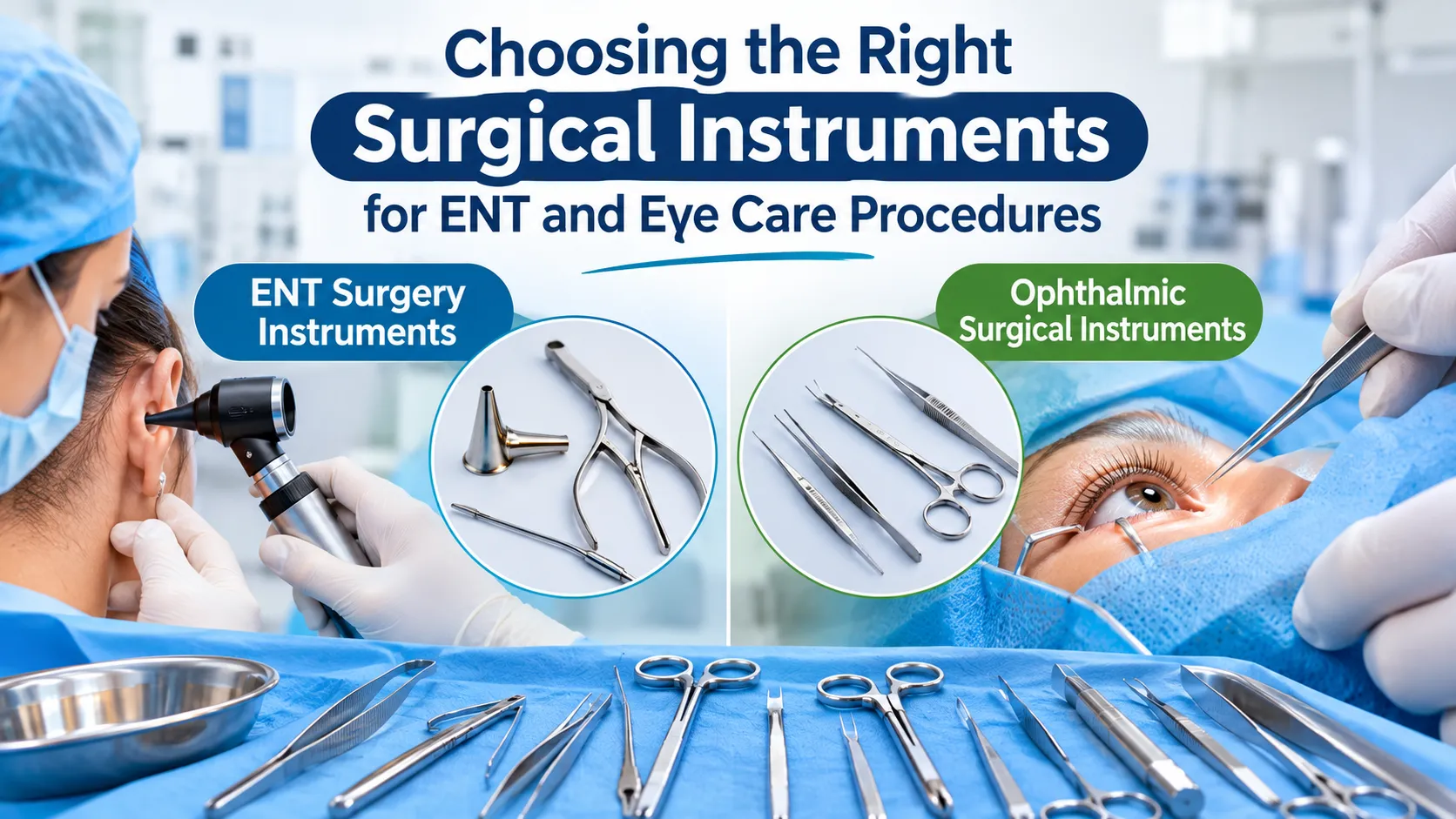
Modern healthcare depends on specialised medical instruments that help doctors perform procedures with accuracy, safety, and efficiency. Different medical specialties require tools designed for specific anatomical structures and treatment needs. Ear, nose, and throat procedures and eye surgeries are two areas where precision is particularly important. Understanding the purpose and features of these instruments helps healthcare professionals select suitable equipment for their clinical requirements.
Understanding ENT Surgical Instruments
ENT Surgery Instruments are specially designed tools used by doctors to examine, diagnose, and treat conditions affecting the ears, nose, throat, and related structures. These instruments support procedures ranging from routine examinations to complex surgical treatments.
Common ENT instruments include nasal speculums, ear speculums, forceps, suction tubes, laryngoscopes, and surgical scissors. Each tool serves a specific purpose. For example, nasal speculums help provide a clearer view of the nasal passages, while ear speculums assist with examining the ear canal. Suction instruments help remove fluids and maintain visibility during procedures.
The selection of appropriate instruments depends on the type of procedure, the patient's requirements, and the surgeon's preferred techniques. Healthcare facilities should consider material quality, durability, ease of handling, and compatibility with sterilisation procedures when purchasing ENT equipment.
Common Instruments Used in ENT Procedures
ENT specialists use different instruments depending on the area being examined or treated.
Nasal Instruments: Nasal speculums and forceps help doctors examine the nasal cavity, handle tissues, and perform specific treatments.
Ear Instruments: Ear speculums, curettes, and suction tools are commonly used for ear examinations and procedures. Their design supports access to delicate areas.
Throat Instruments: Laryngoscopes, tongue depressors, and specialised forceps help medical professionals examine the throat and manage selected surgical procedures.
General Surgical Tools: Scissors, needle holders, retractors, and forceps are used in various ENT operations to support controlled tissue handling and surgical accuracy.
Proper maintenance and sterilisation are essential for keeping these instruments safe and ready for clinical use.
What Are Ophthalmic Surgical Instruments?
Ophthalmic instruments are specialised medical tools used for diagnosing and treating conditions affecting the eyes. Since the eye contains delicate tissues and structures, these instruments are designed to support controlled movements and precise surgical work.
Common examples include eye speculums, ophthalmic forceps, microsurgical scissors, needle holders, and specialised blades. These tools are used in procedures such as cataract surgery, corneal treatments, and other ophthalmic operations.
The design of each instrument is important because even small movements can affect the outcome of an eye procedure. Surgeons therefore require tools that provide a comfortable grip, accurate control, and reliable performance.
Types of Ophthalmic Instruments and Their Uses
Different eye procedures require different instruments. Some commonly used categories include:
Eye Speculums: These instruments help keep the eyelids open during examinations and surgical procedures, allowing the surgeon to access the treatment area.
Ophthalmic Forceps: Designed for delicate handling, these tools help surgeons hold or manipulate tissues during specific procedures.
Microsurgical Scissors: These scissors support precise cutting during operations involving delicate eye structures.
Needle Holders: They help surgeons control fine needles when performing suturing tasks.
Specialised Blades: Ophthalmic blades are designed for controlled incisions during selected eye surgeries.
Choosing suitable instruments depends on the procedure, surgical technique, and equipment specifications.
Factors to Consider When Selecting Surgical Instruments
Healthcare providers should evaluate several factors before purchasing specialised surgical equipment. Material quality is important because instruments must withstand repeated cleaning and sterilisation. Stainless steel is commonly used because of its durability and resistance to corrosion.
Precision and ergonomic design also matter. Instruments should be comfortable to hold and allow healthcare professionals to maintain control during procedures. Buyers should check product specifications, finishing, size, and suitability for the intended medical application.
Sterilisation compatibility, maintenance requirements, and supplier reliability should also be considered. Purchasing from dependable suppliers can help healthcare facilities access appropriate products and obtain useful information about their equipment.
Importance of Proper Cleaning and Maintenance
Surgical instruments require careful cleaning, inspection, and sterilisation according to established healthcare protocols. Residual biological material can compromise hygiene, while improper handling may damage delicate components.
After use, instruments should be processed according to the manufacturer's instructions and the facility's infection-control procedures. Regular inspection helps identify corrosion, loose joints, damaged tips, or other defects. Instruments showing signs of damage should be assessed before being used again.
Proper storage also helps protect instruments from contamination and physical damage. Organised storage systems make it easier for medical teams to locate the required tools before procedures.
Making Informed Equipment Choices
Selecting the right surgical equipment involves understanding clinical needs, product specifications, and quality requirements. ENT and eye care departments should choose instruments suited to their procedures rather than relying on general-purpose tools for every application.
Reliable purchasing decisions can support smoother workflows, better instrument handling, and consistent equipment availability. Healthcare professionals should review their requirements carefully and consult qualified suppliers when additional product information is needed.
A dependable Medical Equipment Online Store can help healthcare professionals explore different surgical instrument categories, compare specifications, and identify suitable equipment for hospitals, clinics, and specialised medical practices. Careful selection, appropriate sterilisation, and regular maintenance all contribute to responsible surgical equipment management.