Choosing the Right Material: 5 Best Fiberboard Sheathing Options
By pvcboard1
160 Views
Selecting the right sheathing material is one of the most important decisions in any building project. Whether you're working on residential construction, commercial spaces, or home renovation, the material behind your walls directly affects insulation, structural performance, moisture resistance, and long-term durability.
Fiberboard sheathing remains a practical choice because it offers a balance of affordability, energy efficiency, and ease of installation. With multiple products on the market, though, choosing the best option can feel less like shopping and more like decoding a hardware aisle puzzle.
This guide gstarboard breaks down five of the best fiberboard sheathing options and where each performs best, while also exploring how complementary materials like Panel Door systems and pvc board products can improve overall project results.
Why Fiberboard Sheathing Still Matters
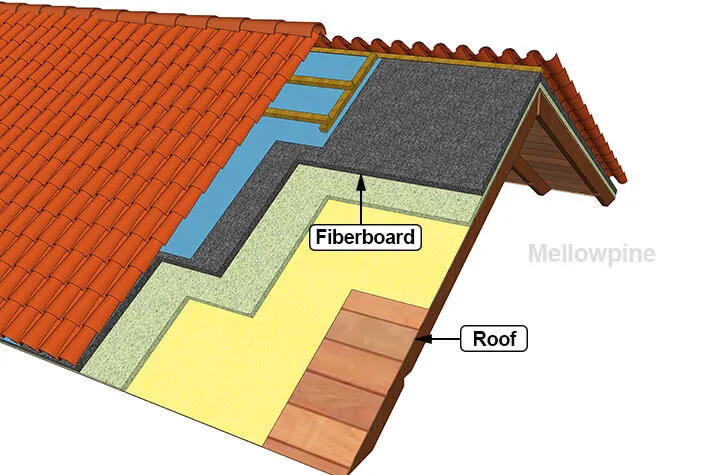
Fiberboard sheathing is made from compressed wood fibers, recycled paper fibers, or engineered plant materials bonded into rigid panels. Builders commonly use it as exterior wall sheathing, roof underlayment, or insulating board.
Its main benefits include:
- Improved thermal insulation compared to some traditional sheathings
- Lightweight panels that simplify installation
- Lower material costs for many projects
- Added sound reduction in residential and commercial buildings
- A smoother substrate for siding or cladding applications
Unlike purely structural materials such as plywood or oriented strand board (OSB), fiberboard often adds insulation value while still serving as a reliable backing layer.
For builders focused on efficiency and cost control, that combination is hard to ignore.
1. Asphalt-Impregnated Fiberboard
Asphalt-impregnated fiberboard is one of the most widely used sheathing materials in light-frame construction.
This product combines wood fibers with asphalt treatment, improving resistance to moisture and air infiltration. The result is a panel that works well as exterior sheathing under siding, brick veneer, or stucco.
Best for:
Residential wall systems
Climate zones with moderate rainfall
Budget-conscious housing developments
Advantages:
Better moisture resistance than untreated board
Good insulating value
Easy cutting and fastening
Cost-effective for large-scale builds
Limitations:
Limited structural strength compared to plywood
Not ideal for prolonged exposure before enclosure
Builders often choose this option when they need dependable performance without overengineering the wall assembly.
2. Structural Fiberboard Panels
Structural fiberboard is engineered to provide both insulation and load-bearing performance.
Unlike basic insulating board, these panels are manufactured to meet specific structural ratings, allowing them to contribute to wall bracing and rigidity.
This makes them useful in projects where reducing material layers is a priority.
Best for:
Energy-efficient homes
Mixed residential and light commercial buildings
Projects requiring code-compliant bracing
Advantages:
Combines structural support with insulation
Reduces need for separate bracing materials
Improves wall assembly efficiency
Limitations:
Higher cost than standard fiberboard
Installation must follow manufacturer load specifications
For builders aiming to simplify assemblies while maintaining performance, structural fiberboard offers a strong middle ground.
3. High-Density Fiberboard Sheathing
High-density fiberboard is manufactured under greater compression, producing a more rigid and durable panel.
These boards resist warping and surface damage better than lower-density alternatives, making them attractive for demanding environments.
They also provide a smoother finish, which can be valuable when used beneath decorative finishes or precision siding systems.
Best for:
High-traffic construction zones
Projects needing enhanced durability
Premium residential applications
Advantages:
Greater dimensional stability
Better resistance to dents and surface damage
Consistent panel quality
Limitations:
Heavier than standard options
Slightly more labor-intensive to handle
This option works especially well in higher-end builds where long-term material performance matters more than shaving a few dollars off upfront costs.
4. Moisture-Resistant Composite Fiberboard
Moisture-resistant composite fiberboard incorporates engineered additives or layered construction to improve durability in humid or wet environments.
This makes it particularly useful in regions with high rainfall, coastal climates, or buildings exposed to regular humidity fluctuations.
When paired with weather barriers and quality cladding, it helps create a more resilient building envelope.
Best for:
Coastal homes
Humid climates
Exterior renovation projects
Advantages:
Enhanced moisture tolerance
Improved longevity in challenging climates
Reduced swelling risk
Limitations:
Premium pricing
Must still be properly sealed and flashed
Builders who have dealt with moisture-related callbacks know prevention is cheaper than repair.
5. Fiberboard with PVC Lamination
A newer innovation combines fiberboard cores with pvc board surfaces or lamination layers.
This hybrid solution improves moisture resistance, cleanability, and finish quality while maintaining many of fiberboard’s practical benefits.
These panels are increasingly used in both exterior and interior applications, especially where appearance matters alongside durability.
Best for:
Interior wall systems
Utility areas
Decorative cladding support
Advantages:
Smooth finished surface
Improved moisture protection
Easy maintenance
Limitations:
Higher material cost
Not always necessary for basic structural applications
In projects where durability meets aesthetics, laminated systems can reduce finishing work and maintenance demands.
How Panel Doors and PVC Boards Complement Sheathing Choices
Wall sheathing should never be selected in isolation. It functions as part of a complete building system.
For example, choosing quality Panel Door products alongside appropriate sheathing improves thermal performance, durability, and design consistency. Panel doors are widely used in both residential and commercial settings because they offer versatility, design flexibility, and reliable structural performance.
Likewise, pvc board materials have become increasingly popular for trim, cabinetry backing, moisture-prone zones, and decorative panels. Their resistance to rot, insects, and moisture makes them especially valuable in kitchens, bathrooms, and exterior finishing details.
Combining fiberboard sheathing with compatible materials helps create a more efficient and durable building envelope.
Final Thoughts
There is no single “best” fiberboard sheathing for every project. The right choice depends on climate, budget, structural needs, and long-term performance goals.
To summarize:
- Choose asphalt-impregnated fiberboard for cost-effective exterior sheathing
- Use structural fiberboard when load support matters
- Select high-density panels for durability and finish quality
- Opt for moisture-resistant composites in wet climates
- Consider laminated options for aesthetics and added protection
Smart material selection goes beyond comparing price tags. It means understanding how products work together, from sheathing to siding, trim, Panel Door installations, and pvc board finishing systems.
When chosen correctly, these materials create buildings that perform better, last longer, and require less maintenance over time.
Related Reading
Expert Insights: Navigating the Complex World of Home Improvement
Welcome to our in-depth exploration of Home Improvement. In an era defined by ra...
Why Home Improvement is Transforming the Global Industry Landscape
Welcome to our in-depth exploration of Home Improvement. In an era defined by ra...