Choosing the Right Healthcare CRM for Better Patient Care and Hospital Coordination
By curefy
15 Views
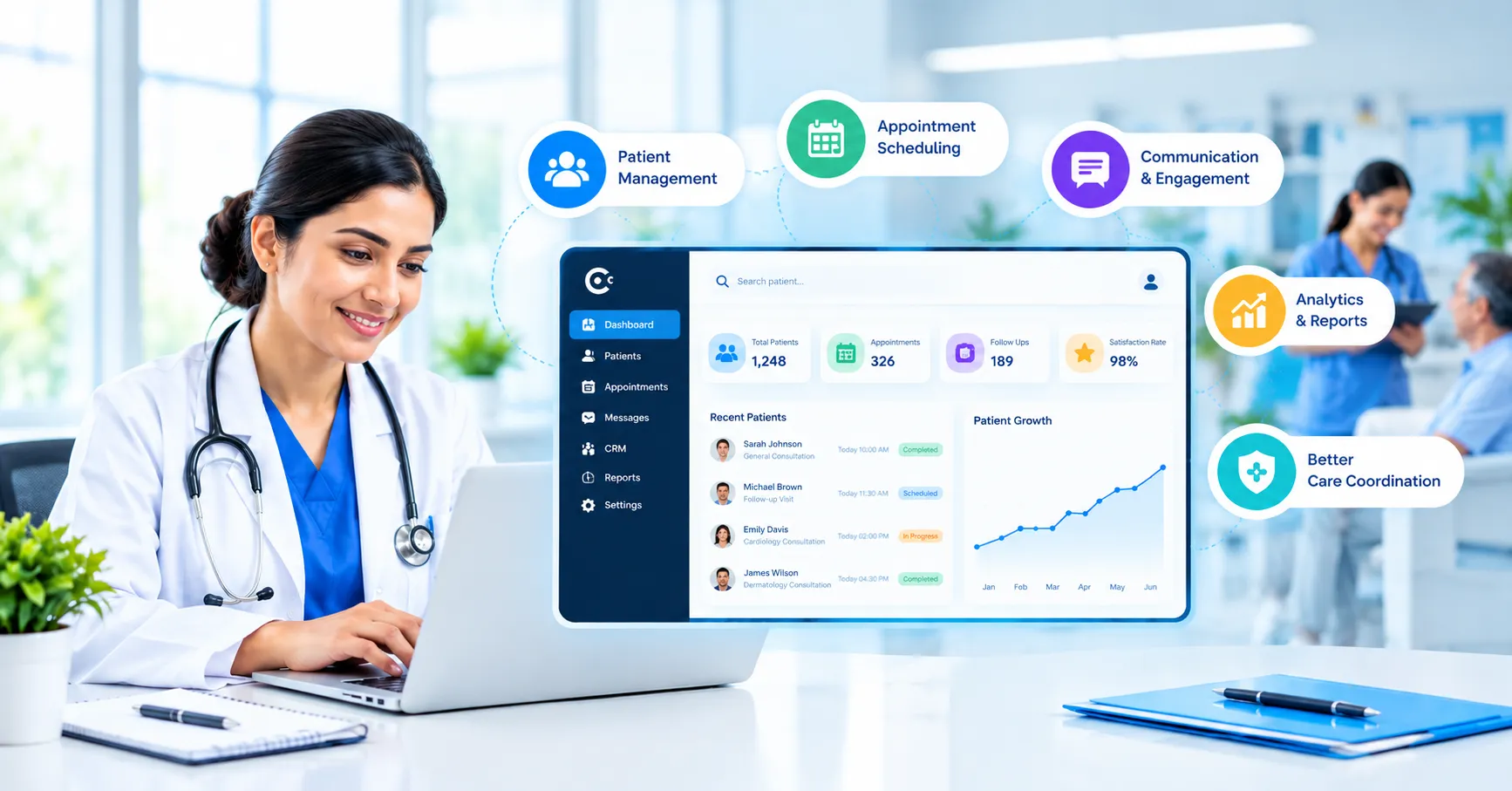
A delayed appointment confirmation, a missed follow-up call, or an unanswered patient inquiry can create uncertainty at an already stressful time. In healthcare, even small administrative gaps can affect how patients experience a clinic or hospital. These challenges become more complex when providers manage multiple departments, specialist consultations, and patients travelling from other countries for treatment.
Effective patient care depends not only on medical expertise but also on how well healthcare services are coordinated. The best crm software for healthcare management can help healthcare organizations manage patient communication, organize appointments, track inquiries, and maintain consistent follow-up processes. Rather than replacing clinical judgment, it supports the administrative work that allows medical professionals to focus on patient needs.
For hospitals, clinics, and medical tourism providers, choosing a suitable system means looking beyond a long list of features. The priority is to find technology that fits existing workflows, protects sensitive information, and helps patients navigate their healthcare journey with greater clarity and confidence.
How Healthcare CRM Improves Patient Services
Centralized Patient Information and Communication
Healthcare providers often manage patient information across emails, telephone calls, appointment records, and separate administrative systems. When details are scattered, staff may spend valuable time searching for information or asking patients to repeat themselves. A centralized CRM can organize inquiries, contact details, appointment information, and communication histories in one accessible environment, subject to appropriate permissions.
This approach helps administrative teams understand previous interactions and respond more consistently. Patients can receive clearer updates about consultations, required documents, and upcoming appointments. For international patients, organized communication records can also help coordinators manage inquiries across different stages of treatment planning.
Better Appointment Scheduling and Follow-Up
Appointment coordination affects patient convenience and the daily operations of healthcare facilities. Missed confirmations, unclear instructions, and forgotten follow-up tasks can create avoidable frustration for patients and additional work for staff. CRM-supported workflows can help manage appointment requests, reminders, consultation schedules, and follow-up communication.
For patients travelling abroad for treatment, continuity of communication is particularly important. Coordinators may need to arrange remote consultations, collect medical reports, explain preparation requirements, and confirm post-treatment appointments. A structured system helps teams track these responsibilities while leaving medical recommendations and treatment decisions to qualified professionals.
Supporting Treatment Quality Through Better Coordination
Quality health care rests on competent medical professionals, suitable facilities, evidence-based treatment options and effective communication. Technology is not a guarantee of better clinical outcomes, but organised administrative processes can facilitate the delivery of care.
For example, defined workflows allow staff to track referral enquiries, consultation arrangements, document collection and scheduled follow-ups. This visibility helps teams see pending tasks and administrative gaps before they become unnecessary delays. Patients also appreciate straightforward communication about appointments, hospital services and the next steps in their care journey.
Essential Features for Modern Healthcare Organizations
Workflow Automation and Administrative Efficiency
Healthcare teams regularly handle repetitive tasks, including appointment confirmations, inquiry assignments, reminders, and follow-up messages. Workflow automation can reduce manual effort by triggering routine activities according to predefined rules. This allows staff to spend more time addressing patient questions and coordinating services that require personal attention.
Automation must still have appropriate limits. Urgent symptoms, complex patient concerns, and treatment-related decisions require suitable professional involvement. Clear escalation procedures help ensure that automated messages support communication without preventing patients from reaching qualified staff when necessary.
Privacy, Security, and Responsible Information Management
Patient information requires careful handling, making privacy and security essential considerations when selecting a healthcare CRM. Organizations should evaluate access controls, authentication measures, data handling practices, audit capabilities, and the vendor's approach to applicable regulatory requirements.
Healthcare providers subject to United States HIPAA requirements should assess the relevant contractual arrangements, system configuration, and organizational responsibilities. A compliance-related product description alone does not establish that every implementation or operational practice meets all applicable requirements.
Staff training, appropriate permissions, data retention policies, and clear procedures for handling patient information are equally important. A well-chosen system should support responsible information management while making routine administrative tasks easier to complete.
Telemedicine and International Patient Coordination
Medical tourism is more than just making an appointment with a specialist. International patients may need assistance in understanding hospital services, submitting medical reports, coordinating consultations, arranging travel-related documentation and planning follow-up care. Such activities tend to involve multiple people and multiple stages of communication.
Telemedicine can help with remote consultations where clinically relevant, allowing patients to talk through treatment options before travelling or to arrange follow-up appointments once they are back home. A connected patient management process can help administrative teams coordinate those interactions and track open tasks.
Healthcare organizations should also account for language preferences, time-zone differences, and clear explanations of treatment plans and estimated costs. These practical details help international patients make informed decisions and understand what to expect without creating unrealistic promises about treatment outcomes or recovery.
Making the Right Healthcare CRM Decision
We should begin with the real-life operational challenges of the organization when selecting a CRM. A small clinic may focus on managing appointments and communicating with patients, but a hospital may need to coordinate across departments. Providers of medical tourism may stress international patient requests, remote consultations, collection of documents and follow-up of treatment.
Usability, customisation, integration capabilities, reporting, scalability, and implementation support are factors decision-makers should consider. They should also evaluate whether the platform fits within the current clinical and administrative workflows. Showing realistic scenarios helps staff determine if the system is an answer to everyday problems, not just a list of impressive features.
The most suitable solution is the one that meets the organization's needs, supports responsible information management, and helps staff deliver more organized services. Regular reviews can then identify workflow gaps and opportunities for improvement as patient expectations and operational requirements change.
Aligning CRM Capabilities With Patient Needs
A healthcare CRM should make it easier for patients to understand what happens next, whom to contact, and how to prepare for appointments. Clear communication, organized scheduling, and timely follow-ups can reduce administrative confusion and help patients feel better supported throughout their care journey.
Healthcare providers should regularly review workflows and gather feedback from staff and patients. This can reveal communication gaps, improve coordination, and guide future system improvements. Technology delivers the greatest practical value when it supports clinical expertise, responsible administration, and attentive patient care.
Conclusion
The right healthcare CRM can help providers coordinate communication, appointments, and follow-up care more effectively. Combining suitable technology with clinical expertise and responsible information management supports organized hospital services and a more consistent, patient-focused experience.
Curefy App is a white-label, HIPAA-compliant healthcare CRM and AI-powered practice management software designed for clinics, hospitals, and medical professionals. It supports patient management, workflow automation, telemedicine, patient engagement, and secure digital healthcare operations. Healthcare organizations can explore Curefy App to assess whether its capabilities align with their operational needs.