Choosing the Right Braces for Your Smile in Richmond, TX
101 Views
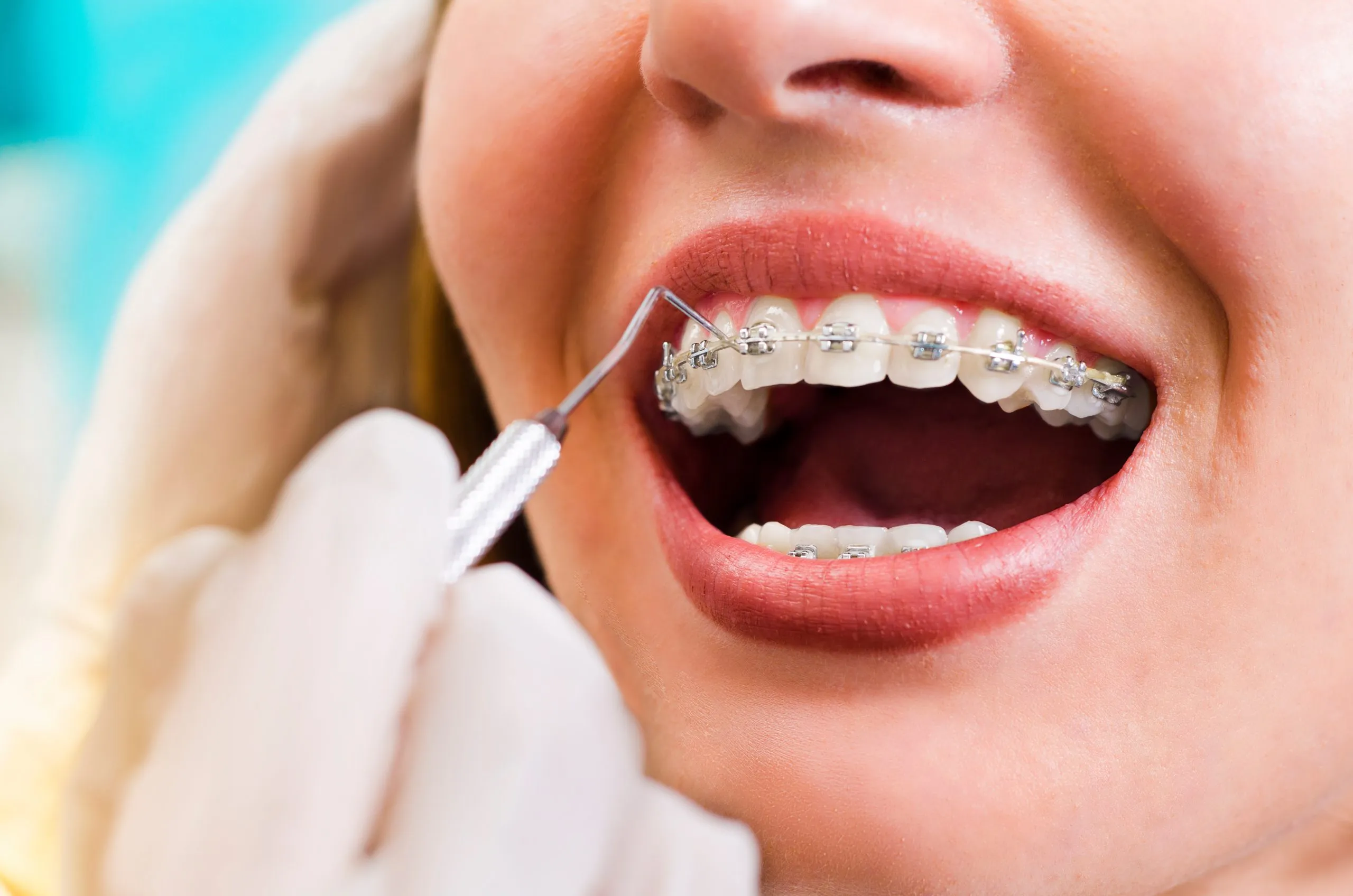
Thinking about braces can bring up plenty of questions. Will they hurt? How long will treatment take? More importantly, which type of braces will work best for your teeth?
The answer is different for every person. Some patients need help with crowded teeth, while others have gaps or bite problems. Your age, budget, lifestyle, and treatment needs can also influence the final choice.
Metal, ceramic, and clear braces can all move teeth into better positions. However, they differ in appearance, strength, care, and cost. Understanding those differences can make your first orthodontic visit feel much easier.
Why Do People Need Braces?
Braces do more than create a straighter smile. They can also correct crowded teeth, unwanted spaces, and problems with how the upper and lower teeth meet. Dentists call these bite problems malocclusions.
Poor alignment can make certain areas harder to brush and floss. Food and plaque may remain trapped between overlapping teeth. Over time, that can increase the risk of cavities and gum problems.
An uneven bite may also place extra pressure on certain teeth. Some teeth can wear faster than others. You might even feel discomfort while chewing.
Braces use steady, controlled pressure to move teeth gradually. Brackets are attached to the teeth, and a wire connects them. Adjustments guide the teeth toward their planned positions over time, according to the American Association of Orthodontists.
Traditional Metal Braces
Metal braces are the option most people picture first. They use metal brackets, wires, and small elastic ties. Although the basic idea is familiar, today’s braces are generally smaller and less bulky than older designs.
One major benefit is strength. Metal brackets can handle a wide range of tooth movements and bite corrections. They may be suitable for both simple and more involved cases.
People considering metal braces Richmond TX treatment may also appreciate their lower cost compared with some less-visible choices. The final price still depends on treatment length, case difficulty, insurance, and the dental office.
Of course, metal braces are noticeable. Some patients do not mind that at all. Younger patients may even enjoy changing the colors of their elastic ties during adjustment visits.
They do require careful cleaning. Food can collect around brackets and beneath wires. A small orthodontic brush or floss threader can make those tight spaces easier to reach.
Ceramic Braces
Ceramic braces work in much the same way as metal braces. The main difference is their appearance. Their brackets are clear or tooth-colored, helping them blend with the teeth.
That subtle look appeals to many adults and teenagers. Someone may want fixed braces without drawing too much attention to treatment. Ceramic brackets can offer that middle ground.
Patients researching ceramic braces Richmond TX options should understand that these braces need thoughtful care. Ceramic brackets may be more likely to chip than metal ones. The clear or light-colored ties can also stain without good cleaning habits.
Coffee, tea, dark sauces, and smoking may affect the appearance of the elastic ties. Regular brushing helps, but food choices still matter. Your dental team can explain how to keep them looking clean.
Ceramic braces may not suit every orthodontic problem. Bite pressure, tooth position, and the movement required can influence that decision. The American Association of Orthodontists notes that ceramic braces work for many adults, but not every case.
What Do People Mean by Clear Braces?
The phrase “clear braces” can be confusing. Some people use it for ceramic braces because their brackets are less noticeable. Others use it when talking about removable clear aligners.
The two treatments are not the same. Ceramic braces stay fixed to the teeth and use brackets and wires. Clear aligners are removable plastic trays that fit over the teeth.
If you are searching for clear braces Richmond TX, ask the provider which treatment they mean. You do not want to book a consultation expecting aligners and discover that the office is discussing ceramic brackets.
Clear aligners can be removed for meals and daily cleaning. However, patients must wear them consistently for treatment to work. Fixed braces stay in place, so there is less responsibility for remembering to wear them.
Aligners can correct many alignment concerns, but they may not suit every case. The right choice depends on the movements your teeth need. Appearance should matter, but it should not replace proper treatment planning.
Comparing Your Main Options
Feature
Metal braces
Ceramic braces
Clear aligners
Visibility
Most noticeable
Less noticeable
Nearly invisible
Strength
Very strong
Can be more delicate
No brackets or wires
Removal
Fixed
Fixed
Removable
Cleaning
Needs extra care
Needs extra care
Trays are removed for cleaning
Food limits
Some restrictions
Some restrictions
Removed during meals
Patient responsibility
Lower
Lower
Must be worn as directed
Suitability
Handles many cases
Depends on the bite
Depends on treatment needs
There is no option that automatically wins for everyone. The best braces are the ones that can safely correct your teeth and fit your daily routine.
What Should You Expect During Treatment?
Your first visit normally includes an examination of your teeth, gums, and bite. The provider may take photographs, X-rays, or digital scans. These records help create a personal treatment plan.
If you choose fixed braces, brackets are bonded to the teeth. A wire is then placed through them. You may feel pressure after the braces are fitted or adjusted, but that discomfort usually settles.
Follow-up visits allow the provider to monitor progress and make changes. Skipping appointments may slow treatment. Broken brackets can cause delays as well.
Treatment length varies from person to person. A small spacing problem may need less time than a difficult bite correction. Your provider should offer an estimated timeline after reviewing your records.
Eating and Cleaning With Braces
Life with braces takes a little adjustment, but it does not need to feel overwhelming. You will probably need to avoid very hard, sticky, or chewy foods. These foods can bend wires or pull brackets away from the teeth.
Cut firm foods into smaller pieces rather than biting into them directly. Apples, carrots, and similar foods may still be enjoyed when prepared carefully. Soft foods can feel better after adjustment visits.
Brush around every bracket and near the gumline. Flossing takes more time, but special tools can help. The American Dental Association explains that braces are used to correct crowded, crooked, and poorly aligned bites, making proper care during treatment especially important.
A dental care clinic can show you how to clean around your braces. Do not feel embarrassed if you need another demonstration. Getting the technique right can protect your teeth throughout treatment.
How to Choose the Right Braces
Start with the health of your teeth and gums. Cavities or active gum problems may need treatment before braces begin. Moving teeth in an unhealthy mouth can create avoidable concerns.
Next, think honestly about your routine. Will you remember to wear removable aligners every day? Are you comfortable avoiding foods that could damage fixed braces?
Budget matters too. Ask for a complete estimate covering records, adjustments, retainers, and possible emergency visits. Also check whether your insurance includes orthodontic benefits.
Finally, choose a provider who explains the options clearly. You should understand what needs correction, why a treatment is recommended, and what daily care involves. A good consultation should feel like a conversation, not a sales pitch.
Final Thoughts
Metal braces are strong, dependable, and useful for many orthodontic concerns. Ceramic braces offer a less-visible appearance while still providing fixed treatment. Clear aligners provide more flexibility, but they require consistent daily wear.
Your smile, bite, and lifestyle are personal. That is why the same option will not work equally well for everyone. A full examination can show which treatment offers the safest and most practical path toward a healthier smile.