Choosing the Right Automated Parking Management System for Your Property
By Zoro job
5 Views
Selecting parking technology is an important decision for property owners and facility managers. A system that works well in a small residential building may not meet the needs of a large shopping centre, hospital, airport, or commercial complex.
An automated parking management system should match the facility's traffic volume, parking layout, security requirements, budget, and long-term plans. Careful evaluation helps prevent unnecessary expenses and supports reliable operation after installation.
This guide explains the main considerations when choosing a suitable solution.
Assess Your Current Parking Requirements
Start by understanding how the facility currently operates.
Record the number of parking spaces, vehicle entry and exit volumes, peak periods, average parking duration, and common operational problems. Identify whether the biggest challenges involve congestion, payment processing, security, inaccurate occupancy information, or inefficient space allocation.
Speak with parking staff and regular users to understand where delays occur.
An automated parking management system should address these specific problems rather than introduce features that the property does not need.
Understand the Available System Types
Parking automation can take several forms.
Parking Management Software
Software-based solutions organise permits, transactions, reservations, reports, and parking rules. They may integrate with existing hardware.
Automated Access Control
These systems manage entry and exit through barriers, vehicle recognition, RFID, QR codes, or digital credentials.
Smart Parking Guidance
Sensors and cameras detect occupancy and help direct drivers towards available spaces.
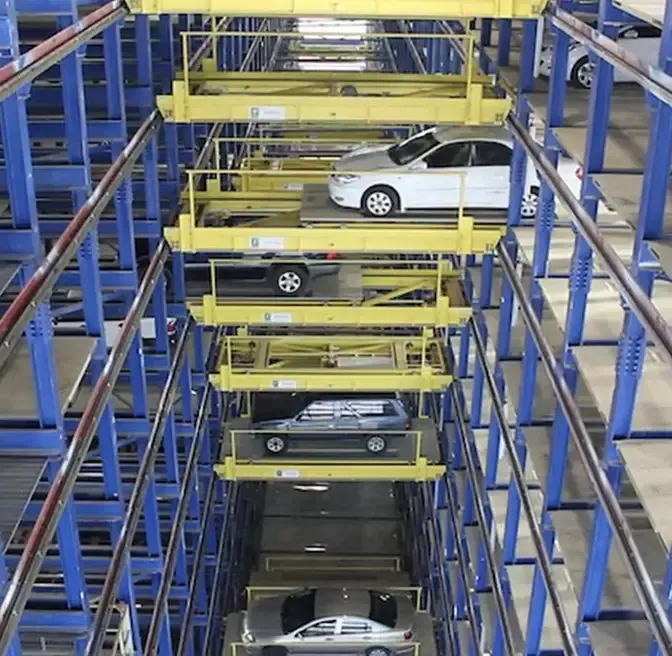
Mechanical Automated Parking
These installations use specialised equipment to move vehicles into designated storage positions. They can suit certain space-constrained developments but require more extensive engineering, safety planning, and maintenance.
Understanding these differences helps property owners compare solutions that perform the same functions.
Evaluate Essential Features
List the features required for daily operation.
Common considerations include real-time occupancy monitoring, access control, vehicle identification, payment integration, reporting, mobile access, reservation management, and equipment-fault alerts.
A small office may need only access automation and digital permits. A multilevel public car park may require occupancy sensors, directional displays, and integrated payment systems.
Ask suppliers to demonstrate how each feature works in realistic operating conditions. Avoid paying for advanced functions unless they provide a clear operational benefit.
Check Compatibility With Existing Infrastructure
Replacing every component may be unnecessary if existing barriers, cameras, ticketing devices, and payment terminals can integrate with a new platform.
Ask whether the proposed system supports existing equipment and what upgrades are required. Review network connectivity, electrical capacity, mounting locations, and communication protocols.
Compatibility should be confirmed technically rather than assumed from general product descriptions.
The installation plan should also account for vehicle movement, pedestrian access, safety procedures, and the need to keep parts of the facility operating during implementation.
Consider Security and Privacy
Parking systems may collect vehicle registrations, entry and exit records, payment details, and access histories.
Choose a solution with suitable account permissions, secure communication, software updates, backup procedures, and clear data-retention settings.
If number plate recognition or surveillance is used, confirm that its deployment follows applicable laws and privacy requirements.
Establish who can access records, how incidents are investigated, and what happens when equipment or network connections fail.
Calculate the Total Cost of Ownership
The initial purchase price is only one part of the investment.
Consider hardware, installation, software licences, subscriptions, payment-processing fees, network infrastructure, staff training, maintenance, and future equipment replacement.
An automated parking management system with a lower upfront cost may become more expensive if it requires frequent repairs or costly upgrades.
Request a detailed quotation that identifies recurring charges and the responsibilities of both the supplier and property owner.
Where possible, compare expected costs with measurable operational benefits, such as reduced administration, fewer payment errors, or improved use of available spaces.
Evaluate Reliability and Technical Support
Parking facilities need dependable equipment because failures can disrupt access and create queues.
Ask about warranty coverage, preventive maintenance, support availability, response times, replacement parts, and software update procedures.
Confirm how the system operates during power failures, network interruptions, or communication problems. Manual override procedures should be clearly documented and tested.
A supplier's support arrangements are an important part of the long-term decision.
Plan for Future Growth
A property may expand, add entrances, increase parking capacity, or introduce electric vehicle charging in the future.
Choose a system that can accommodate reasonable growth without requiring a complete replacement. Check whether additional devices, user accounts, and reporting functions can be added later.
Scalability is particularly important for growing business parks, residential developments, and commercial properties.
However, future flexibility should be balanced against present requirements and budget.
Test Before Full Deployment
Before installing the system throughout the property, consider a pilot or phased rollout where practical.
Test vehicle identification, occupancy accuracy, payment processing, reporting, user instructions, and equipment recovery procedures.
Train staff and provide clear information to visitors before the system becomes fully operational.
After launch, compare performance with the baseline measurements recorded during the initial audit. Use these results to correct problems and confirm whether the system is meeting its objectives.
Conclusion
Choosing the right automated parking management system requires a clear understanding of parking demand, operational challenges, technical compatibility, security, cost, and future requirements.
By comparing suitable features, checking support arrangements, and testing the solution carefully, property owners can make a more informed investment. The right system should simplify parking operations, improve the user experience, and remain dependable as the property evolves.