Choosing Patterns, Colors, and Textures for a Custom Stamped Concrete Project
By aaaaabbbbbb
2 Views
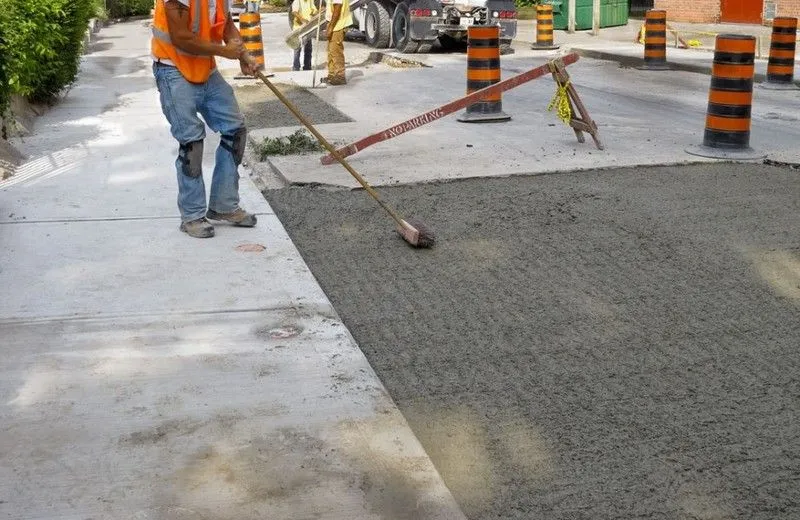
Outdoor spaces play an important role in the appearance and usefulness of a property. Patios, driveways, walkways, and pool decks need surfaces that can handle regular use while complementing the surrounding landscape. Stamped concrete installation services offer a practical way to create attractive outdoor surfaces with decorative patterns and colors.
Stamped concrete combines the strength of traditional concrete with the appearance of materials such as natural stone, brick, slate, and wood. It gives homeowners more design choices without requiring separate paving units.
Professional installation helps ensure that the finished surface has the right thickness, texture, color, and support. Property owners can select a design that matches their homes and outdoor plans.
What Do Stamped Concrete Installation Services Include?
Stamped concrete installation services cover the preparation, placement, coloring, stamping, and finishing of decorative concrete surfaces.
The contractor first evaluates the property and discusses the homeowner's design preferences. The crew then prepares the installation area and establishes the required concrete base.
After pouring the concrete, workers apply color and press specialized stamps into the surface. These stamps create the selected pattern.
The installation also includes control joints, curing, cleaning, and sealing when required. Each stage contributes to the final appearance and performance of the concrete.
Popular Applications of Stamped Concrete
Stamped concrete installation in different outdoor areas. Its flexibility makes it suitable for both small residential projects and larger paved spaces.
1. Stamped Concrete Patios
A stamped concrete patio creates an attractive outdoor area for relaxation, family gatherings, and entertainment.
Homeowners can choose stone patterns, brick textures, or other decorative designs. A suitable color can also coordinate with the house exterior and surrounding landscaping.
The patio layout should provide enough space for outdoor furniture and convenient movement.
2. Decorative Concrete Driveways
A driveway creates one of the first impressions of a property. Stamped concrete provides an alternative to plain concrete and traditional paving materials.
Contractors can create borders, stone patterns, and coordinated colors. The driveway design must also account for vehicle loads, drainage, and proper concrete thickness.
3. Stamped Concrete Walkways
Decorative walkways connect entrances, gardens, patios, and other outdoor areas.
Stamped concrete creates a consistent walking surface while adding visual detail. Homeowners can select patterns that complement nearby patios or driveway designs.
The contractor should maintain appropriate slopes and surface textures for safe pedestrian use.
4. Pool Decks
Stamped concrete can improve the appearance of swimming pool surroundings. Homeowners can choose decorative patterns that complement the pool and outdoor landscaping.
Pool decks need special attention to surface texture and drainage. Contractors should select appropriate finishes that provide suitable traction when wet.
5. Outdoor Entertainment Areas
Stamped concrete also works around outdoor kitchens, fire pits, seating areas, and garden spaces.
A coordinated decorative surface helps connect different parts of the outdoor layout. Homeowners can use borders or different patterns to define separate functional areas.
Benefits of Professional Stamped Concrete Installation Services
Professional installation helps homeowners get the most from their decorative concrete surfaces.
1. Wide Range of Design Choices
Stamped concrete comes in many patterns, textures, and colors. Homeowners can select designs that resemble natural stone, slate, brick, cobblestone, or wood.
These options allow property owners to create a customized appearance without changing the basic benefits of concrete.
2. Continuous Surface
Stamped concrete creates a continuous concrete surface rather than separate paving units.
This design reduces the need to maintain individual paver joints. It also creates a consistent appearance across larger outdoor areas.
Control joints remain necessary to help manage normal concrete shrinkage and movement.
3. Strong Outdoor Performance
Concrete provides a durable surface for many residential applications. Proper ground preparation, concrete placement, and curing support its ability to handle everyday use.
The required specifications depend on the intended application. A driveway needs different load considerations from a decorative garden path.
4. Easier Routine Cleaning
Stamped concrete requires basic cleaning to remove dirt, leaves, and other debris.
Homeowners can use water and suitable cleaning products to maintain the surface. Periodic sealing helps protect the decorative finish from moisture and everyday wear.
5. Coordinated Property Design
Stamped concrete helps create a consistent look across patios, driveways, walkways, and pool decks.
Homeowners can use matching patterns or complementary colors to connect different outdoor spaces.
The Stamped Concrete Installation Process
A successful stamped concrete project requires careful attention to preparation and finishing.
Step 1: Initial Consultation
The contractor discusses the homeowner's goals, available space, design preferences, and intended use.
This discussion helps determine the appropriate pattern, color, surface dimensions, and project requirements.
The contractor also explains the available finishes and any site conditions that may affect installation.
Step 2: Site Preparation
Workers clear the installation area and remove grass, loose soil, roots, and unwanted materials.
They then prepare and compact the ground. A suitable aggregate base may be installed to provide additional support and help with drainage.
Proper preparation reduces the risk of uneven settlement and surface damage.
Step 3: Forming and Reinforcement
Contractors install forms to establish the concrete area's shape and dimensions.
They determine the required reinforcement according to the project design. Steel reinforcement or other specified materials may help the concrete handle expected stresses.
Step 4: Concrete Placement
The crew pours concrete into the prepared forms. Workers spread and level the material while maintaining the planned thickness and grade.
The concrete mixture must have suitable consistency for the selected stamping method.
Step 5: Color Application
Contractors apply the selected color using an appropriate coloring system. Some projects use integral color mixed into the concrete, while others use surface-applied color hardeners.
Antiquing colors can also add depth and highlight the pattern. The chosen method depends on the desired appearance and installation specifications.
Step 6: Pattern Stamping
Workers press specialized stamping mats into the concrete while the material remains workable.
The crew follows the planned pattern layout to create consistent impressions. Proper timing is important because concrete changes quickly during the finishing process.
Experienced workers pay attention to edges, corners, and pattern alignment.
Step 7: Joint Placement and Curing
The contractor creates control joints in suitable locations. These joints help manage cracking caused by concrete shrinkage.
The surface then requires proper curing. Workers protect the concrete while it develops strength.
Step 8: Cleaning and Sealing
After the concrete reaches the appropriate stage, workers clean the surface and apply a suitable sealer.
Sealing helps protect the color and decorative texture. It can also make routine cleaning easier.
The contractor provides instructions about when the surface can handle foot traffic, furniture, or vehicles.
Choosing the Right Stamped Concrete Design
The best design depends on the property's exterior, available space, and intended use.
Homeowners should consider how the pattern will look beside existing materials. A slate pattern may suit a natural landscape, while a brick pattern can complement traditional architecture.
Color selection also matters. Neutral shades create a simple appearance, while contrasting colors can highlight borders and decorative details.
The texture should match the location. Pool decks and walkways need suitable traction, while patios may allow more decorative finishing choices.
A contractor can provide samples and explain how different finishes perform outdoors.
Common Problems with Poor Installation
Poor installation can affect both the appearance and durability of stamped concrete.
Insufficient ground preparation can cause settling. Incorrect concrete mixtures may create finishing and strength problems. Poor stamping timing can result in shallow or uneven patterns.
Other problems include:
-
Uneven color application.
-
Incorrect control joint placement.
-
Poor drainage around the surface.
-
Premature sealing.
-
Inadequate curing.
-
Improper concrete thickness.
Homeowners should select contractors who understand decorative concrete work and follow a complete installation process.
Stamped Concrete Maintenance Tips
Regular maintenance helps protect the surface and preserve its decorative appearance.
Homeowners should sweep away dirt, leaves, and other debris. They should clean stains using suitable products that will not damage the concrete or sealer.
Pressure washing may work for certain surfaces, but the pressure and cleaning method must suit the concrete finish.
Sealing should follow the manufacturer's recommendations. High traffic, direct sunlight, moisture, and weather exposure can affect how often resealing becomes necessary.
Property owners should also inspect the surface for cracks, damaged edges, and drainage concerns.
Factors That Affect Stamped Concrete Installation Costs
The cost of stamped concrete installation services depends on the project's size, design, and preparation requirements.
Several factors influence the total price:
Surface Size: Larger patios, driveways, and walkways require more materials and labor.
Pattern Complexity: Detailed patterns and custom borders may require additional installation time.
Color Selection: Multiple colors and specialized finishes can increase material and labor requirements.
Ground Preparation: Excavation, grading, soil improvement, and base installation affect project costs.
Concrete Specifications: Thickness, reinforcement, and concrete mixture requirements depend on the intended use.
Site Accessibility: Difficult access can affect equipment use, material delivery, and labor time.
Homeowners should request a written estimate that explains the work included in the project.
How to Choose a Stamped Concrete Contractor?
The contractor plays a major role in the success of a decorative concrete project. Property owners should look for experience with stamped concrete rather than relying only on general construction experience.
A suitable contractor should explain the installation process and discuss available design options. They should inspect the property before preparing an estimate.
Homeowners should also ask about surface preparation, drainage, control joints, curing, and sealing. These details help establish realistic expectations.
A clear project agreement should describe the work, materials, estimated schedule, payment terms, and maintenance instructions.
Conclusion
Concrete sidewalk installation provide homeowners with an attractive way to improve outdoor spaces. Decorative patterns, color choices, and different textures allow property owners to create customized patios, driveways, walkways, and pool decks. Proper preparation, concrete placement, stamping, curing, and sealing help maintain the finished surface.
For professional stamped concrete installation services in Pearl City, IL, and the surrounding areas, JB Concrete and Remodeling LLC is the best company to choose. The company provides concrete installation and remodeling services to help property owners improve their homes and outdoor spaces. Contact JB Concrete and Remodeling LLC to discuss your design ideas, project requirements, and concrete installation needs.
Frequently Asked Questions
1. What is included in stamped concrete installation services?
These services generally include site preparation, forming, concrete pouring, coloring, pattern stamping, joint placement, curing, cleaning, and sealing.
2. What patterns are available for stamped concrete?
Popular patterns include slate, flagstone, brick, cobblestone, wood plank, and natural stone designs. Contractors can explain which options suit different outdoor applications.
3. Is stamped concrete suitable for driveways?
Yes. Stamped concrete can work for driveways when contractors use appropriate concrete specifications, thickness, base preparation, and reinforcement where required.
4. How long does stamped concrete installation take?
Most projects require several days, depending on their size, preparation needs, design complexity, and weather. The concrete also needs curing time before regular use.
5. How often should stamped concrete be sealed?
The schedule depends on the sealer, surface condition, weather exposure, and traffic. Many surfaces need resealing every few years, but the product manufacturer's instructions should guide maintenance.
6. Can stamped concrete match the appearance of natural stone?
Yes. Specialized stamping tools create patterns and textures that resemble slate, flagstone, brick, and other materials. Contractors can combine patterns and colors for a more natural appearance.
Related Reading
Expert Insights: Navigating the Complex World of Home Improvement
Welcome to our in-depth exploration of Home Improvement. In an era defined by ra...
Why Home Improvement is Transforming the Global Industry Landscape
Welcome to our in-depth exploration of Home Improvement. In an era defined by ra...