Choosing a Museum Showcase — DG Furniture's Guide for Curators and Conservators
By fcfcg
102 Views
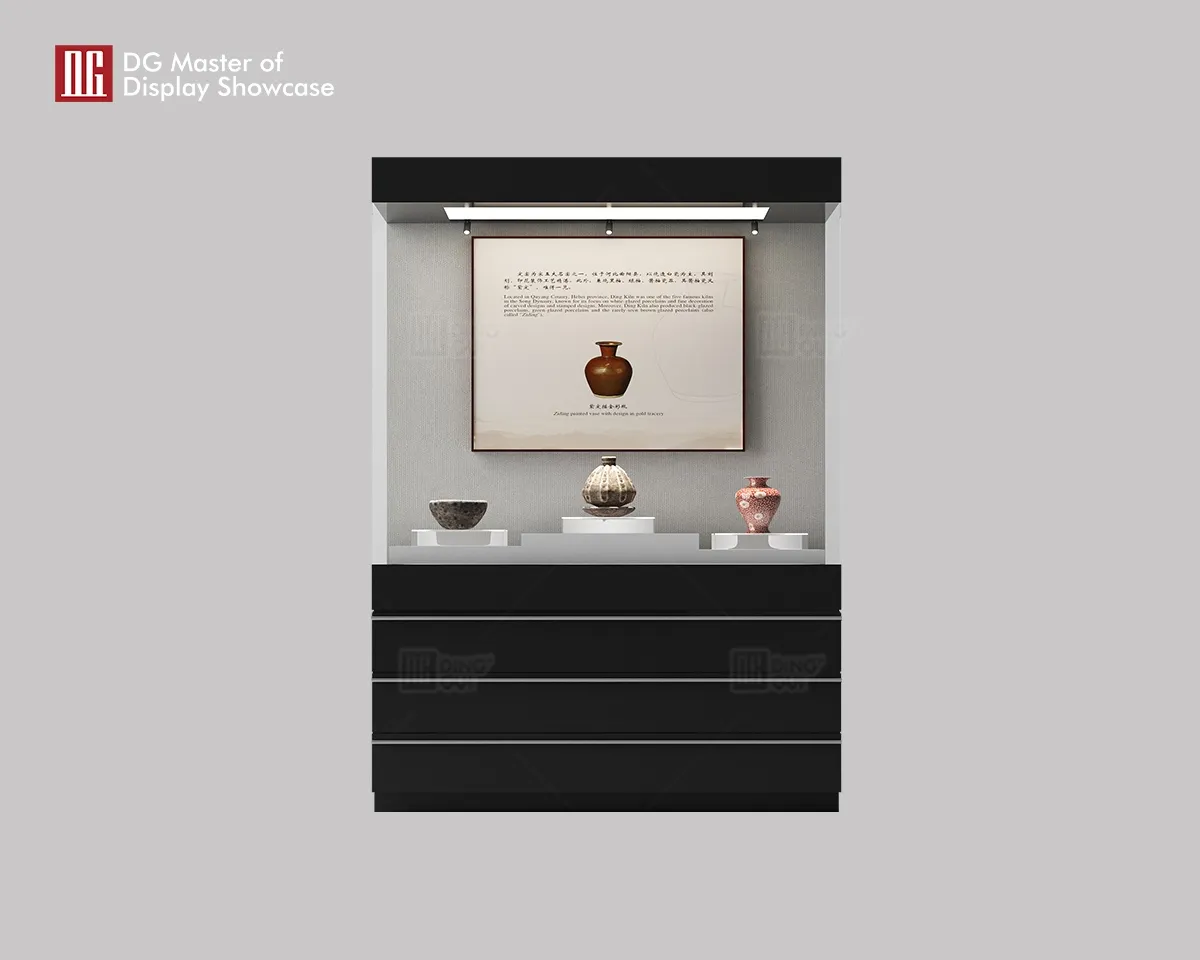
Curators and conservators approaching a new showcase purchase face a genuinely complex set of decisions that extend well beyond simple aesthetics, requiring careful evaluation of conservation performance, security, and long-term institutional value together. This guide walks through the key considerations that should inform any serious museum showcase selection process. Taking this structured approach genuinely pays off across the many years a showcase remains in active exhibition service. Many institutions approach this purchase infrequently enough that no one on staff has recent, hands-on experience with the process, making a clear framework especially valuable for teams navigating unfamiliar territory. Working through these considerations systematically, rather than relying purely on instinct or a single manufacturer's recommendation, helps ensure the final decision genuinely reflects the collection's actual needs.
Starting With Collection-Specific Requirements
Every showcase decision should begin with a clear understanding of the specific collection it needs to protect, since textiles, metalwork, paper artifacts, and organic materials each carry genuinely different environmental sensitivities that shape appropriate case specifications. Curators who document these collection-specific requirements clearly before approaching manufacturers help ensure the resulting showcase design genuinely addresses their artifacts' particular conservation needs rather than applying generic specifications that might not suit the actual materials involved. Involving conservation staff directly in this documentation process, rather than leaving it solely to curatorial or design teams, typically produces more accurate specifications.
Evaluating Sealing and Microclimate Performance
Conservators should evaluate a potential showcase's sealing performance carefully, since even small gaps or inadequate gasket systems can undermine the controlled microclimate that protects sensitive artifacts from fluctuating gallery humidity and temperature conditions. Requesting documented sealing test results, rather than accepting general assurances, gives conservators genuine confidence that a proposed case will actually maintain the stable internal environment their collection genuinely requires throughout extended exhibition periods. Institutions should ask specifically how a manufacturer tests sealing performance rather than accepting general assurances without supporting data.
Assessing Glazing and Light Filtration Quality
Glazing choice significantly affects both artifact protection and visitor viewing experience, making it worthwhile to evaluate UV filtration performance, optical clarity, and anti-reflective coating quality together rather than treating glazing as an interchangeable commodity component. Institutions displaying particularly light-sensitive materials should discuss specific filtration requirements directly with potential manufacturers, ensuring the selected glazing genuinely meets the protective standards their collection's conservation plan actually demands. Requesting a side-by-side comparison of glazing samples under actual gallery lighting conditions offers genuine insight that specification sheets alone cannot provide. This kind of hands-on comparison typically settles debates about glazing quality more effectively than any written specification comparison could.
Reviewing Security Features and Access Mechanisms
A dependable museum showcase balances robust security with practical access, and curators should review proposed locking mechanisms, alarm integration options, and panel removal procedures to confirm that routine conservation access won't become an unnecessarily cumbersome undertaking. This review matters considerably for institutions planning regular condition monitoring or periodic artifact rotation, where cumbersome access procedures could discourage the frequency of inspection that good conservation practice actually requires. Institutions should walk through a mock access scenario with manufacturer representatives present, confirming the process feels genuinely workable for everyday conservation staff. Manufacturers who welcome this kind of collaborative testing often reveal genuine confidence in their own access mechanism design.
Considering Long-Term Maintenance and Support
Curators should ask potential manufacturers about long-term maintenance support, including replacement gasket availability, lighting system serviceability, and general responsiveness to questions that inevitably arise once a showcase has been in service for several years. Manufacturers who provide clear, ongoing support after initial installation offer considerably more value than those focused purely on the initial sale, since museum showcases typically remain in service for decades rather than years. Asking for references from institutions who have used a manufacturer's cases for a decade or longer offers genuine insight into long-term reliability. This kind of reference-checking, while requiring modest extra effort, offers genuine protection against unexpected disappointment after purchase.
Making a Confident, Conservation-Informed Selection
Curators and conservators who work through collection-specific requirements, sealing performance, glazing quality, security balance, and long-term support together arrive at considerably more informed showcase decisions than those evaluating options on appearance alone. This thorough, conservation-informed approach ultimately protects institutional collections more effectively while supporting the kind of compelling public presentation that fulfills a museum's broader educational mission. Curators who invest this care upfront consistently report smoother exhibition development and fewer surprises once installation day actually arrives. Few upfront investments in planning pay off quite as reliably across a project's full timeline.