Chemical Peels: What to Expect and How to Prep
By Abdus Salam
18 Views
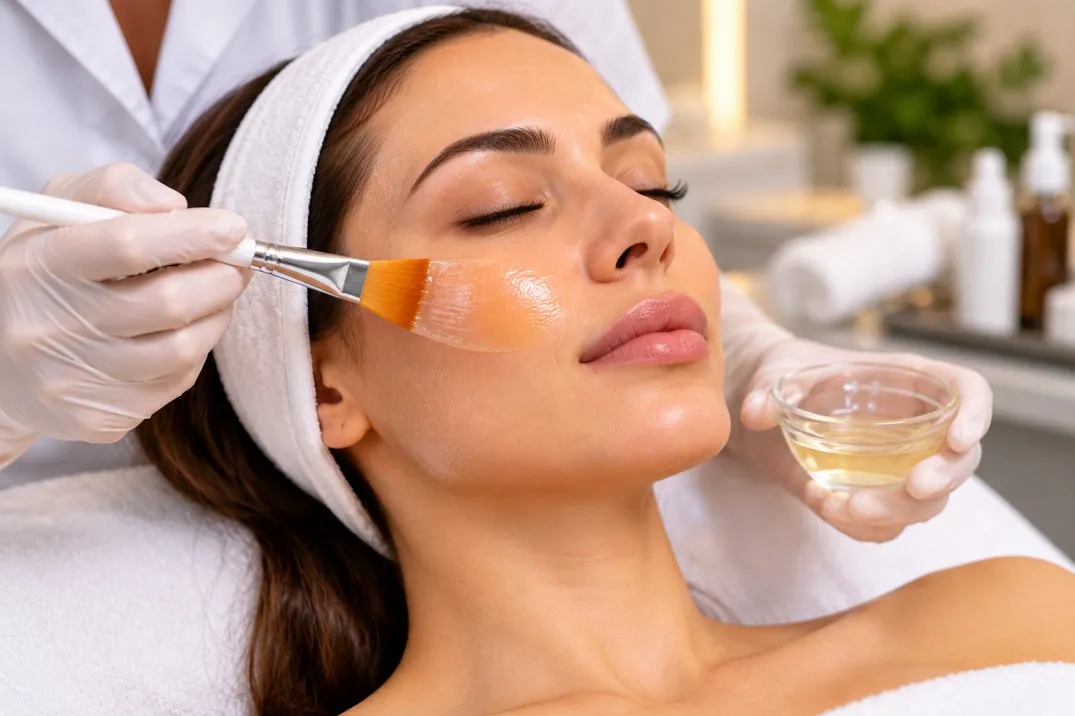
Environmental factors such as sun exposure, atmospheric pollution, and natural cellular aging slow down the skin's natural exfoliation cycle. Over time, dead skin cells accumulate on the surface, leading to dullness, clogged pores, fine lines, and uneven pigmentation. While daily facial cleansers and home exfoliants maintain surface hygiene, restoring a clear, luminous complexion often requires deeper clinical rejuvenation.
Chemical peels remain one of the most reliable and versatile non-surgical treatments in aesthetic dermatology. By applying formulated acid solutions to the skin, chemical peels accelerate controlled exfoliation, shedding damaged outer layers to reveal smoother, healthier tissue underneath. Understanding the different peel depths, proper pre-treatment preparation, and post-care protocols ensures a safe treatment and optimal cosmetic outcomes.
How Chemical Peels Work
Chemical peels utilize specific concentrations of organic acids to lower skin pH, weakening the desmosomes—the protein bonds that hold dead skin cells together. Once these bonds dissolve, damaged surface cells peel away, signaling deeper dermal layers to initiate repair.
This controlled exfoliation triggers several key biological benefits:
- Accelerated Cellular Turnover: Speeds up the natural shedding cycle, bringing fresh skin cells to the surface faster.
- Collagen Stimulation: Medium and deep peels reach into the dermis, stimulating fibroblast activity to produce fresh collagen and elastin.
- Pigment Clearing: Exfoliates accumulated melanin deposits, fading sunspots, melasma, and post-inflammatory hyperpigmentation.
- Pore Refinement: Unclogs hair follicles, balances oil secretion, and reduces active acne breakouts and enlarged pores.
Understanding the Three Depths of Chemical Peels
Chemical peels are categorized into three main depth levels, determined by the type and concentration of acid used, skin contact time, and application technique.
1. Superficial (Light) Peels
Superficial peels target only the epidermis, the outermost protective skin layer. They typically utilize Alpha Hydroxy Acids (AHAs) such as glycolic or lactic acid, or Beta Hydroxy Acids (BHAs) like salicylic acid.
- Ideal For: Mild skin dullness, minor dryness, subtle hyperpigmentation, and mild acne.
- Recovery: Minimal to no downtime. Flaking is light and usually resolves within two to three days.
2. Medium-Depth Peels
Medium-depth peels penetrate through the entire epidermis and reach into the upper papillary dermis. These formulations often incorporate higher concentrations of Trichloroacetic Acid (TCA) or Jessner's Solution.
- Ideal For: Pronounced sun damage, fine lines, deeper hyperpigmentation, and mild acne scarring.
- Recovery: Flaking and moderate peeling typically begin on day three and continue for up to seven days.
3. Deep Peels
Deep peels penetrate into the mid-to-deep reticular dermis using high-strength TCA or phenol solutions. Because of their intensity, deep peels require medical administration, specialized anesthesia, and extensive recovery protocols to treat severe structural photo-aging or deep scarring.
Essential Pre-Treatment Preparation Guidelines
Proper preparation primes the skin, ensures uniform acid penetration, minimizes side effects like post-inflammatory hyperpigmentation, and speeds up post-peel healing.
Two Weeks Before Treatment
- Avoid Tanning: Refrain from direct sun exposure, tanning beds, and spray tans. Tanned or sunburned skin absorbs acid unevenly and carries a significantly higher risk of hyperpigmentation or blistering.
- Pause Aggressive Treatments: Discontinue laser procedures, waxing, electrolysis, or hair bleaching in the target area.
One Week Before Treatment
- Suspend Active Exfoliants: Stop using topical retinoids (Tretinoin, Retin-A, Differin), Alpha/Beta Hydroxy Acids, benzoyl peroxide, and physical scrubs. These active ingredients thin the stratum corneum, which can cause chemical solutions to penetrate deeper than intended.
- Discontinue Blood Thinners: In consultation with your physician, pause non-essential medications or supplements that increase bleeding risks, such as high-dose Vitamin E, fish oils, and NSAIDs.
Day of the Appointment
Arrive with clean skin free of makeup, heavy creams, or perfumes. Your provider will thoroughly cleanse and degrease the skin using a pre-peel prep solution to ensure even absorption.
What to Expect During and After the Procedure
Understanding the timeline of a chemical peel appointment reduces anxiety and helps you plan your schedule around recovery.
The Application Experience
During application, the clinician paints the chosen solution evenly across the treatment zone. As the acid activates, you may feel a warm, tingling, or mild stinging sensation. Light peels cause minimal discomfort, while medium peels may produce a stronger thermal sensation that subsides as the solution is neutralized or self-neutralizes.
For individuals seeking professional skin rejuvenation, scheduling personalized chemical peel treatments with a certified aesthetic specialist ensures accurate skin typing, appropriate acid selection, and safe clinical execution.
The Recovery Phase and Aftercare Rules
Post-treatment skin requires gentle care while the new epidermal barrier forms.
- Days 1–2: Skin may feel tight, warm, or slightly pink, similar to a mild sunburn. Hyperpigmented areas may temporarily darken before shedding.
- Days 3–7: Visible peeling and flaking begin, usually starting around the mouth and nose before extending outward.
Crucial aftercare guidelines include:
- Do Not Pick or Peel: Allow dry skin to shed naturally. Forcing or picking loose skin can tear healthy underlying tissue, leading to scarring or infection.
- Moisturize Frequently: Apply gentle, fragrance-free emollients or barrier-repair creams recommended by your practitioner to keep tissue hydrated.
- Strict Sun Protection: Freshly peeled skin is extremely vulnerable to UV damage. Apply a broad-spectrum mineral sunscreen containing zinc oxide or titanium dioxide daily, and wear wide-brimmed hats outdoors.
- Avoid Strenuous Exercise: Skip heavy workouts, saunas, and steam rooms for 48 to 72 hours, as excessive sweat can irritate healing skin.
Conclusion
Chemical peels offer a time-tested, scientific approach to addressing skin dullness, texture irregularities, sun damage, and signs of aging. By choosing the appropriate peel depth for your skin goals, completing proper pre-treatment preparation, and committing to diligent post-peel sun protection and hydration, you can achieve a smoother, clearer, and visibly refreshed complexion.