Carrollton Homeowners' Guide to Cleaner Vents
By Abdus Salam
13 Views
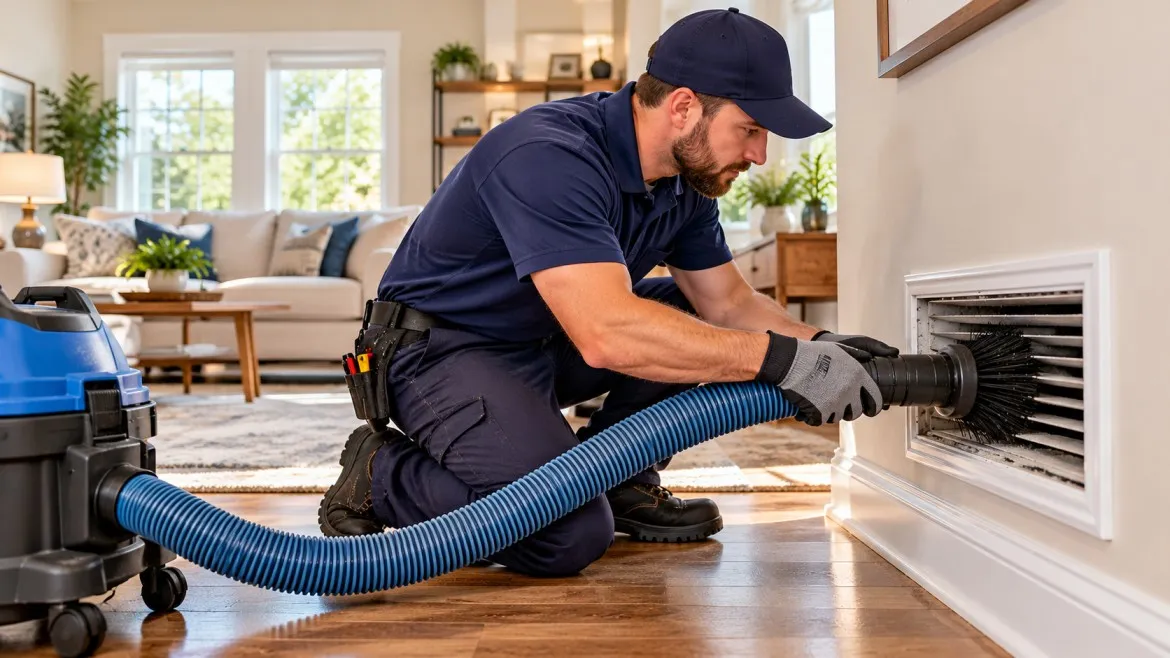
Maintaining a comfortable indoor environment in Carrollton requires a reliable forced-air climate control system. Throughout the year, heating and cooling units move thousands of cubic feet of air through internal ductwork, supply registers, and return grilles. Over time, floating dust, pollen, pet dander, and microscopic particulates settle along internal air pathways.
While replacing air filters regularly is an important first step, filter maintenance alone cannot address accumulated debris deep within trunk lines or mechanical components. Understanding how ventilation systems collect dust, how local climate conditions influence indoor air quality, and how proper cleaning methods work enables homeowners to maintain cleaner vents, lower energy costs, and protect their home's mechanical equipment.
Why Vent Hygiene Matters in Carrollton Homes
Carrollton experiences distinct environmental shifts throughout the year, ranging from humid summer heatwaves to sudden cold snaps in winter. These temperature fluctuations keep central climate control systems operating frequently, drawing continuous volumes of indoor and outdoor air through distribution channels.
| Seasonal Factor | Environmental Pollutant | System and Indoor Impact |
|---|---|---|
| Spring and Summer Pollen | High pollen loads from oak, ragweed, and native grasses | Enters return grilles and settles along static-charged duct walls, triggering seasonal allergies. |
| Windblown Topsoil and Dust | Ambient dust and dirt carried by regional North Texas winds | Bypasses standard return filters and forms thick particulate mats inside supply registers. |
| Summer Humidity Cycles | Trapped moisture from air conditioning evaporator coils | Binds settled dust together, creating a sticky layer that catches additional passing particles. |
| Winter Furnace Activation | Thermal heat reacting with dormant, settled debris | Bakes accumulated dust and releases dry, burnt odors throughout occupied living areas. |
Because modern homes are sealed tightly to maximize energy efficiency, indoor air recirculates repeatedly through the same air ducts. When dust and dander accumulate inside these channels, every heating or cooling cycle redistributes fine particles into bedrooms, kitchens, and living spaces.
Common Indicators of Dirty Vents and Restricted Airflow
Recognizing early warning signs allows homeowners to address ventilation hygiene before air quality deteriorates or system components experience mechanical strain.
| Indicator | Visual or Operational Sign | Primary Cause |
|---|---|---|
| Rapid Dust Accumulation | Tables and shelves collect fresh dust shortly after cleaning | Air pressure from supply registers dislodges settled particles from duct walls. |
| Dark Vent Staining | Grey or black lint rings around ceiling and wall register grilles | Fine dust particles escaping register boots and sticking to surrounding drywall. |
| Persistent Stale Odors | Musty or dusty smells whenever the fan blower switches on | Organic matter, pet dander, and trapped humidity sitting in main return plenums. |
| Uneven Temperature Distribution | Certain rooms remain warm or cool regardless of thermostat settings | Heavy dust mats near branch dampers or register boots restricting air output. |
| Rising Utility Expenses | Unexplained increases in monthly electricity consumption | Airflow resistance forcing the blower motor to draw more power and run longer cycles. |
How Professional Ventilation Cleaning Works
Cleaning a residential air distribution network requires specialized equipment and methodical execution to ensure that dislodged debris is completely captured rather than released into living areas.
| Process Phase | Action Performed | System Objective |
|---|---|---|
| 1. Containment Setup | Seal registers and inspect return/supply connections | Isolates the duct network to direct air toward the extraction point. |
| 2. Negative Pressure | Connect HEPA-filtered vacuum unit to main trunk line | Maintains continuous inward suction to trap dislodged particles. |
| 3. Mechanical Agitation | Run rotary air whips, brushes, and air sweeps through ducts | Dislodges caked-on dust, dander, and debris from internal pipe walls. |
| 4. Source Extraction | Pull loosened contaminants out through negative pressure | Completely removes debris from the system without fouling living spaces. |
1. System Evaluation and Containment Setup
Technicians begin by inspecting return vents, supply grilles, and plenum connections to evaluate overall debris levels. Supply registers across the home are sealed temporarily to isolate the airflow network.
2. Establishing Negative Pressure
A commercial-grade negative air collection unit equipped with high-efficiency particulate air (HEPA) filtration connects to the main trunk line near the air handler. This powerful extraction unit creates continuous suction, pulling air inward toward the collection container.
3. Mechanical Agitation and Debris Removal
Working systematically from the furthest vent back to the main air handler, specialized tools dislodge settled matter from duct walls:
- Rotary Air Whips: Flexible lines with whipping rubber fingers sweep internal surfaces clean without damaging flex duct liners.
- Motorized Brushing Systems: Spinning brush heads scrub rigid metal trunk lines to remove caked-on dust mats.
- Compressed Air Sweeps: High-velocity air nozzles drive loose particles out of tight elbow turns toward the main vacuum line.
Homeowners seeking specialized local care can rely on experienced professionals like Warrior Air Duct & Chimney in Carrollton to perform high-pressure extraction and complete source removal across supply lines, return chases, and main air handler units.
Mechanical Efficiency and Energy Savings
A clean air distribution network directly protects heating and cooling hardware while lowering monthly operating costs. High-efficiency heat pumps and gas furnaces require balanced airflow to transfer heat effectively.
| Mechanical Component | Uncleaned Condition | Cleaned Condition |
|---|---|---|
| Blower Fan Motor | Dust coats curved fan blades, increasing weight and electrical draw | Smooth, lightweight blade rotation with low electrical amperage draw |
| Evaporator Coil | Dust forms an insulating blanket over aluminum thermal fins | Unrestricted heat absorption, preventing coil freezing and long cycles |
| System Static Pressure | High internal resistance stresses duct seams and blower bearings | Balanced static pressure matching original manufacturer design specs |
| Energy Consumption | Elevated power bills due to long operating cycles | Lower utility costs and reliable seasonal system performance |
Removing internal obstructions lowers static pressure, allowing conditioned air to travel freely through supply lines. This reduces mechanical strain on expensive internal components like compressors and blower motors, extending the overall operating lifespan of the system.
Practical Checklist for Maintaining Clean Vents
To keep indoor air clean and preserve system performance between professional service visits, follow this straightforward maintenance routine:
- Replace Air Filters Regularly: Install fresh, properly fitted pleated filters rated between MERV 8 and MERV 11 every 30 to 60 days.
- Vacuum Register Covers Monthly: Use a soft brush vacuum attachment to remove loose surface lint from supply and return grilles.
- Keep Return Vents Unobstructed: Maintain at least two feet of clear space around return grilles by moving heavy drapes, area rugs, and furniture.
- Seal Vents During Remodeling: Cover supply and return openings with plastic wrap when painting, sanding drywall, or replacing flooring to keep construction dust out of ductwork.
- Check Dryer Exhaust Lines: Inspect and clean the dryer vent line annually to prevent lint backpressure from affecting laundry room air quality.
Ensuring Long-Term Indoor Air Hygiene
Prioritizing ventilation hygiene improves daily home comfort, protects expensive HVAC equipment, and ensures clean indoor air year-round. By recognizing the warning signs of restricted airflow, maintaining clean return filters, and utilizing professional extraction services when deep dust accumulates, Carrollton homeowners can enjoy an efficient climate control system and a healthier living environment.
Related Reading
Expert Insights: Navigating the Complex World of Home Improvement
Welcome to our in-depth exploration of Home Improvement. In an era defined by ra...
Why Home Improvement is Transforming the Global Industry Landscape
Welcome to our in-depth exploration of Home Improvement. In an era defined by ra...