Career Opportunities You Can Pursue After Graduating From An Interior Design College
98 Views
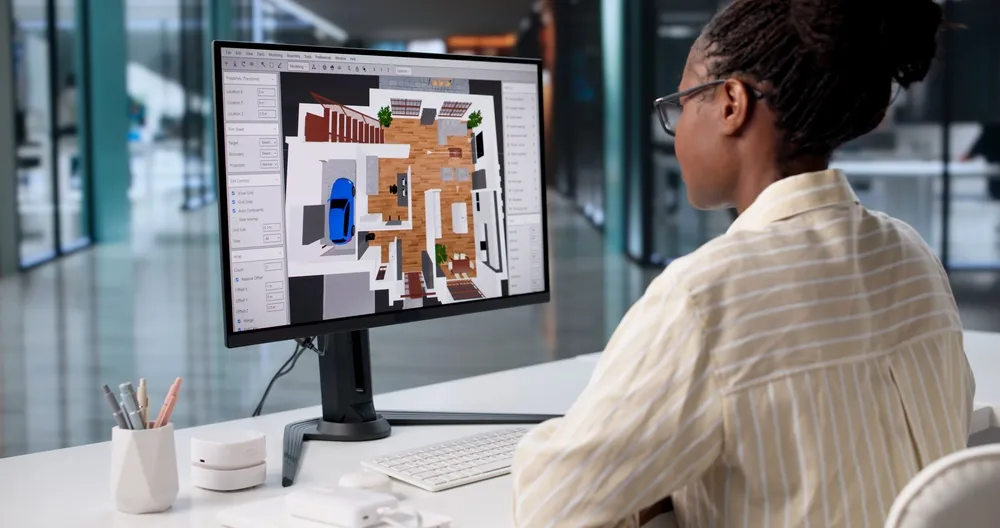
When most people hear the term interior design, they often imagine selecting furniture, choosing color palettes, or creating visually appealing spaces. While aesthetics certainly play a role, the profession extends far beyond decoration. Modern interior design sits at the intersection of creativity, functionality, technology, human behavior, and spatial planning. Designers are expected to understand how people interact with environments and how those environments can be improved to support comfort, productivity, well-being, and experience.
As urban development accelerates and expectations around living, working, and commercial spaces continue evolving, the demand for skilled design professionals has expanded significantly. This growth has encouraged many students to pursue education through an interior design college, hoping to build careers in a field that combines artistic expression with practical problem-solving.
One of the most encouraging aspects of interior design education is the variety of professional paths available after graduation. A design degree does not limit graduates to a single career option. Instead, it opens doors to multiple industries, allowing individuals to align their careers with their interests, strengths, and long-term aspirations.
Why Interior Design Skills Are Relevant Across Industries
Interior design education develops much more than visual creativity. Students learn spatial planning, material selection, design communication, project coordination, digital visualization, sustainability principles, and client interaction. These capabilities are valuable because nearly every built environment requires thoughtful design decisions.
Homes, offices, hospitality spaces, healthcare facilities, educational institutions, retail environments, and entertainment venues all rely on design professionals to create spaces that function effectively while supporting user needs.
As a result, graduates often find opportunities in sectors that extend well beyond traditional residential design.
Residential Interior Design Remains a Popular Career Choice
For many graduates, residential design serves as the starting point of their professional journey. Residential designers work with homeowners, developers, and property consultants to create living spaces that balance functionality, comfort, and personal style.
Projects may range from compact apartments to luxury residences, with responsibilities including:
● Space planning
● Material selection
● Furniture specification
● Lighting design
● Client consultation
● Design visualization
Residential projects often provide opportunities for designers to work closely with clients and directly influence how people experience their everyday environments.
Commercial Interior Design Offers Diverse Opportunities
Commercial spaces present different challenges than residential projects. Businesses require environments that support productivity, customer engagement, operational efficiency, and brand identity.
Commercial designers may work on:
● Corporate offices
● Retail stores
● Restaurants
● Shopping centers
● Co-working environments
● Service facilities
These projects often involve collaboration with architects, engineers, contractors, and business stakeholders. The ability to balance aesthetics with business objectives becomes particularly important in commercial design environments.
Hospitality Design Continues to Grow
Hotels, resorts, restaurants, and entertainment venues place significant emphasis on guest experience. Design plays a major role in shaping how visitors perceive and interact with these environments.
Hospitality designers focus on creating spaces that are both functional and memorable. Their work may include:
● Guest rooms
● Reception areas
● Dining spaces
● Lounge environments
● Event facilities
The hospitality sector often appeals to designers who enjoy creating immersive experiences and working on large-scale projects.
Workplace Design Is Becoming Increasingly Specialized
The way people work has changed dramatically over the past decade. Organizations are rethinking office environments to support collaboration, flexibility, employee well-being, and productivity.
As a result, workplace design has emerged as a specialized area within the broader interior design profession.
Designers working in this field may focus on:
● Hybrid work environments
● Collaborative workspaces
● Employee wellness features
● Space utilization strategies
● Workplace technology integration
The demand for innovative workplace solutions continues creating opportunities for skilled professionals.
Common Career Paths After Interior Design Education
Career Path Primary Focus
Residential Interior Designer Home environments
Commercial Interior Designer Business spaces
Hospitality Designer Guest experiences
Workplace Designer Office environments
Retail Designer Consumer-facing spaces
Exhibition Designer Event and display environments
These roles represent only a portion of the opportunities available within the design industry.
Retail Design Blends Creativity and Consumer Behavior
Retail environments are carefully designed to influence customer experience. Store layouts, visual displays, circulation paths, lighting strategies, and product presentation all contribute to how shoppers engage with a space.
Retail designers help create environments that support both customer satisfaction and business performance.
Responsibilities often include:
● Store planning
● Visual merchandising integration
● Customer flow analysis
● Brand experience design
● Display coordination
For designers interested in consumer psychology and commercial strategy, retail design can be an exciting career path.
Exhibition and Event Design Provides Dynamic Opportunities
Not every design project is permanent.
Exhibitions, trade shows, events, and experiential installations require temporary environments that communicate messages effectively while creating memorable experiences.
Designers in this field often work on:
● Exhibition booths
● Museum displays
● Event spaces
● Promotional environments
● Interactive installations
These projects typically involve shorter timelines and high levels of creativity, making the field appealing to professionals who enjoy variety and innovation.
Sustainable Design Is Creating New Career Possibilities
Sustainability has become a significant consideration across the built environment sector.
Organizations increasingly seek ways to reduce environmental impact while improving resource efficiency and occupant well-being.
Interior designers contribute by focusing on:
● Sustainable materials
● Energy-conscious planning
● Waste reduction strategies
● Environmentally responsible design solutions
As sustainability continues influencing industry practices, professionals with expertise in this area may find growing opportunities across multiple sectors.
Design Visualization and Digital Modeling
Technology has transformed how design concepts are developed and communicated.
Many graduates choose to specialize in design visualization, creating detailed representations that help clients and stakeholders understand proposed spaces before construction begins.
Areas of focus may include:
● 3D modeling
● Rendering
● Virtual walkthroughs
● Digital presentations
● Visualization technologies
These skills are increasingly valuable because visual communication plays a central role in modern design workflows.
Furniture and Product Design
Some interior design graduates develop a particular interest in furniture, fixtures, and product development.
This specialization focuses on designing individual elements that contribute to overall spatial experiences.
Potential career opportunities include:
● Furniture design
● Product development
● Custom design solutions
● Material innovation
● Manufacturing collaboration
The field combines technical knowledge with creative exploration and often appeals to detail-oriented designers.
Entrepreneurship Is a Viable Path
Many design professionals eventually establish independent practices or creative businesses.
Entrepreneurship allows designers to build their own client base, develop unique service offerings, and create specialized niches within the industry.
Examples include:
● Interior design studios
● Design consulting services
● Styling businesses
● Visualization services
● Design-build partnerships
Success in entrepreneurship often requires combining design expertise with business management skills.
How Design Education Supports Broader Creative Industries
Modern creative industries increasingly overlap.
Skills developed within design education often extend into related disciplines such as digital media, user experience, animation, and entertainment design.
Interestingly, students researching creative education pathways sometimes compare design disciplines with programs offered by the best game designing colleges in India because both fields emphasize visual communication, user engagement, storytelling, and creative problem-solving.
Although the industries differ, the underlying creative processes often share common foundations.
The Importance of Building a Strong Portfolio
Regardless of career direction, a portfolio remains one of the most valuable assets for design graduates.
Employers and clients frequently evaluate portfolios to understand how candidates think, solve problems, and communicate ideas.
Portfolio Elements That Matter
Portfolio Component Purpose
Concept Development Demonstrates creativity
Technical Drawings Shows technical competence
3D Visualizations Supports communication
Project Documentation Highlights process thinking
Material Selection Reflects practical knowledge
A strong portfolio often plays a major role in securing professional opportunities.
Creative Industries Continue Expanding
The growing emphasis on user experience, environmental quality, and functional design has expanded opportunities across creative professions.
Whether designing homes, workplaces, hospitality environments, retail experiences, or digital visualizations, interior designers continue contributing to how people interact with spaces.
This broad relevance helps explain why design careers remain attractive to students seeking both creativity and professional versatility.
The same creative mindset that attracts students toward programs offered by the best game designing colleges in India often supports success in interior design as well. The ability to understand users, solve problems, communicate visually, and think strategically remains valuable across multiple creative industries.
Conclusion
Graduating from an interior design college can lead to a wide variety of professional opportunities across residential, commercial, hospitality, workplace, retail, exhibition, sustainability, visualization, and entrepreneurial sectors.
The discipline combines creativity with technical knowledge, allowing graduates to contribute meaningfully to how people experience the spaces around them. As industries continue placing greater emphasis on design quality, functionality, and user experience, demand for skilled professionals is likely to remain strong.
Institutions such as DIT University, often recognized among students evaluating options for the best university in Dehradun, help prepare aspiring designers with the knowledge, practical skills, and creative foundation needed to pursue these diverse and evolving career paths.
Related Reading
Expert Insights: Navigating the Complex World of Education & Learning
Welcome to our in-depth exploration of Education & Learning. In an era defin...
Why Education & Learning is Transforming the Global Industry Landscape
Welcome to our in-depth exploration of Education & Learning. In an era defin...