Care Plan Documentation for Better Resident Care
By leo Abner
27 Views
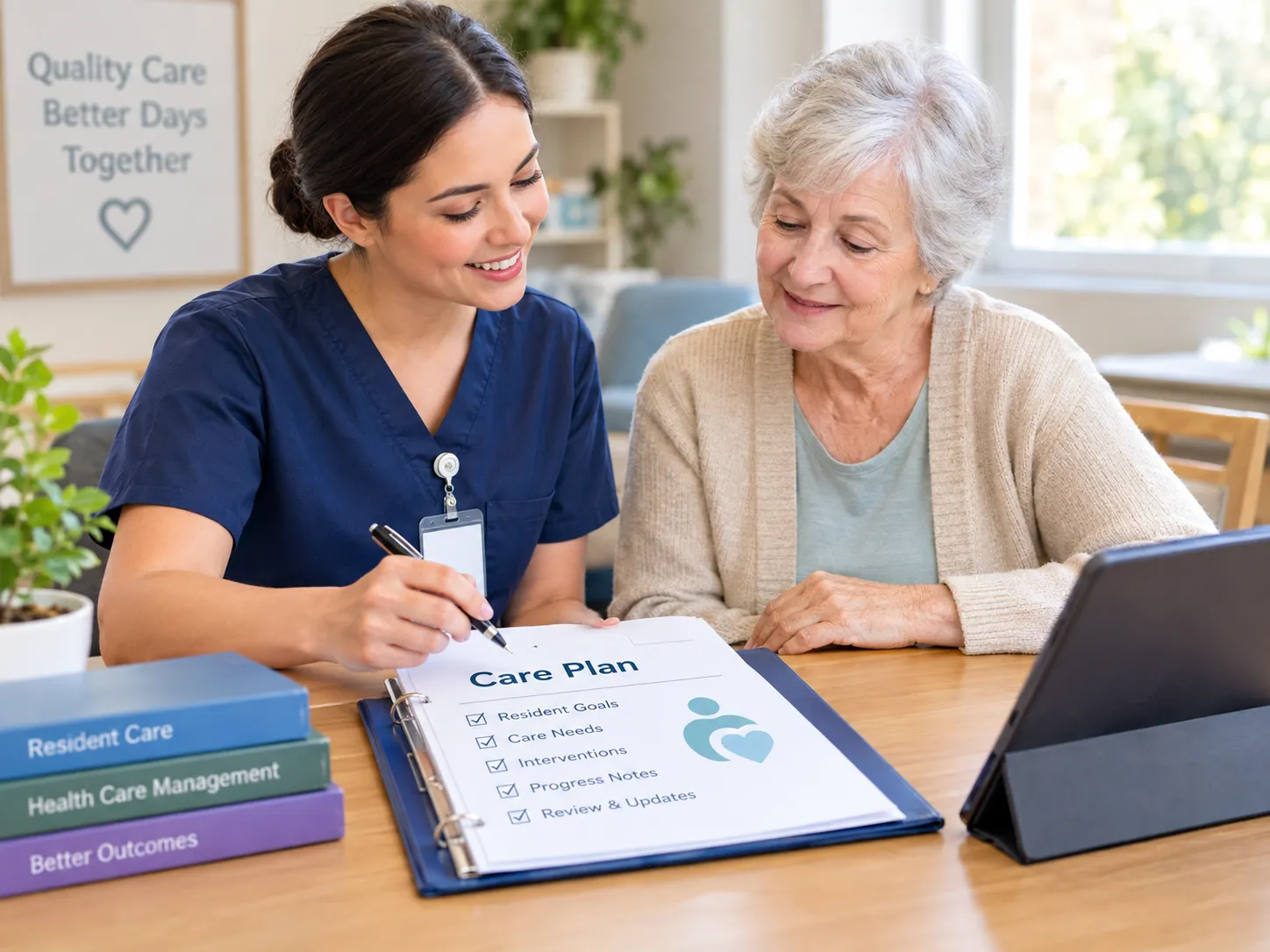
Providing consistent care requires more than completing daily tasks. Care teams need a clear understanding of each resident’s needs, preferences, health concerns, goals, and progress. Care plan documentation brings this information together so caregivers and other authorized staff can follow a structured approach to daily care.
A well-maintained care plan can also help reduce communication gaps. When information is documented clearly, team members can better understand what has been completed, what needs attention, and how a resident’s condition has changed.
For assisted living, memory care, and other senior care settings, accurate documentation can become an important part of everyday health care management.
What Is Care Plan Documentation?
Care plan documentation is the process of recording a resident’s care needs, goals, interventions, preferences, progress, and changes over time.
A care plan may include information such as:
- Personal care requirements
- Medication-related needs
- Mobility and fall risks
- Nutrition and hydration concerns
- Behavioral observations
- Cognitive support needs
- Communication preferences
- Activities and social engagement
- Medical appointments
- Care goals and interventions
- Changes in resident condition
The exact information included depends on the resident and the requirements of the care setting.
The purpose is not simply to create a record. The documentation should provide useful information that helps authorized care team members understand how to provide appropriate and consistent support.
Why Accurate Documentation Matters
Care teams often work across different shifts. One caregiver may notice a change that another team member needs to know about later.
Without clear documentation, important details can be missed or misunderstood.
For example, a resident may begin eating less than usual. A caregiver who records the change gives the team an opportunity to monitor the situation and follow the appropriate care process. If the information is only communicated verbally, it may not reach everyone who needs it.
Accurate records can support:
- Better communication between caregivers
- Consistent care delivery
- More informed decision-making
- Easier tracking of resident progress
- Identification of changes in needs
- Better coordination between care professionals
- Organized resident records
Documentation therefore becomes part of the communication system within a care organization.
Connecting Care Plans With Daily Activities
A care plan is most useful when it connects documented goals with actual daily care.
Suppose a resident has a mobility-related goal. The care plan may outline appropriate assistance, mobility precautions, and monitoring requirements. Daily documentation can then show how the resident responded to those interventions.
This creates a clearer connection between the planned approach and the care provided.
The same principle can apply to nutrition, personal care, behavioral support, medication routines, and other areas of resident services.
Tracking Changes in Resident Needs
Residents’ needs can change over time. A care plan that remains unchanged despite significant changes in a resident’s condition may no longer accurately reflect current needs.
Regular documentation helps teams identify patterns and recognize when information may need to be reviewed.
For example, repeated notes about difficulty sleeping, changes in appetite, increased confusion, or reduced mobility may provide useful information for the appropriate care professionals to evaluate.
Documentation does not replace professional assessment. Instead, it provides an organized record that can support communication and review.
Supporting Better Health Care Management
Effective health care management depends heavily on accurate information. Care teams need reliable records to coordinate services, monitor progress, and understand what has happened over time.
Care plan records can help connect different parts of the resident care process. Information from assessments, progress notes, daily observations, appointments, and care interventions can provide a more complete picture of a resident’s needs.
Digital systems can make this process easier by keeping relevant information organized and accessible to authorized users.
Instead of searching through multiple paper files or disconnected records, staff may be able to find important information within a centralized care management system.
Common Problems With Care Plan Records
Documentation problems can affect communication and workflow. Common issues include incomplete notes, inconsistent terminology, missing updates, duplicate information, and delayed entries.
Another challenge is documentation that contains too little useful detail.
For example, a note stating that a resident was “fine” provides limited information. A more useful record may describe the relevant observation, action taken, and response, according to the organization’s documentation procedures.
Staff training and clear documentation standards can help improve consistency.
Using Technology to Improve Documentation
Many senior care organizations are moving from paper-based records to digital documentation tools. Electronic care management platforms can help organize resident information, care plans, progress notes, schedules, and other operational records.
Useful features may include:
- Centralized resident profiles
- Digital care plans
- Progress note tracking
- Task management
- Medication documentation
- Appointment scheduling
- Caregiver communication
- Reporting tools
- Permission-based access
- Record history and updates
Technology does not automatically create good documentation. The quality of the information still depends on staff practices, organizational procedures, and appropriate review.
However, a well-designed system can reduce repetitive administrative work and make information easier to organize.
Tips for Creating More Useful Care Documentation
Care teams can improve documentation by following consistent practices established by their organization.
Be Clear and Specific
Use straightforward language and document relevant observations rather than vague statements.
Record Information Promptly
Documentation should be completed according to organizational policies and applicable requirements so important details are not forgotten.
Focus on Relevant Information
Include information that helps explain the resident’s condition, care needs, interventions, and response.
Keep Information Current
Care plans should be reviewed and updated according to the resident’s changing needs and the organization’s procedures.
Maintain Consistency
Using standardized documentation practices can make records easier for different team members to understand.
Building a More Connected Care Process
Care plan documentation works best as part of a larger resident care workflow. Assessments identify needs, care plans establish goals and interventions, daily documentation records what occurs, and ongoing review helps teams respond to changes.
This creates a continuous process rather than a one-time documentation task.
When records are clear, current, and accessible to authorized team members, they can support stronger communication and more organized care delivery.
For assisted living and senior care organizations, improving documentation can also help staff spend less time searching for information and more time focused on resident needs. The goal is not simply to produce more records, but to maintain information that is useful, accurate, and connected to the care being provided.