Can PRP Reverse Early Signs of Aging? A Netherlands-Based Guide for Women Over 40
By Micael Stone
177 Views
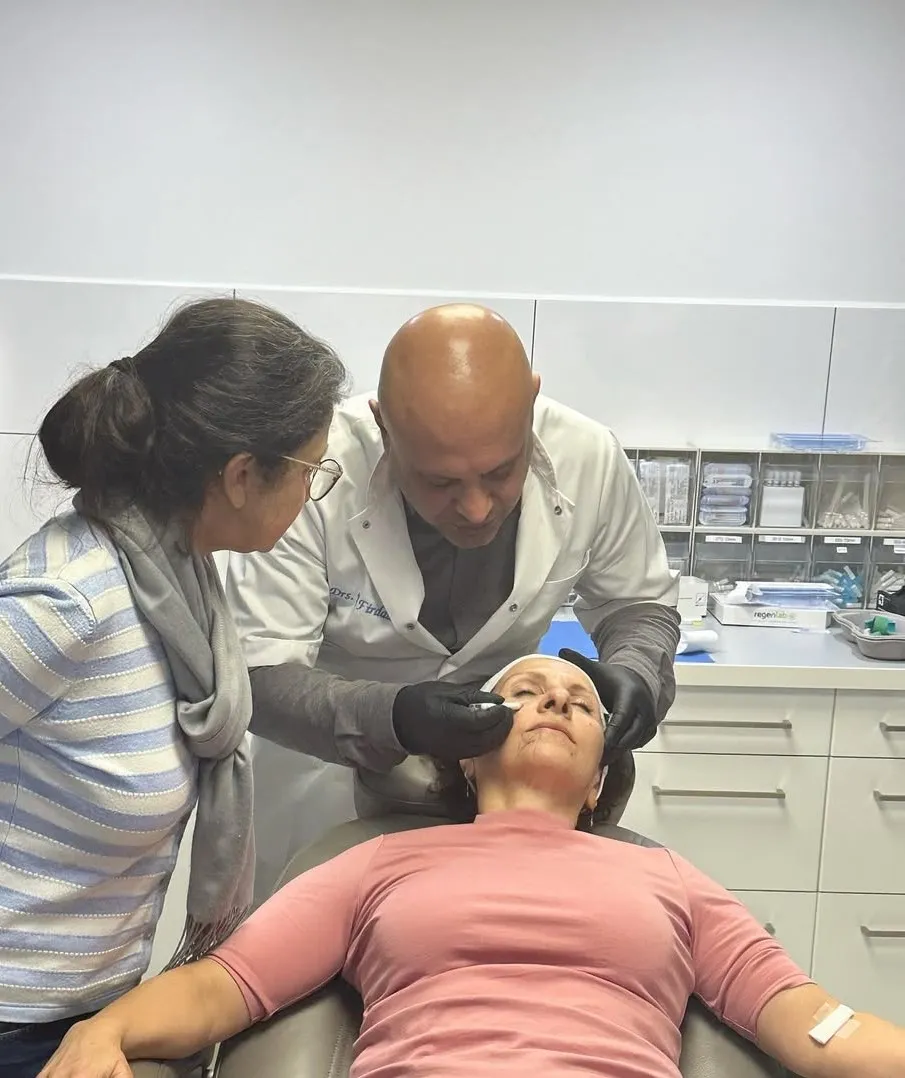
In 2026, beauty writer Wendy Rose Gould shared her real under-eye PRP experience in Women’s Health. She wanted to treat fine lines and dark circles, but she was not looking for a dramatic cosmetic change. She wanted her under-eye area to look fresher and less tired.
After the treatment, she had mild puffiness and bruising. Later, she noticed her under-eye skin looked a little brighter and smoother. Her result was not extreme. It was subtle, natural, and realistic.
That is why her story connects with many women over 40 in the Netherlands. Most women are not trying to look like someone else. They just want their skin to look healthier, fresher, and less tired.
So, can PRP reverse early signs of aging?
The honest answer is no. PRP cannot truly reverse aging. No treatment can stop the natural aging process. But PRP may help improve some early aging signs in certain women, especially when the concern is skin texture, dullness, fine lines, or thin-looking skin.
The key is understanding what PRP can do, what it cannot do, and how to choose a safe provider in the Netherlands.
What PRP Means in Simple Words
PRP stands for platelet-rich plasma. It is made from your own blood.
A small amount of blood is taken from your arm. That blood is placed in a centrifuge. This machine spins the blood at high speed and separates the platelet-rich plasma from the rest of the blood.
Platelets are small blood cells that help with clotting and healing. They also contain growth factors. These growth factors are one reason PRP is used in skin and hair treatments.
In aesthetic skin care, PRP is usually injected into the skin or used with microneedling. The goal is to support your skin’s natural repair process.
If you are researching prp for early aging signs, it helps to know that PRP is not the same as Botox or filler. Botox relaxes muscles. Fillers add volume. PRP focuses more on skin quality.
That means PRP is not a quick fix. It is a gradual treatment. When it works well, the result is usually smoother texture, fresher skin, and mild improvement in fine lines.
Why Women Over 40 Notice Skin Aging More Clearly
Many women start seeing skin changes in their 40s. This usually does not happen suddenly. It starts slowly.
Your skin may look dull in the morning. Fine lines may stay visible after smiling. The under-eye area may look thinner. Makeup may sit differently on the skin. Your face may look tired even after a good sleep.
A big reason is collagen. Collagen helps keep skin firm and smooth. As we age, collagen production slows down. Elastin also changes. Elastin helps the skin bounce back. When both begin to decline, the skin may feel less firm and less fresh.
Hormones also play a major role. Many women over 40 are in perimenopause or moving toward menopause. A 2025 Journal of Cosmetic Dermatology review explained that falling estrogen levels can reduce collagen production, moisture, elasticity, and skin thickness. This can lead to dryness, fine lines, and weaker skin texture.
This is why aging after 40 often feels different from aging in your 30s. It is not only about wrinkles. It is also about how the skin behaves.
Why This Topic Matters for Women in the Netherlands
This topic is very relevant for Dutch women because the Netherlands has a large midlife population.
Statistics Netherlands (CBS) reported that the Netherlands had 18,044,027 residents at the start of 2025. Out of these, 9,065,576 were women. CBS also reported that the average age of women in the Netherlands was 43.6 years.
That number matters because it fits the audience of this guide. Many Dutch women are at the age where early aging signs become more visible. At the same time, many prefer natural-looking results. They do not want treatments that make the face look frozen or overfilled.
There is also more interest in non-surgical aesthetic treatments. A Netherlands-based study by Decates and colleagues found an upward trend in injectable treatments in the Netherlands between 2016 and 2019. This does not mean every woman wants injectables, but it does show that non-surgical cosmetic treatments are becoming more common.
For women over 40, PRP can feel interesting because it uses their own blood plasma. It may sound more natural than some other treatments. Still, natural does not always mean risk-free. PRP involves blood handling and injections, so safety matters.
Can PRP Really Reverse Aging?
The word “reverse” sounds strong, but it can be misleading.
PRP may help support skin repair. It may improve skin texture, dullness, mild fine lines, and freshness in some people. But it cannot stop biological aging. It cannot make a 45-year-old face look 25 again. It cannot lift heavy sagging skin or remove deep wrinkles.
The American Academy of Dermatology says PRP may help some patients see fewer wrinkles or less sagging. But it also says PRP cannot make the face look the way it did years ago.
That is the most balanced way to understand it.
PRP may help with:
- Dull or tired-looking skin
- PRP may support skin repair and improve the way the skin reflects light. This can make the face look fresher over time.
- Mild fine lines
- PRP may help soften early lines, especially when they are linked to poor skin texture or dryness. It is not meant for deep folds.
- Rough skin texture
- Some people use PRP because their skin feels uneven or less smooth. PRP may support a healthier surface feel.
- Thin-looking skin
- PRP is often considered for areas where the skin looks delicate, such as under the eyes. Results vary because this area is complex.
- Early crepey skin
- Mild crepey texture may improve if the skin responds well. PRP cannot tighten loose skin like surgery.
- Loss of natural glow
- Some people notice that their skin looks fresher after a series of treatments. This change is usually subtle.
PRP is less suitable for:
- Deep wrinkles
- Deep lines usually need a different treatment plan. PRP may not be strong enough on its own.
- Heavy skin sagging
- PRP cannot lift skin in the way surgery or certain tightening treatments can.
- Major volume loss
- If the face has lost volume, fillers or other medical options may be discussed instead.
- Strong under-eye hollowness
- PRP may help skin quality, but it cannot fully correct bone structure or deep hollows.
- Pigment-only dark circles
- If dark circles are caused mainly by pigment, PRP may not be the best solution.
So, PRP may improve early aging signs. It does not reverse aging in the true sense.
What Research Says About PRP for Facial Aging
The research on PRP is mixed. Some studies suggest PRP can help with skin quality. Other studies show limited or unclear results.
A 2024 Blood Transfusion overview of systematic reviews looked at PRP for facial rejuvenation. It reviewed 13 systematic reviews published between 2015 and 2023. The researchers found that PRP is widely used, but the evidence is still limited. One reason is that studies use different PRP systems, treatment methods, and result measurements.
This is important because not all PRP treatments are the same. One clinic may use one system. Another may use a different system. One study may combine PRP with microneedling. Another may use injections only. This makes it harder to give one simple answer for everyone.
A 2024 Mayo Clinic randomized clinical trial studied PRP for facial skin aging in women aged 45 years and older. PRP was used on one side of the face and saline on the other side. Microneedling was used on the whole face. At 16 and 24 weeks, researchers did not find clear improvement from PRP compared with saline or baseline.
That may sound disappointing, but it is useful information. It helps keep expectations honest.
At the same time, real-world experiences and some clinical reports show that certain people do notice smoother texture and a fresher look. This means PRP may help some women, but it should never be sold as a guaranteed anti-aging treatment.
After hours of research, the most honest conclusion is this: PRP can be a useful skin-quality treatment for some women, but results vary from person to person.
What Happens During a PRP Treatment?
A PRP treatment usually starts with a consultation. This step is important because the provider needs to understand your skin, health history, medication use, and goals.
After that, a small amount of blood is taken from your arm. The blood is placed in a centrifuge. The platelet-rich plasma is separated and prepared for use.
Then the PRP is placed into the skin. This may be done through small injections or combined with microneedling. The method depends on the treatment area and the provider’s approach.
The American Academy of Dermatology says PRP treatment for aging skin often uses around 2 to 4 tablespoons of blood. The full process may take about 45 minutes to 1 hour.
Here is what usually happens in simple steps:
- Consultation first
- The provider checks your skin concern and medical history. This helps decide if PRP is suitable for you.
- Blood draw
- A small amount of blood is taken from your arm, similar to a normal blood test.
- Centrifuge process
- The blood is spun so the platelet-rich plasma can be separated.
- Treatment application
- PRP is injected into the skin or used with microneedling, depending on the area and treatment goal.
- Short recovery period
- Redness, swelling, tenderness, or small bruises may happen. These effects are usually temporary.
Most people can return to normal daily life soon after treatment, but the skin may not look calm right away.
When Can You Expect Results?
PRP does not work like filler. With filler, volume can be visible right away. With PRP, the result depends on your body’s repair response.
Some people notice a fresh glow after a few weeks. Others need a series of sessions before they see a clear change. Some may only see a small difference.
For early aging signs, the result may look like:
- Smoother skin texture
- The skin may feel more even and refined over time.
- A fresher skin tone
- Some people notice their face looks less dull after the skin has healed.
- Mild softening of fine lines
- Fine lines may look less sharp, especially if the skin becomes more hydrated and healthy-looking.
- Less tired-looking skin
- This is often the main goal for women over 40. The face may look more rested without looking “done.”
- Slight improvement in firmness
- PRP may support the skin, but it should not be expected to lift sagging areas.
These changes are usually subtle. A friend may not ask what treatment you had. They may simply say you look well. That is often the type of result women want from PRP.
PRP for Under-Eye Aging: What to Know
The under-eye area is one of the most common reasons women ask about PRP. After 40, this area can look thinner, darker, or more tired.
PRP may help if the issue is linked to thin skin or mild texture changes. It may support the skin and make the area look slightly fresher over time.
But under-eye aging is complex. Dark circles can come from many causes.
- Pigment
- If the skin itself has darker pigment, PRP may not be enough.
- Visible blood vessels
- Thin under-eye skin can make blood vessels more visible. PRP may help skin quality, but results vary.
- Natural hollowness
- If the under-eye area is hollow because of bone structure or volume loss, PRP may not correct it fully.
- Allergies or poor sleep
- Puffiness and darkness can also come from lifestyle or health factors. PRP cannot fix every cause.
- Skin thinning
- This is where PRP may be more useful, especially if the goal is better texture and freshness.
The real Women’s Health story is useful here because the result was not exaggerated. The writer described natural improvement, not a dramatic transformation. That is a realistic way to think about PRP under the eyes.
Is PRP Safe?
PRP is often called natural because it uses your own blood. But it is still a medical-style procedure. It involves blood, needles, and skin injury. That means safety depends on training, hygiene, and correct technique.
The biggest safety issue is not the plasma itself. It is how the blood is handled.
The CDC 2024 MMWR investigation reported HIV transmission linked to PRP microneedling facials at an unlicensed spa in New Mexico. Investigators identified 59 clients at risk, including 20 who had PRP with microneedling. This case showed what can happen when infection control is poor.
This should not scare people away from PRP when it is done properly. But it should remind readers that PRP should never be treated like a normal beauty facial.
In the Netherlands, this matters even more because cosmetic procedures involving injections are not casual treatments. Business.gov.nl explains that injection-based cosmetic procedures should be performed by qualified and competent professionals. The BIG register can also be used to check registered healthcare professionals.
How to Choose a PRP Provider in the Netherlands
Choosing the right provider is more important than choosing the cheapest price.
A safe provider should explain the treatment clearly. They should talk about risks, downtime, results, and limits. They should also ask about your medical history before doing anything.
Before booking PRP, ask these questions:
- Who will perform the treatment?
- This matters because PRP involves blood and injections. It should not be handled casually.
- Is the provider medically qualified?
- A qualified provider is more likely to understand anatomy, hygiene, and possible risks.
- Is the provider listed in the BIG register?
- The BIG register helps people check certain healthcare professionals in the Netherlands.
- How is the blood processed?
- Blood handling should be sterile and controlled from start to finish.
- Is sterile equipment used every time?
- Needles and equipment should be single-use or properly sterilized according to medical standards.
- How many sessions are realistic for my skin?
- PRP usually works gradually, so one session may not be enough for every person.
- What result should I expect?
- A trustworthy provider will explain realistic improvement instead of promising perfect skin.
- What are the possible side effects?
- Redness, swelling, tenderness, and bruising should be discussed before treatment.
If a provider promises perfect results, be careful. If they say PRP works for everyone, be careful. If they avoid safety questions, leave. A trustworthy provider will be honest about what PRP can and cannot do.
Who May Be a Good Candidate?
PRP may be a good option for women over 40 who want subtle and natural-looking skin improvement. It may suit people who are concerned about dullness, early fine lines, rough texture, or tired-looking skin.
You may be a better candidate if:
- Your aging signs are mild to moderate
- PRP works better for skin quality than for major sagging or deep folds.
- You want natural-looking improvement
- PRP is usually subtle, so it suits people who do not want an obvious cosmetic change.
- You can wait for gradual results
- The treatment depends on the body’s repair process, so patience is important.
- You understand results can vary
- Some people respond well. Others may see only small changes.
PRP may not be suitable for everyone. The American Academy of Dermatology says PRP is not recommended for some people with hepatitis C, HIV or AIDS, blood cancer, certain cardiovascular conditions that require blood thinners, or skin cancer in the treatment area.
You should always share your medical history, medication use, allergies, and past procedures during the consultation.
PRP vs Botox and Fillers
Many women compare PRP with Botox and fillers, but these treatments have different purposes.
- Botox
- Botox works on movement-related lines, such as frown lines, forehead lines, and crow’s feet. It relaxes the muscles that create those lines.
- Fillers
- Fillers add volume or shape. They can help with hollowness, folds, and facial contouring.
- PRP
- PRP focuses more on skin quality. It may support smoother texture and a fresher look, but it does not freeze movement or add volume.
This is why PRP may appeal to women who want a quieter result. It usually does not create a dramatic change. It aims for healthier-looking skin.
The Smart Takeaway for Dutch Women Over 40
PRP cannot reverse aging in the true meaning of the word. It cannot stop time, remove every wrinkle, or rebuild the face you had in your 20s or 30s.
But PRP may help some women over 40 improve early signs of aging. It may support skin texture, freshness, mild fine lines, and a more rested look. The best results are usually natural and gradual.
For women in the Netherlands, the most important thing is safety. PRP involves blood and injections, so it should be done by a qualified professional with proper hygiene and medical standards.
A good PRP experience starts with realistic expectations. It also starts with the right provider. Ask questions. Check qualifications. Understand the limits. Do not choose a treatment only because it sounds natural or trendy.
PRP is not magic. It is not a shortcut. But for the right person, at the right time, and in the right hands, it can be a useful part of a smart aging-well plan.