Can PRP Hair Treatment treat early hair loss
87 Views
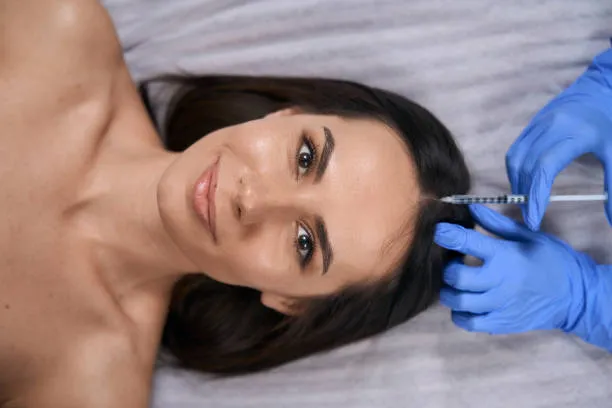
Early hair loss is often subtle, beginning with small changes in hair volume, slight thinning around the scalp, or increased shedding that gradually becomes more noticeable over time. Many people look for solutions at this stage because early intervention can make a significant difference in maintaining hair density and slowing further thinning. Among regenerative options, PRP Hair Treatment in Abu Dhabi is frequently explored by individuals seeking a natural approach to support hair health before hair loss progresses further. Understanding whether PRP Hair Treatment can effectively treat early hair loss requires a closer look at how it interacts with hair follicles and the natural growth cycle.
Understanding Early Hair Loss
Early hair loss refers to the initial stages of thinning when hair follicles begin to weaken but are still active. At this stage, the hair may not fall out in patches, but instead appears finer, less dense, and more fragile. The scalp may also become slightly more visible in certain areas, especially under bright lighting.
This phase is important because the follicles are still present and capable of producing hair, even if the strands are weaker than before. Addressing hair loss at this stage often leads to better outcomes compared to waiting until the condition progresses further.
What Is PRP Hair Treatment?
PRP Hair Treatment, or Platelet-Rich Plasma Hair Treatment, is a regenerative technique that uses a concentrated portion of platelets derived from an individual’s own blood. These platelets contain growth factors that support tissue repair, cellular renewal, and improved circulation.
When introduced into the scalp, PRP helps stimulate hair follicles and enhances the environment needed for healthy hair growth. The treatment does not add external substances to the body but instead works with its natural regenerative abilities to improve follicle function.
Can PRP Hair Treatment Treat Early Hair Loss?
PRP Hair Treatment can be particularly effective for early hair loss because the follicles are still active and responsive to stimulation. At this stage, the treatment helps strengthen weakened follicles, encouraging them to produce thicker and healthier hair strands.
By improving blood flow and delivering growth factors directly to the scalp, PRP supports the transition of follicles back into a stronger growth phase. This can help slow the progression of hair thinning and improve overall hair density.
Since early hair loss involves reversible follicle weakening rather than permanent damage, PRP is often more successful when used at this stage compared to later stages of hair loss.
Why Early Intervention Matters
The success of PRP Hair Treatment is closely linked to how early it is introduced in the hair loss process. In the early stages, follicles are still present but underperforming, which makes them more responsive to regenerative stimulation.
When treatment begins early, it helps preserve existing hair and prevent further weakening of follicles. This proactive approach supports long-term hair health and can reduce the likelihood of more advanced thinning in the future.
Early intervention also allows the natural hair growth cycle to remain more balanced, supporting consistent hair density over time.
How PRP Strengthens Weak Hair Follicles
Hair follicles require nutrients, oxygen, and healthy circulation to produce strong hair strands. When these factors are reduced, follicles become weaker and produce thinner hair. PRP Hair Treatment addresses this by delivering concentrated growth factors directly to the scalp.
These growth factors help improve cellular activity around the follicles, encouraging repair and regeneration. As a result, follicles become more efficient at producing hair, leading to improved thickness and strength.
Over time, this increased activity helps restore a healthier balance in the hair growth cycle.
What Happens During Early Treatment Response
When PRP Hair Treatment is used for early hair loss, the first noticeable changes often involve reduced shedding and improved hair texture. Hair may feel stronger and appear slightly fuller as follicles begin to respond to stimulation.
As treatment continues, more follicles may enter the active growth phase, contributing to increased density and better scalp coverage. These improvements occur gradually, reflecting the natural pace of hair growth.
Because early hair loss responds more readily, individuals often experience more noticeable stabilization of hair thinning at this stage.
Factors That Influence Effectiveness in Early Hair Loss
The effectiveness of PRP Hair Treatment in early hair loss depends on several factors, including the condition of the scalp and the responsiveness of the follicles. Since follicles are still active in early stages, they are generally more likely to respond positively to treatment.
The underlying cause of hair thinning also plays a role in outcomes. Genetic factors, stress-related shedding, and temporary disruptions in the hair cycle may respond differently, but early intervention often improves the chances of better results.
Consistency in supporting scalp health and allowing time for the natural growth cycle to progress also contributes to effectiveness.
The Role of Hair Growth Cycles in Early Treatment
Hair grows in cycles that include phases of growth, rest, and shedding. In early hair loss, these cycles may become shorter or less efficient, leading to noticeable thinning. PRP Hair Treatment helps restore balance by encouraging follicles to remain in the growth phase for longer periods.
As more follicles stay active, hair becomes denser and stronger over time. This improved cycle regulation is a key reason why early treatment can produce more stable results.
Understanding these cycles helps explain why gradual improvement is expected rather than immediate change.
Long-Term Benefits of Treating Early Hair Loss
Addressing hair loss at an early stage offers long-term advantages, particularly when using regenerative treatments like PRP. By strengthening follicles before significant damage occurs, it becomes easier to maintain hair density over time.
Early treatment can help slow the progression of thinning and support sustained hair health. As follicles remain active and continue producing strong hair strands, overall appearance improves gradually and naturally.
This proactive approach often leads to better long-term outcomes compared to delayed treatment.
Conclusion
PRP Hair Treatment can be highly effective for treating early hair loss because it works by strengthening existing follicles that are still active but weakened. By improving circulation, stimulating cellular activity, and supporting the natural hair growth cycle, the treatment helps restore healthier hair production and slow further thinning. Early intervention plays a crucial role in achieving the best results, as follicles are more responsive during the initial stages of hair loss. While improvements develop gradually, many individuals experience stronger, thicker, and more resilient hair over time, making PRP a valuable option for managing early hair loss in a natural and regenerative way.
FAQs
Q: Can PRP Hair Treatment treat early hair loss effectively?
A: Yes, it is often most effective in early hair loss when follicles are still active and responsive to stimulation.
Q: Why is PRP better for early hair loss?
A: Because follicles are still healthy enough to respond positively, making it easier to strengthen and restore hair growth.
Q: How soon can results be seen in early hair loss cases?
A: Improvements usually appear gradually over several months as hair growth cycles adjust and follicles strengthen.
Q: Can PRP stop early hair loss from progressing?
A: It can help slow progression by improving follicle health and supporting stronger, more consistent hair growth.
Q: Does PRP Hair Treatment restore hair completely in early stages?
A: It can improve density and thickness, but results vary depending on follicle condition and individual response.