Can Limestone Give Your Home a More Natural Feel?
By Harry Taylor
18 Views
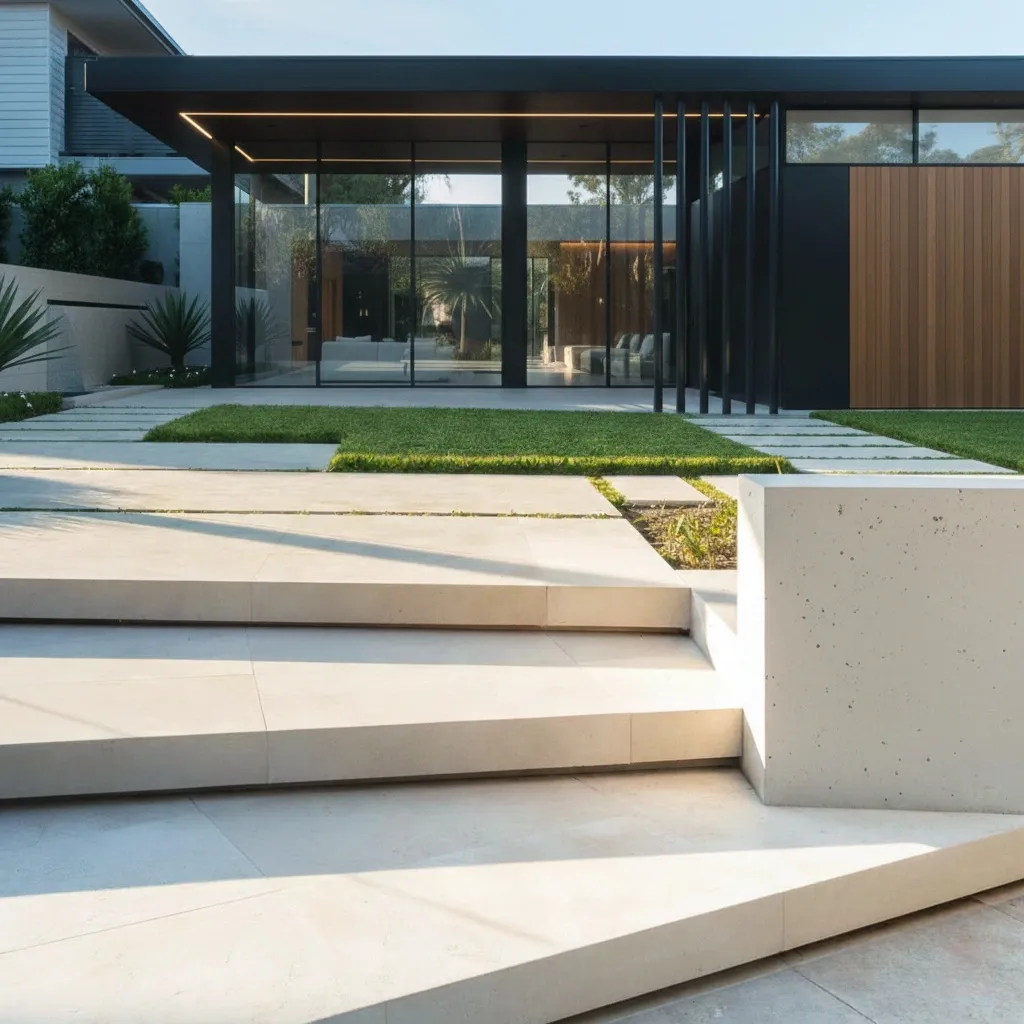
There is something about natural materials that can make a home feel more comfortable. Maybe it is the slight variation in colour, the texture you can actually see, or simply the fact that the material does not look exactly the same from one piece to the next.
Limestone is a good example. It has a softer, understated appearance that can work in both modern and traditional homes. It does not necessarily need to be the main feature of a room. Sometimes, it works best when it quietly adds texture and warmth to the space.
But can limestone really make a home feel more natural? It can, especially when it is used in the right places and paired with materials that complement it.
Start With the Overall Feel
Before choosing limestone, think about what you want your home to feel like.
If you prefer spaces that feel warm, relaxed and connected to the outdoors, limestone may fit that style quite naturally. Its earthy colours can sit comfortably alongside timber, plants, linen, rattan and other natural finishes.
You also don't need to completely redesign a room around the stone.
A limestone floor with simple furniture and plenty of natural light can be enough to change the feel of a space without making it look overly designed.
Bring a Softer Look to Indoor Spaces
Flooring has a bigger impact on a room than many people realise. It covers a large area, so its colour and texture can influence everything around it.
Limestone Tiles Sydney can be considered for areas such as living rooms, hallways, kitchens and other suitable indoor spaces. The natural variation in limestone can give a floor more character than a completely uniform manufactured surface.
Lighter limestone can help a room feel open and airy, while warmer beige and cream shades can make the space feel more relaxed.
The furniture you choose matters too. Timber tables, woven chairs, neutral rugs and soft fabrics can bring out the warmer side of the stone.
Let the Outside Feel Like an Extension of the Home
One of the nicest things about natural stone is that it can help connect indoor and outdoor spaces.
If your living room opens onto a patio or courtyard, choosing complementary colours for both areas can make the transition feel less obvious. You don't necessarily have to use exactly the same material inside and outside.
For example, a limestone interior floor could lead towards an outdoor area finished with limestone paving in a similar tone.
This is where Limestone Pavers Sydney can come into the picture. They can be used for patios, courtyards, paths and other outdoor areas where the product and finish are suitable.
Limestone and Greenery Work Well Together
If you're trying to create a natural-looking outdoor space, plants are going to play a big part.
Limestone can provide a quiet background for greenery rather than competing with it. Large leafy plants, grasses, small trees and garden beds can soften the harder surface of paving.
You could use limestone around an outdoor dining area and allow planting to surround the edges. Or create a simple garden path with limestone and let plants grow around it.
The result does not have to look perfectly neat. A little variation can actually make the space feel more relaxed.
Don't Make Everything Match
A common mistake when planning a space is trying to make every material look identical.
Natural-looking homes often have a mixture of textures.
Limestone can work with timber, brick, concrete, metal and greenery. A timber pergola over limestone paving, for example, can create a nice contrast. Indoors, limestone flooring can be balanced with painted walls and warm timber furniture.
You don't need to find ten different natural materials either. Two or three well-chosen finishes can be more than enough.
Think About Colour Carefully
Limestone is available in different tones, and the colour you choose can change the atmosphere of a space.
Cream and beige shades tend to create a warmer appearance, while grey limestone can feel a little more contemporary.
Before making a decision, take a sample home if possible. Look at it next to your walls, furniture, cabinetry or garden.
Natural stone can look surprisingly different depending on the light. A sample that appears warm in a showroom might look cooler in your home, especially in a shaded room.
Taking a little extra time at this stage can save you from making an expensive mistake later.
Outdoor Areas Need Practical Thinking Too
Limestone can look great outdoors, but appearance should not be the only consideration.
If you're looking at Limestone Pavers Sydney, think about where the paving will be installed and how the area will be used.
A busy entertaining area will have different requirements from a quiet garden path. Poolside areas need particular attention to the surface finish, drainage and water exposure.
You should also ask about sealing and ongoing care. Natural stone is not completely maintenance-free, and knowing what is involved before installation makes it much easier to look after later.
You Can Use Limestone Without Overdoing It
You don't have to cover the whole property in limestone to get a natural feel.
Sometimes a small change is enough.
A limestone floor in an entrance can give the area more character. A paved courtyard can make an unused corner of the garden more useful. Even a small limestone pathway can help connect different parts of the outdoor space.
Using the stone selectively can also keep the home from feeling too uniform.
Is Limestone the Right Choice?
If you like natural materials, subtle colour variation and spaces that feel connected to the outdoors, limestone could be worth considering.
The key is to choose it based on your home and the way you actually use the space. Think about colour, finish, foot traffic, weather exposure and maintenance before making the final decision.
If you're comparing different natural stone options, Stone Planet is also worth considering for limestone and other products for residential and outdoor projects.
Limestone will not automatically make a home feel natural on its own. But when it is combined with the right colours, plants, timber, lighting and textures, it can create a space that feels warm, relaxed and comfortable rather than overly polished.