Can Laser Carbon Peel Give You a More Refined Complexion?
42 Views
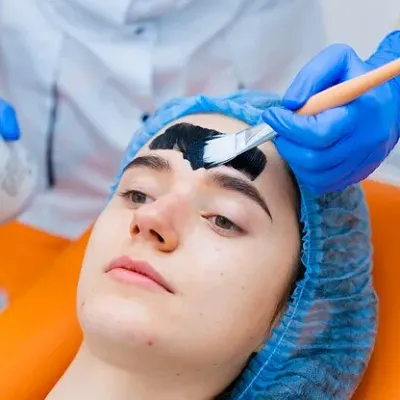
A smooth, fresh, and refined complexion is a common skin-care goal. Yet factors such as excess oil, dead skin cells, clogged pores, uneven texture, environmental exposure, and everyday stress can make the skin appear dull or rough. For people looking for a non-invasive way to refresh their appearance, Laser Carbon Peel has become an increasingly popular cosmetic treatment.
The procedure is often associated with smoother-looking skin, improved radiance, reduced surface oil, and a cleaner appearance of pores. It combines a carbon-based topical preparation with laser energy to exfoliate the skin and remove surface impurities.
But can Laser Carbon Peel really give the complexion a more refined appearance?
For some individuals, it can. The treatment may help improve the look and feel of the skin by removing surface buildup and addressing excess oil. However, the results are not identical for everyone, and a refined complexion involves more than simply removing dead skin cells. Skin type, existing concerns, lifestyle, aftercare, and treatment suitability all influence the final appearance.
Understanding what the treatment can realistically do can help individuals decide whether it fits their skin-care goals.
What Does a “Refined Complexion” Actually Mean?
A refined complexion does not necessarily mean flawless or poreless skin. Healthy skin naturally has pores, texture, and variations in tone. When people describe their skin as looking more refined, they often mean that it appears smoother, cleaner, brighter, and more even.
A refined-looking complexion may involve:
- Smoother surface texture
- Less visible surface oil
- A brighter appearance
- More even-looking skin tone
- Less noticeable pore congestion
- Reduced appearance of dullness
- A softer, healthier-looking finish
These improvements can be influenced by several factors. Regular cleansing removes surface impurities, moisturization supports the skin barrier, and sun protection helps minimize cumulative environmental damage.
Laser Carbon Peel can complement these habits by providing controlled exfoliation and helping remove surface buildup.
However, it is important to separate temporary cosmetic refinement from permanent changes in the structure or biology of the skin. A treatment may make pores look less noticeable without actually changing their permanent size, for example.
How Does Laser Carbon Peel Work?
Laser Carbon Peel generally combines two components: a carbon-based preparation and laser energy.
The skin is first cleansed before a thin layer of carbon lotion is applied. The carbon is allowed to settle over the treatment area according to the procedure protocol. Laser energy is then directed across the skin.
The carbon absorbs the laser energy and helps remove the carbon layer along with surface oil, dead skin cells, and other accumulated material.
This process can provide an exfoliating effect while leaving the skin looking fresher and feeling smoother.
The treatment may be particularly appealing to people with oily or congested skin because excess sebum and surface debris can contribute to a dull or uneven appearance.
The laser component may also stimulate processes associated with skin rejuvenation. However, the degree of improvement depends on the individual, treatment settings, skin condition, and number of sessions.
Laser Carbon Peel is generally considered a cosmetic treatment rather than a cure for an underlying skin disease. It should therefore be viewed as one part of a broader approach to maintaining healthy-looking skin.
Can Laser Carbon Peel Improve Skin Texture?
One of the main reasons people choose Laser Carbon Peel is to improve the appearance and feel of skin texture.
Dead skin cells and excess oil can accumulate on the surface, causing the complexion to feel rough or look less vibrant. Exfoliation helps remove some of this buildup and can leave the surface feeling smoother.
For individuals with mild uneven texture, the change may be noticeable after treatment. Makeup may also sit more evenly on smoother skin, although the treatment should not be viewed primarily as a preparation technique for cosmetics.
It is important to understand the difference between surface texture and deeper scars.
Laser Carbon Peel may help improve superficial roughness, but deeper acne scars, significant textural depressions, or raised scars can require different treatment approaches. A carbon peel should not be expected to completely erase these concerns.
Likewise, fine lines and wrinkles can have multiple causes, including collagen loss and changes in skin elasticity. While laser-based treatments may support skin rejuvenation, a single treatment cannot reverse every sign of aging.
How Laser Carbon Peel May Affect Pores and Oiliness
Pores are a normal part of human skin, but they can become more noticeable when they contain excess sebum, dead skin cells, or other debris.
Laser Carbon Peel can help remove some of this surface buildup, which may make pores look cleaner and less prominent. This can contribute to the impression of a more refined complexion.
However, pores cannot be permanently eliminated. Their appearance is influenced by genetics, oil production, skin elasticity, and other biological factors.
The treatment may also be useful for people who have oily skin. Removing excess surface oil can temporarily reduce shine and create a cleaner-looking finish.
Still, Laser Carbon Peel does not permanently switch off the sebaceous glands. Oil production naturally continues, meaning that the skin can become oily again after treatment.
For longer-term management, a consistent skin-care routine remains important. Gentle cleansing, appropriate moisturizing, non-comedogenic products when suitable, and daily sunscreen can all support the appearance of balanced skin.
What Can Someone Expect Before and After Treatment?
A professional skin assessment is an important first step before Laser Carbon Peel. The skin should be examined for active irritation, acne, pigmentation concerns, sensitivity, and other factors that may influence treatment suitability.
The professional may also ask about current skin-care products, medications, previous cosmetic procedures, sun exposure, and any history of unusual skin reactions.
During the treatment, the carbon preparation is applied to the skin before laser energy is used. The sensation can vary, but some people describe mild warmth or brief snapping sensations.
Afterward, temporary redness, warmth, tightness, or sensitivity may occur. These effects can vary according to skin sensitivity and treatment intensity.
Many people choose Laser Carbon Peel because it generally has limited downtime compared with more aggressive resurfacing procedures. Nevertheless, the skin should be treated gently after the procedure.
The immediate appearance may include a brighter or smoother complexion. Some individuals may notice a more polished skin texture soon after treatment, while other improvements may become apparent gradually.
Before-and-after results should always be interpreted carefully. Lighting, makeup, camera settings, skin preparation, and other factors can make photographs look more dramatic than the actual difference.
Who May Benefit From a Laser Carbon Peel?
Laser Carbon Peel may be worth considering for people whose main concerns involve surface-level skin quality.
Potential candidates may include individuals dealing with:
- Dull-looking skin
- Excess surface oil
- Mild congestion
- Blackheads
- Uneven-looking texture
- Enlarged-looking pores
- A generally tired complexion
People with acne-prone skin may also be interested in the treatment, particularly when oiliness and congestion are prominent.
However, the treatment is not appropriate for everyone at every stage. Active infections, significant inflammation, recent sunburn, open wounds, or a severely compromised skin barrier may require treatment to be postponed.
People who are prone to pigmentation changes should also discuss this concern before undergoing laser treatment. Those with darker skin tones may need particularly careful treatment planning because some laser procedures can carry a risk of post-inflammatory pigmentation changes.
A professional assessment can help determine whether Laser Carbon Peel is appropriate or whether another treatment would better address the individual's concern.
How to Maintain a Refined-Looking Complexion After Treatment
A cosmetic procedure can provide a temporary improvement, but daily habits have a major influence on how the skin looks over time.
After Laser Carbon Peel, following the recommended aftercare routine is important. The skin may be temporarily sensitive, so aggressive scrubbing and unnecessary exfoliation should generally be avoided until the skin has recovered.
Gentle cleansing can help remove oil and environmental impurities without unnecessarily disrupting the skin barrier. Moisturization can help maintain comfort and hydration.
Sun protection is equally important. Regular use of broad-spectrum sunscreen helps protect the skin from ultraviolet exposure, which contributes to premature skin aging and pigmentation changes.
Individuals using active skin-care ingredients such as retinoids, exfoliating acids, or acne treatments should follow professional guidance regarding when those products can be resumed.
Long-term skin refinement is best supported by consistency rather than excessive treatment. Repeatedly irritating the skin in an attempt to achieve a smoother appearance can have the opposite effect.
A balanced routine can help preserve the benefits of professional treatment while supporting the skin's natural barrier.
Ultimately, Laser Carbon Peel can contribute to a more refined-looking complexion for suitable individuals. Its ability to exfoliate the skin, remove surface buildup, reduce the appearance of excess oil, and improve texture makes it an appealing option for people seeking a refreshed appearance.
However, it is not a permanent solution for pores, acne, pigmentation, wrinkles, or scarring. Results vary, and realistic expectations are essential.
The strongest approach combines appropriate professional treatment with gentle daily skin care, sun protection, and attention to the individual's specific skin needs.
Frequently Asked Questions
1. Can Laser Carbon Peel make the skin look smoother?
Yes, it may make the skin appear and feel smoother by removing surface dead skin cells, excess oil, and accumulated debris. The degree of improvement varies depending on the individual's skin condition and treatment plan.
2. Does Laser Carbon Peel permanently reduce pore size?
No. Pore size is influenced by genetics, oil production, skin elasticity, and other factors. Laser Carbon Peel may make pores appear cleaner and less noticeable, but it cannot permanently eliminate them.
3. How quickly can the complexion look more refined after Laser Carbon Peel?
Some people notice a fresher and smoother appearance relatively soon after treatment. Other changes may develop gradually, and multiple sessions may be recommended depending on the person's goals.
4. Can Laser Carbon Peel help with oily skin?
It may help reduce the appearance of surface oiliness and leave the skin feeling cleaner. However, it does not permanently stop natural sebum production, so oiliness can return.
5. Is there downtime after Laser Carbon Peel?
The procedure generally involves limited downtime, but temporary redness, warmth, dryness, or sensitivity can occur. Individual recovery varies, and post-treatment instructions should be followed carefully.
6. Is Laser Carbon Peel suitable for sensitive or pigmented skin?
Suitability depends on the individual's skin condition and history. People with sensitive skin or a tendency toward pigmentation changes should discuss these concerns during a professional assessment before treatment.
Read More About Laser Carbon Peel: https://www.bigbizstuff.com/articles/laser-carbon-peel-does-it-suit-busy-lifestyles