Can Gum Disease Come Back Around a Dental Implant?
11 Views
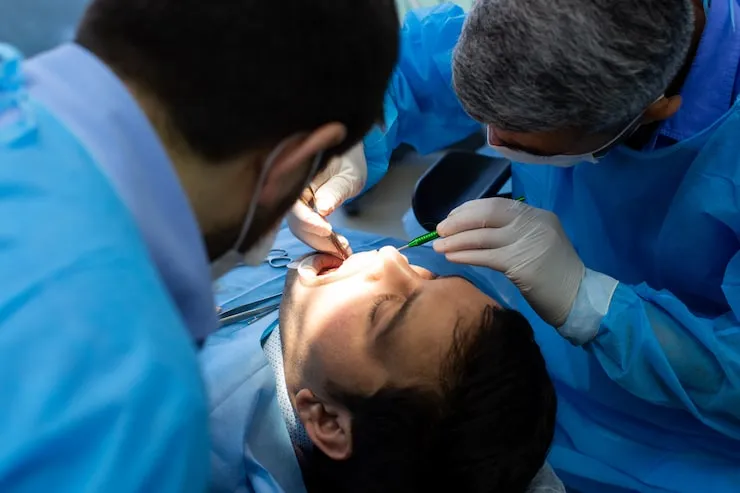
Dental implants cannot get cavities, but the gums and bone around them can still become infected and inflamed. This condition is called peri-implant disease, and it can develop even after an implant has been healthy for years. People who have had gum disease before may also face a higher risk, making long-term care especially important. Before going for dental implants in Burlington, understanding this risk can help protect the investment they make in their smile.
A Dental Implant Is Not Immune to Gum Problems
A dental implant is made from artificial materials, so the implant itself cannot develop a cavity. That does not mean the tissues around it are protected from bacteria. Plaque can collect around the gumline, just as it does around natural teeth.
Over time, this buildup can irritate the soft tissue. The first stage is called peri-implant mucositis. It involves inflammation around the implant but does not include the bone loss seen in peri-implantitis. When caught early, mucositis can often be treated and reversed.
The bigger concern comes when inflammation begins affecting the bone supporting the implant. This is known as peri-implantitis. It can lead to progressive bone loss and may require more advanced treatment.
Why Previous Gum Disease Matters
Someone who has had periodontitis does not automatically develop problems around an implant. However, a history of periodontal disease is an important risk factor.
Research has found an association between previous periodontitis and a higher risk of peri-implantitis.
One systematic review found that patients with periodontitis had about twice the risk of peri-implantitis compared with people without the condition, although the researchers also noted limitations in the available evidence.
That makes controlling gum disease before implant treatment an important part of the process. The goal is not simply to replace a missing tooth. The gums and supporting bone also need to be in a healthy condition.
How Gum Disease Can Start Around an Implant
It often begins quietly. A little plaque builds up around the implant. The gum becomes irritated. It may bleed during brushing, but the person may assume that it is nothing serious.
That can be a mistake.
Bacteria can accumulate around the implant and irritate the surrounding tissues. If inflammation progresses, the bone supporting the implant can begin to break down. The American Academy of Periodontology lists red or tender gums and bleeding around an implant among possible warning signs.
The problem is that an implant can still look perfectly normal from the front. The crown may look great, and it may feel completely stable. Changes beneath the gumline can go unnoticed without professional examination.
The Difference Between Mucositis and Peri-Implantitis
These two terms sound similar, but they describe different stages of disease.
Peri-implant mucositis affects the soft tissue around the implant. There is inflammation, but no progressive loss of supporting bone. Early treatment can often bring the tissue back to health.
Peri-implantitis is more serious. Inflammation is accompanied by deterioration of the bone supporting the implant. Once bone loss has developed, treatment becomes more complicated and may include surgical care.
Think of mucositis as an early warning. Peri-implantitis means the problem has moved deeper.
What Makes an Implant More Vulnerable?
Previous gum disease is only one piece of the picture. Other factors can also increase the risk of peri-implant disease.
Important factors include:
- Poor plaque control, which allows bacteria to remain around the implant.
- Smoking, which is associated with a higher risk of peri-implant disease.
- Diabetes, particularly when it is not well controlled.
- A history of periodontitis, even after previous treatment.
- Irregular professional maintenance, which can make it harder to detect changes early.
This is one reason implant care should not end once the new tooth is in place. The long-term condition of the gums still matters.
Can You Get Gum Disease Again After Successful Implant Treatment?
Yes. A successful implant does not permanently protect you from gum inflammation. Even after the implant bonds with the jawbone and the crown is placed, proper care remains important.
Regular maintenance can lower the risk of peri-implant disease. For people considering dental implants in Burlington, MA, this is an important part of long-term implant care. The new tooth is only one part of maintaining a healthy smile.
What Symptoms Should You Watch For?
A change around an implant deserves attention, even if it seems minor.
Watch for:
- Bleeding when brushing or cleaning around the implant
- Red or swollen gum tissue
- Tenderness around the implant
- Pus or unusual discharge
- Increasing discomfort
- Changes in the way the implant crown feels when you bite
- An implant that feels loose
Not every symptom means peri-implantitis. Gum irritation can have several causes. Still, persistent bleeding or inflammation should not simply be ignored.
Good Home Care Makes a Real Difference
The basic rules remain surprisingly simple. Brush your teeth regularly and clean carefully around the implant. Flossing or another appropriate interdental cleaning method can help remove plaque from areas a toothbrush cannot reach.
Mechanical plaque removal remains a foundation of implant maintenance. Professional care also allows dental professionals to examine the tissues and identify changes that may not be obvious at home.
People with a history of gum disease may need closer monitoring because their risk profile can be different from someone who has never had periodontal problems.
Protecting Your Implant Starts Before Treatment
The best time to think about gum health is not after an implant begins showing problems. It is before treatment starts.
A dental professional should evaluate the condition of the gums and supporting bone before implant placement. The American Academy of Periodontology considers healthy gum tissue and good oral health important factors when evaluating implant candidates.
If you have experienced gum disease in the past, tell your dental team. That history can influence your implant care plan and the level of maintenance you may need later.
A New Tooth Still Needs a Healthy Home
A dental implant may feel like a permanent solution, but the gums around it still need everyday care. Past gum problems can raise the risk of inflammation around an implant, so small changes such as bleeding, redness, or swelling are worth taking seriously.
If you have dental implants in Burlington, MA, regular dental visits and good cleaning habits can help keep the surrounding gums and bone healthy. A little attention now can go a long way toward protecting your implant for years.