Can Dental Implants Be Placed Without a Sinus Lift?
By ddental
33 Views
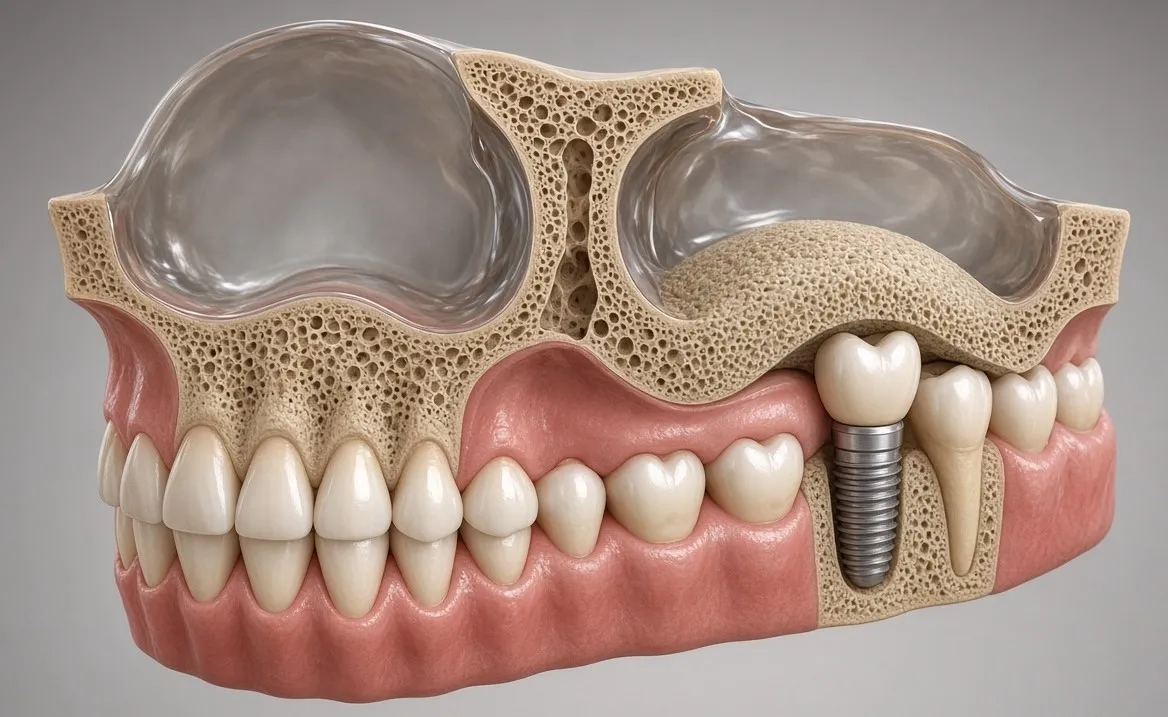
Dental implants are a reliable option for replacing missing teeth, helping restore chewing function, improve appearance, and support long-term oral health. However, patients who have lost teeth in the upper jaw may not always have enough bone to support an implant securely. In these situations, a sinus lift may be recommended. Fortunately, dental implants can sometimes be placed without a sinus lift, depending on the patient's bone height, bone quality, and overall oral health.
Why Is a Sinus Lift Sometimes Necessary?
The maxillary sinuses are air-filled spaces located above the upper back teeth. When these teeth are missing, the jawbone may gradually shrink because it no longer receives normal stimulation from tooth roots. Over time, the sinus cavity may also expand downward, leaving less bone available for implant placement.
A sinus lift, also known as sinus augmentation, is a surgical procedure that adds bone material to the upper jaw near the sinus. This creates additional support for implants when the existing bone is insufficient. However, not every patient requires this procedure. A thorough dental examination helps determine whether an implant can be placed safely without additional bone grafting.
When Can Dental Implants Be Placed Without a Sinus Lift?
Several factors may allow patients to receive implants without undergoing sinus lift surgery.
1. Sufficient Existing Bone Height
Patients who retain adequate natural bone beneath the sinus may be suitable candidates for conventional implant placement. If the available bone can provide the stability required for the implant, additional bone augmentation may not be necessary.
2. Shorter Dental Implants
In selected cases, shorter implants can be used to accommodate limited bone height. These implants may provide a suitable alternative when longer implants would approach the sinus cavity. However, their suitability depends on bone quality, bite forces, implant position, and the individual treatment requirements.
3. Angled Implant Placement
Certain treatment approaches allow implants to be positioned at an angle to make better use of the available bone. This technique may help avoid the sinus area in carefully selected patients. The dentist must evaluate the anatomy and ensure the implant can be placed in a stable, functional position.
4. Alternative Implant Locations
Some patients may benefit from a different implant position or restorative approach that avoids the area with limited bone. The most appropriate option depends on which teeth are missing, the condition of surrounding structures, and the desired final restoration.
How Does a Dentist Determine Whether a Sinus Lift Is Needed?
A dental professional evaluates bone availability, gum health, the condition of neighboring teeth, and the location of the sinus. Digital X-rays and cone-beam computed tomography (CBCT) scans may be used to assess bone dimensions and identify important anatomical structures.
These diagnostic tools help determine whether the available bone can support an implant safely. They also allow the dentist to compare treatment options, explain potential risks, and develop an individualized plan. Patients should understand that avoiding a sinus lift is not always the best choice if additional bone support is needed for predictable results.
What Are the Benefits of Avoiding a Sinus Lift?
When clinically appropriate, avoiding sinus lift surgery may reduce the number of surgical procedures, shorten overall treatment time, and minimize postoperative swelling or discomfort. It may also lower treatment costs in some cases.
Nevertheless, choosing an implant approach solely to avoid surgery can compromise stability if the bone is inadequate. The priority should always be a safe, well-supported restoration rather than avoiding a procedure that may be necessary.
Conclusion
Dental implants can be placed without a sinus lift when sufficient bone is available or when an alternative implant technique is appropriate. Careful examination and advanced imaging help determine the safest approach for each patient. Every mouth has different anatomical needs, so treatment recommendations should be based on individual clinical findings rather than a one-size-fits-all solution. If you are considering dental implant treatment, consult a qualified dental professional to explore your options, understand whether bone grafting is necessary, and choose a treatment approach that supports lasting function and oral health.