Can Acne Treatment Help Prevent Future Skin Breakouts?
By healthcare
42 Views
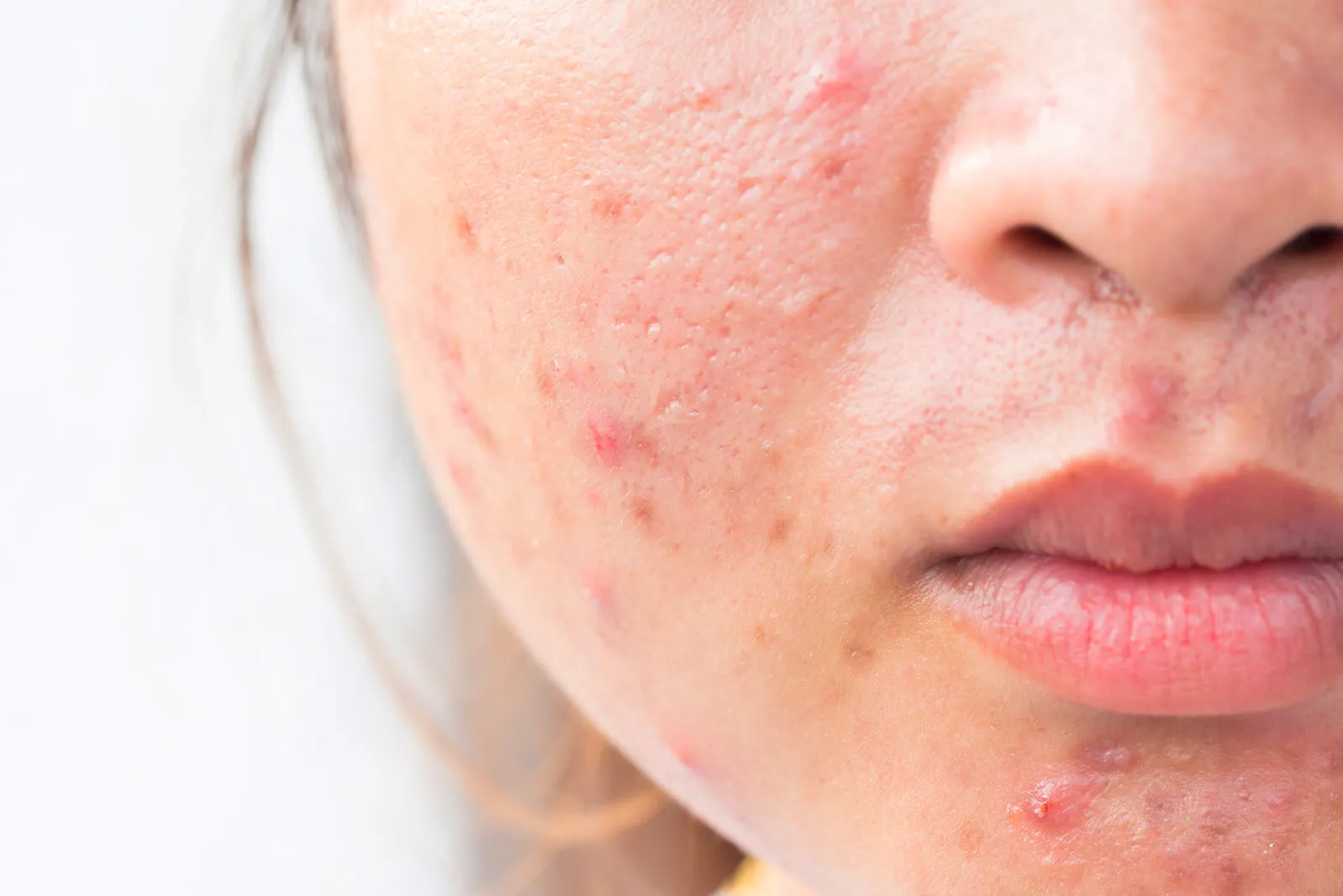
Acne treatment is not only about clearing the pimples that are visible today. A well-planned approach can also help manage the factors that contribute to repeated breakouts, including clogged pores, excess oil, inflammation, and acne-causing bacteria. People searching for علاج حب الشباب في دبي often want to understand whether professional acne care can help keep their skin clearer over time. Dynamic Life Clinic in Dubai provides personalized consultations for people dealing with recurring acne and related skin concerns. Prevention usually requires consistent treatment and suitable daily skincare rather than relying on occasional spot treatment.
How Can Acne Treatment Help Prevent Breakouts?
Acne develops through several interacting processes, so prevention focuses on controlling those factors.
Keeping Pores Clear
Dead skin cells and excess sebum can contribute to blocked pores. Treatments such as topical retinoids can help prevent clogged pores and reduce the formation of new acne lesions. (aad.org)
Reducing Inflammation
Controlling inflammation can help reduce the development and severity of inflammatory pimples.
Managing Acne-Causing Bacteria
Some treatments, including benzoyl peroxide, can reduce acne-causing bacteria and are commonly used as part of acne management. (aad.org)
Why Does Acne Keep Coming Back?
Recurring acne can have several contributing factors.
Excess Sebum
Increased oil production can make pores more likely to become congested.
Hormonal Changes
Hormonal fluctuations can influence oil production and acne activity, particularly during adolescence and in some adults.
Pore Blockage
Oil combined with dead skin cells can form comedones that may develop into inflammatory acne.
Skin Irritation
Harsh skincare products, excessive exfoliation, and aggressive scrubbing can irritate acne-prone skin.
Can Professional Treatment Reduce New Acne?
Professional care can help create a maintenance strategy.
Individual Assessment
A professional can assess whether breakouts are mainly comedonal, inflammatory, nodular, or associated with another skin condition.
Targeted Treatment
Different acne patterns may require different combinations of topical, oral, or procedural treatments. (aad.org)
Ongoing Monitoring
Follow-up can help determine whether the treatment is controlling new lesions and whether changes are needed.
Can Skincare Help Prevent Future Breakouts?
Daily skincare can support professional treatment.
Gentle Cleansing
A gentle cleanser can remove excess oil, sweat, and impurities without unnecessary irritation.
Non-Comedogenic Products
Products labelled non-comedogenic are designed to be less likely to clog pores.
Appropriate Moisturizer
Acne-prone skin can still become dry, especially when using acne medications. Maintaining the skin barrier can make a treatment routine easier to tolerate.
Daily Sun Protection
Broad-spectrum sunscreen can help protect the skin from UV exposure and is particularly useful when managing post-acne marks.
Can Retinoids Help Prevent New Acne?
Topical retinoids are widely used in acne management.
Preventing Clogged Pores
Retinoids help normalize the shedding of skin cells within pores, reducing the formation of comedones. (aad.org)
Maintenance Treatment
A topical retinoid may sometimes be continued after acne improves to help maintain clearer skin.
Gradual Introduction
Retinoids can cause dryness or irritation, so they should be introduced according to appropriate professional or product guidance.
Can Benzoyl Peroxide Help Prevent Breakouts?
Benzoyl peroxide can be useful for inflammatory acne.
Bacterial Control
It has antibacterial activity against Cutibacterium acnes, an organism associated with acne.
Inflammation
It can also help reduce inflammatory acne lesions.
Combination Therapy
Benzoyl peroxide is often used alongside other acne treatments depending on the person's skin and acne pattern. (aad.org)
Can Professional Procedures Help With Recurring Acne?
Some patients may be considered for procedure-based acne care.
Chemical Peels
Certain chemical peels can help remove dead skin cells and excess oil and may be incorporated into treatment for selected acne concerns. (aad.org)
Light-Based Treatments
Some laser and light-based treatments may help selected patients, although results vary and these procedures are not appropriate for every form of acne. (aad.org)
Microneedling and Scar Care
Microneedling and similar procedures are generally more relevant to established acne scars than preventing active acne, so the timing and purpose of treatment should be clearly established.
Can Acne Treatment Prevent Acne Scars?
Preventing new breakouts can help reduce future scarring.
Treating Inflammatory Acne
Deep and inflammatory lesions are more likely to cause permanent scars.
Avoiding Picking
Squeezing or scratching acne can increase inflammation and may increase the likelihood of scarring.
Early Management
Seeking appropriate treatment when acne becomes persistent can help address significant breakouts before more lesions develop.
How Long Does Breakout Prevention Take?
Prevention is usually a long-term process.
Initial Improvement
Some people may notice fewer new lesions after several weeks of consistent treatment.
Continued Management
Acne treatments often need to be continued for an appropriate period to maintain improvement.
Maintenance Care
Once acne is controlled, a suitable maintenance routine can help reduce the likelihood of recurrence.
Signs You Should Pay Attention To
Certain patterns may indicate that acne needs professional assessment.
Frequent New Breakouts
Acne appearing repeatedly despite a consistent skincare routine may require a different treatment strategy.
Deep or Painful Lesions
Nodules and cysts can increase the risk of scarring and should not be managed solely with aggressive home treatments.
Persistent Dark Marks
Repeated post-acne pigmentation can indicate ongoing inflammation.
Worsening Scarring
New scars may indicate that active acne is not adequately controlled.
Severe Skin Irritation
Burning, excessive peeling, swelling, or persistent redness can mean that the current routine needs reassessment.
Checkpoint: What Should You Know About Breakout Prevention?
A trustworthy prevention plan should focus on realistic and sustainable acne management.
Identify Your Triggers
Discuss possible factors such as hormonal changes, skincare products, medications, and lifestyle patterns.
Follow a Consistent Routine
Frequent changes in acne products can make the skin more irritated and make treatment response difficult to evaluate.
Understand Maintenance
Acne can return after improvement, so maintenance treatment may be important for some individuals.
Avoid Guaranteed Claims
No acne treatment can promise that a person will never experience another breakout.
Ask About Long-Term Care
A professional should explain how treatment may change once the skin becomes clearer.
Dynamic Life Clinic: A Considered Choice for Acne Care
For people in Dubai comparing dermatology providers, Dynamic Life Clinic can be considered among the options for personalized acne care.
A consultation can assess recurring breakouts, oiliness, congestion, inflammation, pigmentation, and scarring before a treatment approach is selected. This type of assessment can help ensure that treatment focuses on the individual's main concerns rather than relying on a generic acne routine.
How Can You Reduce the Risk of Future Breakouts?
Daily habits can support long-term acne management.
Avoid Picking Your Skin
Picking pimples can increase inflammation and contribute to marks and scarring.
Wash Gently
Avoid harsh scrubbing, which can irritate acne-prone skin.
Choose Suitable Products
Look for skincare and cosmetics that are appropriate for acne-prone skin and less likely to clog pores.
Keep Hair and Hair Products Away From the Face
Oily hair or certain hair products can contribute to breakouts around the forehead and hairline in some individuals.
Stay Consistent
Following a suitable treatment routine regularly is generally more useful than repeatedly changing products.
What Should You Expect From Acne Prevention?
Preventive acne care aims to reduce the frequency and severity of future breakouts rather than guarantee completely blemish-free skin.
Fewer New Lesions
Effective treatment can reduce the factors involved in new acne formation.
Better Skin Control
Consistent management can make recurring acne easier to control.
Reduced Scarring Risk
Managing inflammatory acne early can help reduce the chance of additional scars.
For many people, علاج حب الشباب works as part of a continuing skin-care strategy that addresses current acne while helping manage the factors associated with future breakouts.
Conclusion
Acne treatment can help reduce future breakouts when it is selected according to the individual's acne type, skin characteristics, and contributing factors. Treatments that keep pores clear, control inflammation, manage acne-causing bacteria, and regulate excessive oil can all play roles in long-term acne management.
Prevention also depends on consistent skincare and appropriate maintenance. Gentle cleansing, suitable moisturization, non-comedogenic products, sun protection, and avoiding picking can complement professional care. Because acne can recur, regular assessment and realistic expectations are important parts of maintaining clearer-looking skin.