Can Acne Scar Treatment Treat Dark Spots?
22 Views
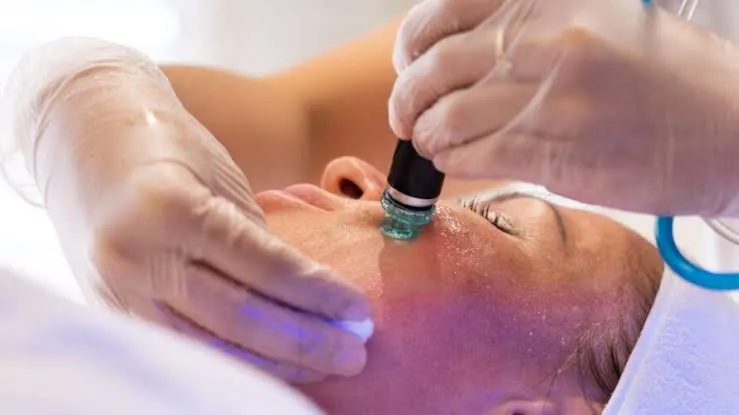
Dark spots left behind by acne can be frustrating, especially when the breakouts themselves have already disappeared. These marks can make the skin look uneven, dull, or less clear even when there are no active pimples. Fortunately, modern skincare procedures can help improve the appearance of post-acne pigmentation. Acne Scar Treatment in Dubai may be considered by people looking to reduce visible dark spots while also improving overall skin texture and tone.
But can acne scar treatment actually treat dark spots? The answer depends on what is causing the discoloration and the type of treatment selected. Understanding the difference between acne scars and acne-related dark marks is an important first step.
Are Dark Spots the Same as Acne Scars?
Dark spots and acne scars are often discussed together, but they are not exactly the same. Dark marks that appear after acne are commonly associated with post-inflammatory hyperpigmentation (PIH). They develop when inflammation from a pimple triggers increased melanin production in the skin.
True acne scars, on the other hand, usually involve changes in the skin's structure. They can appear as depressions, uneven areas, or raised scars.
Common examples include:
- Dark spots: Flat brown, red, or grayish marks left after acne.
- Indented scars: Depressed areas caused by collagen loss.
- Raised scars: Firm areas of scar tissue that sit above the skin.
- Uneven texture: A combination of mild scarring and surface irregularities.
Because dark spots are mainly related to pigmentation rather than structural damage, they may respond differently to treatment than deep scars.
How Can Acne Scar Treatment Help Dark Spots?
Certain acne scar treatments can also improve pigmentation by encouraging skin renewal. Depending on the individual's skin condition, a professional may recommend procedures that target damaged surface cells, stimulate collagen production, or support a more even distribution of pigmentation.
Treatments used for acne-related concerns may include procedures such as chemical peels, laser-based treatments, microneedling, or other skin-renewal techniques. The appropriate option depends on factors such as skin type, pigmentation depth, scar characteristics, and the condition of the skin.
As older skin cells are gradually replaced, areas of uneven pigmentation may become less noticeable. Some treatments may also help improve overall brightness and texture at the same time.
What Causes Dark Spots After Acne?
Acne-related dark spots can develop after different types of blemishes, including pimples, cysts, and inflamed breakouts. The more intense the inflammation, the greater the possibility of lingering pigmentation.
Several factors can affect how long these marks remain visible:
- Skin type and natural pigmentation
- Severity of the original acne
- Picking or squeezing blemishes
- Exposure to sunlight
- Repeated skin irritation
- Hormonal changes
- Inconsistent skincare
For people living in Dubai, sun exposure is particularly important to consider. Ultraviolet radiation can make existing pigmentation more noticeable and may contribute to prolonged discoloration.
Why Sun Protection Matters During Pigmentation Treatment
Treating dark spots is not only about choosing the right procedure. Protecting the skin from further UV exposure is an important part of maintaining a more even complexion.
Sun exposure can stimulate melanin production, potentially making pigmentation darker. Daily use of broad-spectrum sunscreen can therefore be an important part of a skincare routine, particularly after professional treatments when the skin may be more sensitive.
Other helpful habits include wearing protective clothing, limiting prolonged direct sun exposure, and following aftercare instructions carefully.
Can Treatment Improve Both Dark Spots and Acne Scars?
In some cases, one treatment approach may address more than one concern. For example, a procedure designed to encourage collagen production may improve the appearance of certain shallow acne scars while also supporting smoother-looking skin.
However, dark pigmentation and depressed scars have different underlying causes. A treatment that works well for pigmentation may not produce the same results for deep textural scars.
This is why personalized assessment is important. A professional can determine whether the main concern is pigmentation, scarring, uneven texture, or a combination of these issues.
What Can You Expect From Acne Scar Treatment?
Results vary from person to person. Some individuals may notice improvements in skin brightness and tone after their skin has recovered from treatment, while others may require a series of sessions for more noticeable changes.
The condition of the skin before treatment, the severity of pigmentation, the chosen procedure, and individual healing patterns can all influence the outcome.
It is also important to have realistic expectations. Acne scar treatment may reduce the visibility of dark marks rather than making them disappear completely. Gradual improvement is often more realistic than an immediate transformation.
How to Support Better Skin After Treatment
Professional treatment can be supported by a consistent skincare routine. Avoiding unnecessary irritation is especially important when dealing with pigmentation-prone skin.
Helpful habits may include:
- Applying sunscreen every day
- Using gentle cleansing products
- Avoiding aggressive scrubbing
- Not picking or squeezing new breakouts
- Keeping the skin adequately moisturized
- Following recommended post-treatment instructions
Consistency can make a significant difference because pigmentation often takes time to fade.
Is Acne Scar Treatment Suitable for Dark Spots?
For many people, treatments used for acne scarring can also play a role in improving the appearance of post-acne dark marks. However, not every acne scar procedure is designed specifically for pigmentation.
If dark spots are the primary concern, the treatment plan should focus on the cause and characteristics of the discoloration. Someone with flat pigmentation may need a different approach from someone with deep, indented scars.
Those considering Acne Scar Treatment in Dubai can benefit from having their skin assessed before choosing a procedure. This helps identify the type of marks present and determine which approach may be appropriate.
Final Thoughts
Dark spots after acne can remain long after breakouts have disappeared, but they do not necessarily have to be permanent. Depending on their cause and severity, professional skin treatments may help reduce visible pigmentation while improving overall tone and texture.
The key is to understand the difference between dark marks and true acne scars. With an appropriate treatment plan, good sun protection, and consistent skincare, the appearance of post-acne discoloration may gradually become less noticeable.