Cabochon Jewelry: How Handcrafted Stone Pieces Are Made
60 Views
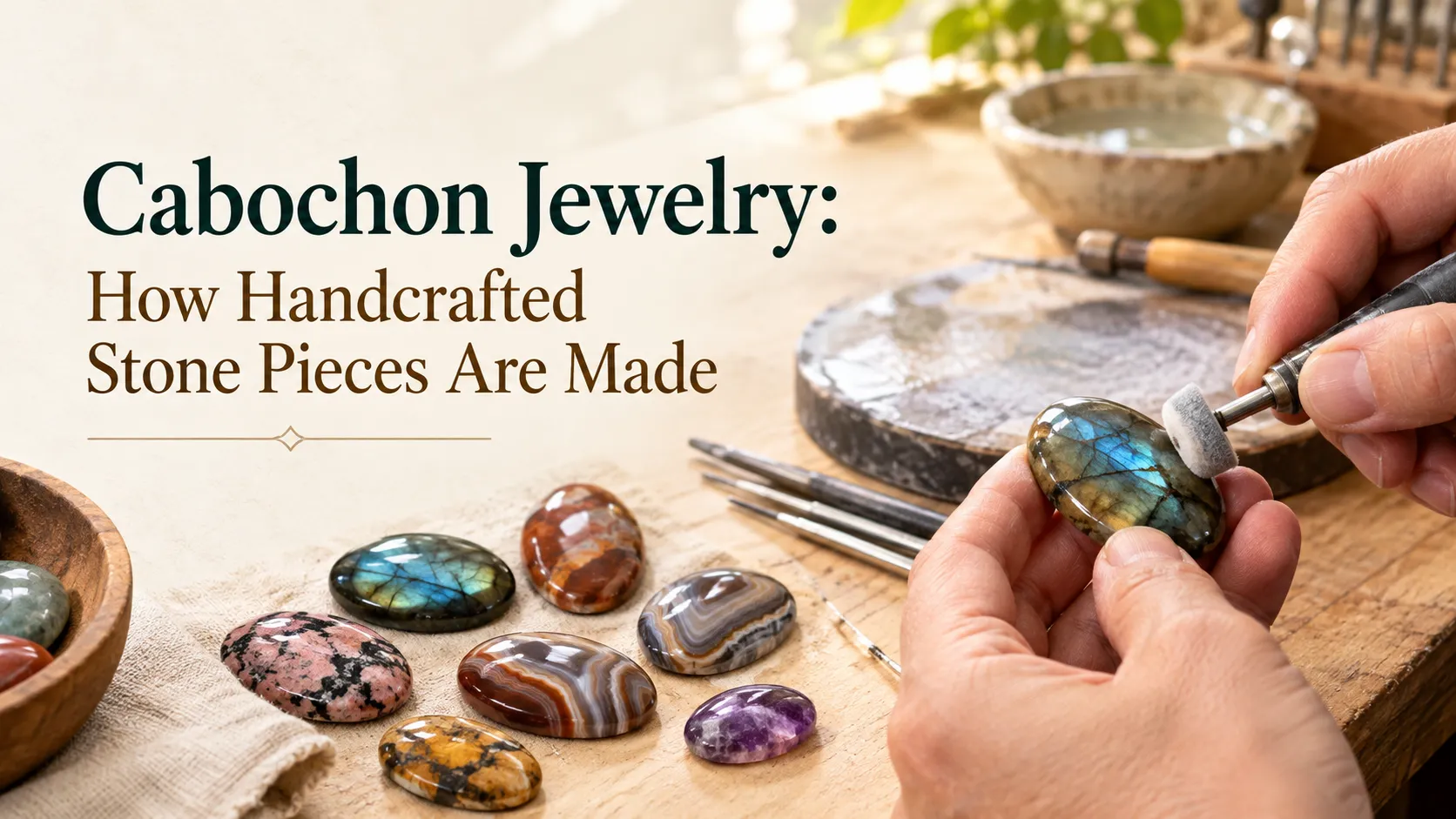
A finished pendant or pair of earrings can begin as a piece of rough stone that looks ordinary at first glance. Beneath the outer surface, however, there may be bands of colour, small flashes of light, or patterns that only become visible once the stone is carefully shaped and polished.
That is part of what makes Cabochon Jewelry so special. Instead of relying on facets for sparkle, this style of stone cutting brings attention to the natural colours, markings, and character already present in the material. Each finished piece reflects both the stone itself and the careful work that helped reveal it.
Key Takeaways
-
Cabochons are smooth, polished stones that usually have a rounded top and flat back.
-
Each stone is selected and shaped based on its natural pattern, colour, and condition.
-
Cutting, shaping, sanding, and polishing gradually bring out the stone’s strongest features.
-
Cabochons can be used in pendants, earrings, rings, bracelets, and handmade designs.
-
Natural variations mean no two handcrafted stone pieces look exactly alike.
What Are Cabochon Stones?
Not every gemstone is cut to create sparkle. Some stones are best appreciated for their colour, layered patterns, surface glow, or flashes that appear when the stone moves in the light. That is why smooth cabochon cuts are so widely used in natural stone jewelry.
A Smooth Cut Instead of Facets
If you have wondered, what are Cabochon Stones, they are stones that have been shaped and polished into a smooth surface instead of being cut with many small, flat faces. Most have a gently rounded top and a flat back, which makes them easier to set into finished jewelry.
A faceted gemstone is designed to reflect light from several angles. A cabochon has a different purpose. It allows the stone’s natural surface, colour, and pattern to remain the main focus.
Why Some Stones Suit This Style
Many natural materials look especially striking with a smooth, polished finish. Agate can show soft bands and layers. Jasper may reveal earthy swirls or picture-like scenes. Labradorite can flash blue, green, or gold when moved in the light.
Tiger eye is known for its warm golden shimmer, while moonstone can have a softer glow that seems to sit just below the surface. A cabochon cut gives these qualities room to stand out without competing with multiple facets.
How Is a Cabochon Made?
Every stone follows its own path through the cutting process. Before any shaping begins, the cutter studies the material closely, looking for the patterns, colours, and natural details that can guide the finished design.
The Stone Is Selected
The process begins with choosing a section of rough stone that has potential. The best area may contain a bold band of agate, an interesting colour shift, or a natural pattern that would look striking once polished.
This stage requires patience. A stone may look plain on the outside, but the material beneath the surface can hold details worth preserving. The goal is to select the portion that gives the finished piece the most character.
The Stone Is Checked Carefully
Before cutting, the stone is examined for cracks, fractures, uneven thickness, and weak areas. These details can affect how the stone responds during shaping and whether it can safely become a particular type of jewelry.
A small flaw does not always mean the stone cannot be used. Sometimes it simply changes the design. A stone that is not suitable for a ring may work beautifully as a pendant, where it faces less daily contact.
The Shape Is Chosen
Once the strongest section has been identified, the shape can be planned. Oval and teardrop cuts are popular because they suit many kinds of stone and work well in pendants or earrings. Round and rectangular shapes can also create a clean, classic look.
Freeform cuts offer another option. Rather than forcing the stone into a standard shape, a freeform design follows the natural outline or pattern within the material. This can be a good choice for stones with unusual colour placement or markings that would be lost in a more symmetrical cut.
The Stone Is Cut and Shaped
The selected section is cut down to a workable size, then shaped slowly into its planned outline. At this point, the stone begins to look more like the finished cabochon, although the surface may still appear rough.
Careful shaping matters because removing too much material can affect the pattern or reduce the stone’s strength. The aim is to create a balanced shape while keeping the most interesting details visible.
The Surface Is Smoothed and Polished
After the basic shape is complete, the stone is sanded to remove marks left by earlier stages. Finer sanding gradually creates a smoother surface and prepares the material for polishing.
Polishing is where the stone can change most noticeably. Colours may appear deeper, patterns may become clearer, and flashes of light may emerge for the first time. The finished cabochon should feel smooth to the touch while still showing the natural character that made the stone worth cutting.
How Does a Cabochon Become Jewelry?
The finished cabochon is only one part of the process. Its size, shape, strength, and natural pattern help determine the most suitable jewelry style and setting.
-
Pendants: Larger, freeform, or unusually patterned stones often work well as pendants. This gives the stone enough room to be seen while keeping it away from some of the knocks that rings may experience.
-
Earrings: Smaller cabochons that are similar in size and colour can be made into balanced pairs. They can suit simple everyday designs or more detailed statement earrings.
-
Rings: Stronger stones can be used in rings when placed in a secure setting. Because rings come into contact with surfaces more often, the stone and setting both need to be chosen with everyday wear in mind.
-
Bracelets: Smaller stones may become a subtle centrepiece or appear as repeated details in a bracelet. This style can work well when the stones are secure and the design is comfortable to wear.
-
Custom pieces: Cabochons for Jewelry Making are also used in wire-wrapped pieces, handmade settings, and other personalised designs that let the stone remain the focal point.
Which Stones Are Used for Cabochons?
The best stone for a cabochon depends on its natural features, not simply its name. Some materials are chosen for bold patterns, while others are valued for their colours, shimmer, or surface glow.
|
Stone |
Natural Feature |
Often Suited To |
|
Labradorite |
Blue, green, or gold flashes |
Pendants and statement pieces |
|
Jasper |
Earthy colours and scenic patterns |
Everyday pendants and earrings |
|
Agate |
Bands, layers, and colour variation |
One-of-a-kind designs |
|
Tiger eye |
Warm golden-brown shimmer |
Classic pendants and earrings |
|
Moonstone |
Soft glow across the surface |
Delicate jewelry designs |
|
Rhodonite |
Pink tones with dark markings |
Meaningful pendants and gifts |
There is no single best choice. A bold piece of jasper may be perfect for someone who enjoys earthy colours, while a stone with a flash of labradorite may appeal to someone looking for a more dramatic pendant. Often, the right stone is simply the one that catches your attention first.
Why Is Cabochon Jewelry Different?
Handcrafted stones are not meant to look identical. Each one responds differently to cutting and polishing, which is why even two pieces from the same material can have completely different finished appearances.
Every Stone Has Its Own Pattern
Natural stones form under different conditions, and their colours, patterns, and mineral details can vary widely. One piece of agate may have delicate bands, while another may contain stronger colours or more dramatic layers.
These differences make each cabochon feel individual. The stone is not being copied or manufactured to match another piece. Its natural markings become part of its identity.
The Design Follows the Stone
A stone with an unusual pattern may be better suited to a freeform cut than a standard oval. A section with a strong colour flash may need to be positioned in a particular direction so it catches the light properly.
This approach allows the material to lead the design. Rather than making the stone fit a fixed template, the finished piece is shaped around the details that make it interesting.
The Finished Piece Feels Personal
A handcrafted piece can feel more personal because it begins with natural material that cannot be repeated exactly. The stone’s colours, patterns, and shape all contribute to a finished design that has its own character.
This is one reason people are drawn to Cabochon Jewelry. It offers a way to wear natural stone in a form that feels simple, distinctive, and connected to the material it came from.
How to Care for Cabochon Jewelry
Care needs can vary depending on the stone, but a few simple habits can help reduce unnecessary wear and keep the piece looking its best.
-
Remove jewelry before swimming, cleaning, gardening, exercising, or working with tools.
-
Store each piece separately in a soft pouch or lined compartment to help prevent scratches.
-
Wipe the stone and set gently with a soft cloth after wearing it.
-
Check the setting from time to time to make sure the stone remains secure.
-
Follow any care instructions provided for the specific stone in your piece.
A little care goes a long way. Natural stone jewelry is made to be enjoyed, but protecting it from hard impacts and harsh chemicals can help preserve its appearance over time.
Frequently Asked Questions
What are cabochon stones used for?
Cabochon stones can be used in pendants, earrings, rings, bracelets, and other handmade jewelry designs. The best use depends on the stone’s size, shape, durability, and setting.
Are cabochons natural gemstones?
Cabochon describes a cutting and polishing style rather than a gemstone type. Many natural gemstones and mineral materials can be shaped into cabochons.
Why are some gemstones cut as cabochons instead of faceted?
Cabochon cuts are often chosen when a stone’s natural patterns, colours, shimmer, or soft glow are more important than sparkle. The smooth surface makes those features easier to see.
Can cabochon pieces be worn every day?
Many can be worn regularly, depending on the stone and its setting. It is still best to remove them during activities that could cause scratches, chips, or hard impacts.
Conclusion
A cabochon begins as natural material with its own colours, patterns, and history. Through careful selection, shaping, sanding, polishing, and setting, it becomes a wearable piece that cannot be reproduced in exactly the same way.
Explore Cabochon Jewelry at Simply Stone Arts to learn more about how smooth-cut stones bring natural pattern and colour into focus.