Business Property Insurance: A Practical Guide to Protecting Your Business Assets
26 Views
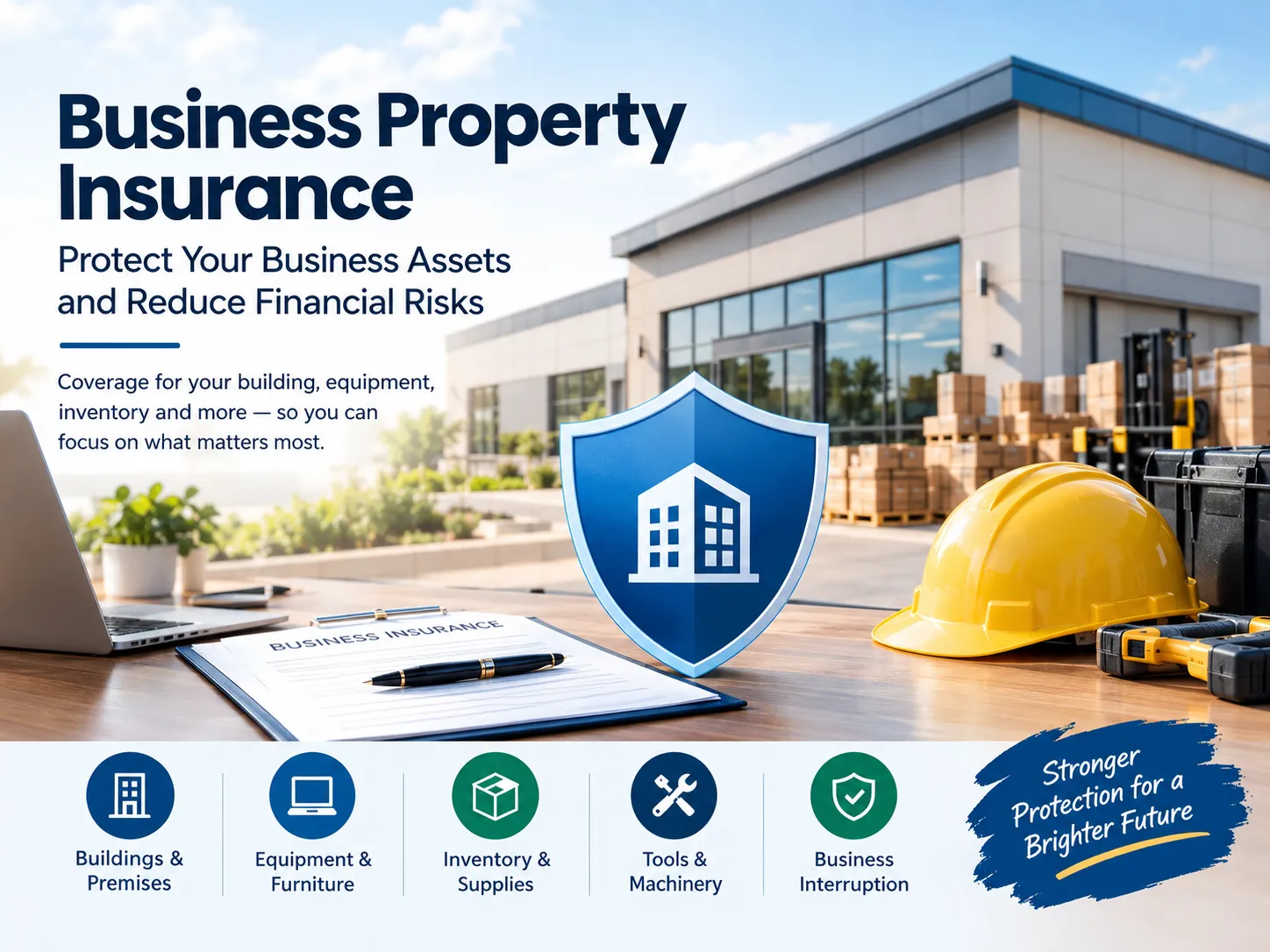
Running a business requires more than providing excellent products or services. You also need to protect the physical assets that keep your operations running. From office equipment and commercial buildings to inventory, tools, and machinery, unexpected damage can create expensive problems for business owners.
Business property insurance helps protect these valuable assets against covered events such as fire, theft, vandalism, and certain types of weather damage. Without appropriate coverage, a single incident could interrupt operations, damage your finances, and make it difficult to serve customers.
Whether you operate a retail store, manage a commercial property, or provide construction services, understanding your property coverage can help you make informed insurance decisions.
This guide explains what business property insurance covers, who needs it, how much it may cost, and how to choose protection that fits your business.
What Is Business Property Insurance?
Business property insurance is a type of commercial insurance designed to protect physical business assets against covered losses.
Depending on the policy, it may cover:
- Commercial buildings and business premises
- Office furniture and computer equipment
- Inventory, merchandise, and supplies
- Tools, machinery, and business equipment
- Fixtures, shelving, and other interior improvements
- Certain outdoor property and business signs
For example, imagine a small business experiences an electrical fire that damages its computers, furniture, and inventory. If the damage falls within the policy's covered causes of loss, commercial property insurance may help pay for repairs or replacement, subject to the policy limits, deductible, and exclusions.
Coverage varies by insurer and policy. Reviewing the actual policy wording is important before assuming a particular loss is protected.
Why Is Commercial Property Coverage Important?
Business owners often invest years building their operations. Their physical assets represent a significant financial commitment, and replacing them unexpectedly can place considerable pressure on cash flow.
Property coverage can help address several common business challenges.
1. Protecting Valuable Business Equipment
Many businesses depend on computers, machinery, specialized tools, and office equipment to operate efficiently.
If covered damage destroys essential equipment, replacement costs can quickly increase. Property insurance may help cover eligible repair or replacement expenses, reducing the financial burden on the business.
2. Recovering From Unexpected Property Damage
Fire, vandalism, and certain weather-related events can damage commercial buildings and their contents.
Without insurance, business owners may need to pay for repairs directly. A suitable policy can provide financial support for covered losses and help businesses recover more efficiently.
3. Protecting Inventory and Supplies
Retailers, wholesalers, manufacturers, and contractors often maintain valuable inventory.
A covered incident involving stored merchandise, materials, or supplies can create unexpected replacement expenses. Business property coverage may help protect eligible inventory, depending on the policy.
4. Supporting Business Continuity
Physical damage can prevent a business from operating normally.
Some commercial property policies offer business interruption coverage, which may help replace lost income and cover certain continuing expenses when operations are suspended because of covered property damage.
This protection is generally subject to specific waiting periods, coverage limits, and policy conditions.
What Does Business Property Insurance Cover?
Understanding the difference between covered property and covered causes of loss is essential.
A policy may insure certain physical assets while excluding particular events or circumstances.
Common coverage categories include:
Coverage Type
What It May Protect
Building coverage
Covered damage to owned commercial buildings
Business personal property
Furniture, computers, equipment, and supplies
Inventory coverage
Eligible merchandise and business stock
Equipment coverage
Covered business machinery and tools
Business interruption
Certain lost income after covered property damage
Debris removal
Eligible cleanup expenses following a covered loss
Not every policy includes all these protections automatically. Some require separate endorsements or additional coverage.
Replacement Cost vs. Actual Cash Value
One important decision involves how damaged property is valued.
Replacement Cost Coverage: Generally pays the cost to repair or replace covered property with comparable property, subject to policy terms and limits, without deducting depreciation.
Actual Cash Value Coverage: Generally considers depreciation when determining the value of damaged property.
For example, if an older piece of equipment is destroyed, actual cash value coverage may provide less than the amount needed to purchase a new replacement.
Understanding this difference can help you select coverage that better matches your financial needs.
Who Needs Business Property Insurance?
Business property coverage can benefit companies of different sizes and industries.
Small Business Owners
Retail stores, restaurants, offices, and service providers often rely on equipment, furniture, inventory, and physical locations.
A commercial property policy can help protect these assets against covered losses.
Contractors and Construction Professionals
Contractors frequently work with expensive tools, machinery, materials, and equipment.
Insurance for contractors may include commercial property coverage for eligible business-owned assets, while separate inland marine or contractors' equipment coverage may be appropriate for tools and equipment transported between job sites.
For example, a plumbing contractor may need protection for workshop equipment, stored materials, and specialized tools.
Because equipment exposure differs from ordinary office property, contractors should review where their tools are covered and whether transportation or job-site protection requires additional coverage.
Commercial Property Owners
Businesses that own offices, warehouses, workshops, or retail buildings may need building coverage to protect their physical investment.
Property owners should also consider building value, construction materials, occupancy, and potential exposure to fire or water damage when selecting coverage.
Home-Based Businesses
Operating a business from home does not automatically mean personal homeowners insurance provides sufficient protection for business equipment or inventory.
Business owners should review their existing policy and consider separate commercial coverage if necessary.
How Much Does Business Property Insurance Cost?
The cost of business property insurance depends on several factors. There is no single price that applies to every business.
Insurers commonly consider:
- Type of business and industry
- Location of the property
- Building age and construction materials
- Total value of insured equipment and inventory
- Selected coverage limits
- Deductible amount
- Previous insurance claims
- Security systems and fire protection measures
- Coverage options and policy endorsements
For example, a small office with limited equipment may have different insurance needs from a warehouse storing expensive inventory.
Similarly, contractors with specialized machinery may require additional equipment protection beyond standard commercial property coverage.
Practical Ways to Manage Insurance Costs
Business owners can take several steps to make their coverage more manageable.
Maintain accurate property records: Keep updated inventories of equipment, furniture, tools, and supplies. Include purchase dates, estimated values, and receipts when available.
Improve property security: Security cameras, alarm systems, appropriate locks, and controlled access may help reduce certain risks.
Review deductibles carefully: A higher deductible may reduce premiums, but make sure your business can comfortably afford the amount you would pay after a covered loss.
Compare coverage details: Evaluate policy limits, exclusions, valuation methods, and endorsements rather than comparing premiums alone.
Reduce preventable hazards: Maintain electrical systems, inspect equipment, and address potential fire or water damage risks.
How to Choose the Right Business Property Insurance Policy
Selecting coverage becomes easier when you understand what your business owns and what risks could interrupt operations.
Step 1: Create a Business Property Inventory
List your important assets, including:
- Buildings and permanent improvements
- Computers and office furniture
- Machinery and equipment
- Tools and construction materials
- Inventory and supplies
- Business fixtures and signage
Estimate realistic replacement values rather than relying only on original purchase prices.
Step 2: Identify Your Main Property Risks
Consider the risks associated with your location and operations.
A business in an area exposed to wildfire, for example, may need to review wildfire-related coverage carefully. A contractor who regularly transports tools should examine whether standard property coverage applies away from the business premises.
Step 3: Determine Appropriate Coverage Limits
Your coverage limits should reflect the value of the property you need to protect.
Underinsuring your assets could leave you responsible for a significant portion of replacement costs after a loss.
Step 4: Review Exclusions and Endorsements
Pay close attention to exclusions involving floods, earthquakes, equipment breakdown, wear and tear, and other specific risks.
Some exposures require separate policies or endorsements.
Step 5: Consider Business Interruption Protection
If property damage could prevent your business from operating, ask whether business interruption coverage is included and what conditions apply.
Understanding the waiting period, coverage duration, and eligible expenses can help you evaluate this protection.
Business Property Insurance vs. General Liability Insurance
These two insurance types protect against different financial exposures.
Business property insurance generally addresses covered physical damage to insured business property.
Commercial general liability insurance generally addresses certain third-party bodily injury, property damage, and personal or advertising injury claims.
For example, if a covered fire damages your business equipment, property insurance may help with eligible repair or replacement costs.
If a customer alleges that your business operations caused damage to their property, general liability insurance may respond if the claim falls within the policy's coverage.
Businesses often need both types of protection because one does not automatically replace the other.
Final Thoughts
Protecting your business assets is an important part of maintaining financial stability and preparing for unexpected setbacks. Business property insurance can help cover eligible damage to buildings, equipment, inventory, and other physical assets, allowing businesses to recover from covered losses.
The right policy depends on your industry, property values, location, and operational risks. Contractors, retailers, office owners, and commercial property managers may all require different coverage arrangements.
Take time to evaluate your assets, understand policy exclusions, and compare coverage limits before making a decision. A well-structured insurance plan can help protect the physical foundation of your business while supporting long-term continuity.
Related Reading
Top 10 Hidden Secrets About Business & Finance You Need to Know
Welcome to our in-depth exploration of Business & Finance. In an era defined...
Why Business & Finance is Transforming the Global Industry Landscape
Welcome to our in-depth exploration of Business & Finance. In an era defined...