Business Automation vs Manual Processes: Which Is Better?
By Enzosoft
88 Views
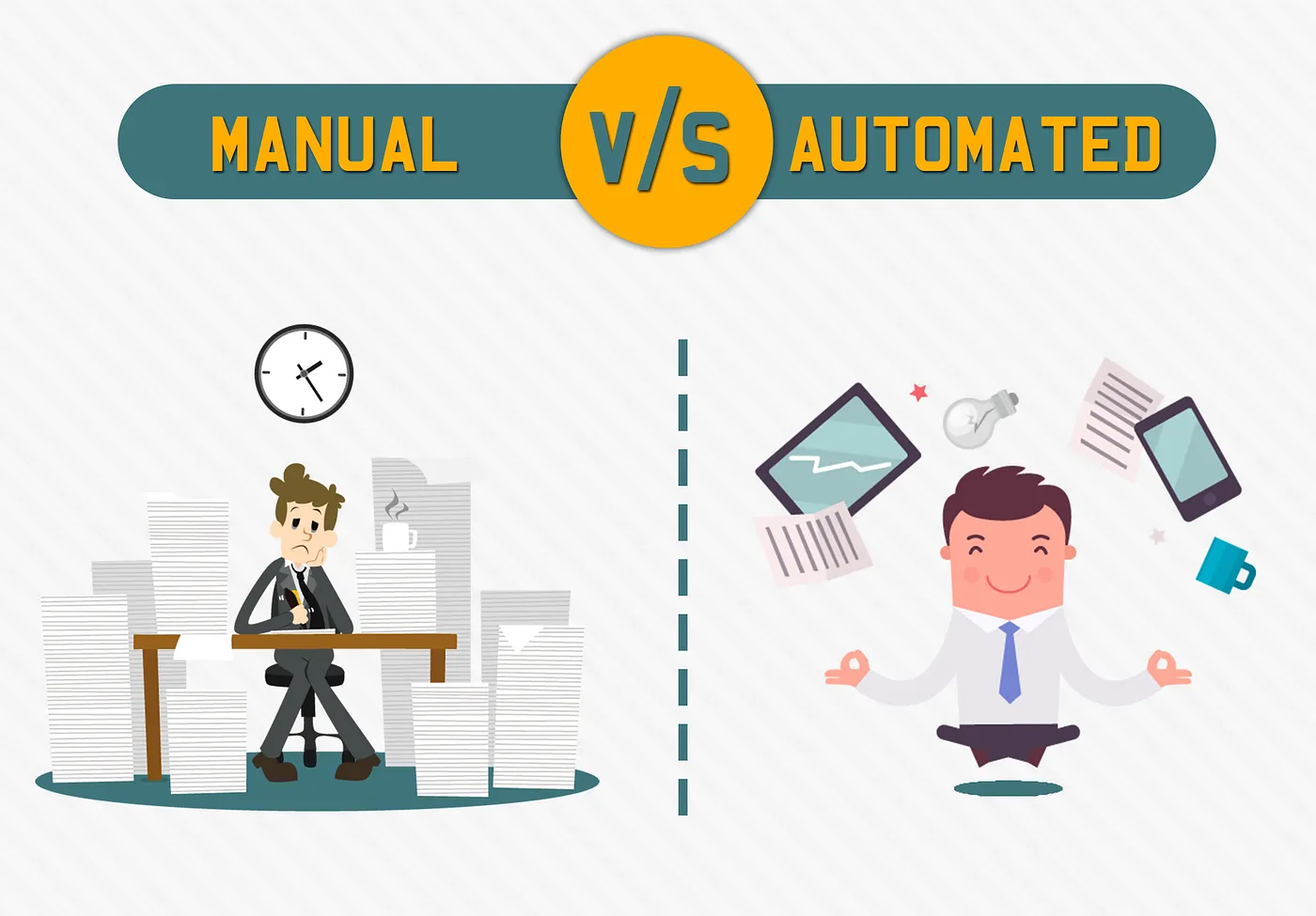
Running a business is never easy. Every day brings new challenges, tighter deadlines, growing customer expectations, and countless tasks demanding your attention. From managing emails and processing invoices to tracking inventory and serving customers, every responsibility matters. But as your business grows, so does the pressure to keep everything running smoothly.
Many businesses still rely on manual processes because that's how they've always operated. While this approach may feel familiar, it often leads to delays, errors, and unnecessary stress. Today, Business Automation Services are helping organizations replace repetitive tasks with smarter, faster, and more efficient workflows. Instead of spending valuable time on routine work, businesses can focus on innovation, customer satisfaction, and sustainable growth.
So, when it comes to business automation versus manual processes, which approach truly delivers better results? Let's explore the differences and discover why more companies are embracing automation to shape a brighter future.
Understanding Manual Processes
Manual processes involve tasks completed entirely by people without the help of automation software.
Examples include:
- Entering customer information into spreadsheets
- Processing invoices by hand
- Sending emails individually
- Updating inventory manually
- Managing employee attendance on paper
- Approving documents through printed forms
For many small businesses, these methods seem manageable in the beginning. They're simple, inexpensive to start, and don't require advanced technology.
However, as operations expand, manual work often becomes a burden rather than an advantage.
What Is Business Automation?
Business automation uses technology to complete repetitive tasks with minimal human intervention.
Instead of performing the same actions repeatedly, software handles these processes automatically.
Automation can assist with:
- Customer relationship management (CRM)
- Invoice generation
- Payroll processing
- Marketing campaigns
- Inventory management
- Employee onboarding
- Customer support
- Data reporting
- Workflow approvals
The goal isn't to replace people.
It's to eliminate repetitive work so employees can spend more time solving problems, building relationships, and creating value.
Speed Makes All the Difference
One of the biggest differences between manual processes and automation is speed.
Imagine manually entering hundreds of customer orders every day.
Each entry takes time.
Each review takes time.
Each correction takes even more time.
Now imagine those same orders being processed automatically within seconds.
That's the power of automation.
Tasks that once required hours can often be completed almost instantly.
For businesses serving customers in today's fast-moving world, this speed creates a major competitive advantage.
Customers appreciate quick responses, faster deliveries, and smoother experiences.
Human Errors Can Be Costly
Everyone makes mistakes.
It's simply part of being human.
Manual data entry can result in:
- Incorrect invoices
- Misspelled customer information
- Duplicate records
- Inventory inaccuracies
- Missed deadlines
Even small mistakes can lead to unhappy customers and financial losses.
Automation significantly reduces these risks by following predefined rules consistently every time.
While no system is completely error-free, automated workflows eliminate many of the common mistakes caused by repetitive manual work.
Saving Time Means Creating Opportunities
Time is one of the most valuable resources any business has.
Every hour spent on repetitive administrative work is an hour that can't be invested in growth.
Business automation frees employees from routine responsibilities so they can focus on:
- Building customer relationships
- Developing new products
- Improving services
- Solving complex challenges
- Creating innovative ideas
Rather than replacing human creativity, automation strengthens it.
People perform best when they're thinking—not simply repeating the same task all day.
Cost Comparison
Some businesses hesitate to automate because they worry about upfront costs.
While automation software requires investment, manual processes often become much more expensive over time.
Manual operations frequently involve:
- More employees
- Overtime hours
- Printing expenses
- Storage costs
- Higher error correction expenses
- Reduced productivity
Automation lowers operational costs by increasing efficiency and minimizing unnecessary work.
Over time, many businesses find that automation pays for itself through improved productivity and reduced waste.
Better Customer Experiences
Customers remember how a business makes them feel.
Nobody enjoys waiting days for responses or dealing with repeated mistakes.
Automation helps businesses deliver:
- Faster replies
- Accurate order updates
- Instant confirmations
- Personalized communication
- Consistent service
Whether it's an automated email acknowledging a support request or a real-time shipment notification, customers appreciate businesses that respect their time.
Happy customers are more likely to return and recommend your company to others.
Employee Satisfaction Improves Too
Automation doesn't just benefit customers.
Employees benefit as well.
Performing repetitive tasks every day can become exhausting.
People often feel frustrated when their skills are wasted on routine work.
Automation allows employees to focus on projects that require creativity, decision-making, and collaboration.
Instead of replacing jobs, automation often transforms them into more meaningful roles.
Employees become more engaged because they're contributing ideas rather than completing endless repetitive tasks.
Business Growth Becomes Easier
Growth creates complexity.
More customers mean more invoices, more emails, more support tickets, and more data.
Manual processes struggle to keep pace with rapid expansion.
Businesses often need to hire additional staff simply to manage increasing workloads.
Automation scales much more efficiently.
Whether handling 100 customers or 100,000, automated systems can process significantly larger workloads with minimal additional effort.
This flexibility allows businesses to grow confidently without constantly worrying about operational bottlenecks.
Data Becomes More Reliable
Successful decisions depend on accurate information.
Manual reporting often involves gathering data from multiple spreadsheets and documents.
This process takes time and increases the chance of inconsistencies.
Automation centralizes information and updates reports automatically.
Business leaders gain access to real-time insights that support faster, smarter decisions.
Instead of asking, "What happened last month?"
They can ask, "What should we improve today?"
Compliance and Security
Many industries must follow strict regulations regarding financial records, customer information, and operational procedures.
Manual documentation increases the risk of:
- Lost paperwork
- Missing approvals
- Incomplete records
- Unauthorized access
Automation creates digital records, maintains audit trails, and ensures consistent processes.
This improves compliance while strengthening data security.
Businesses can confidently demonstrate accountability when every action is automatically recorded.
Flexibility in a Changing World
Markets change rapidly.
Customer expectations evolve.
Technology advances continuously.
Businesses relying entirely on manual processes often struggle to adapt.
Automation makes change easier.
New workflows can often be modified without rebuilding entire operations.
Whether launching a new product, entering a new market, or expanding services, automated systems provide the flexibility needed to move quickly.
Can Manual Processes Still Be Useful?
Absolutely.
Not every task requires automation.
Creative brainstorming, strategic planning, relationship building, leadership, and complex negotiations still depend heavily on human judgment.
Many successful businesses use a balanced approach.
They automate repetitive tasks while allowing employees to focus on work that requires empathy, creativity, and critical thinking.
Automation works best when it supports people—not replaces them.
How to Decide If Your Business Needs Automation
If your team experiences any of these challenges, automation may be the right solution:
- Repetitive daily tasks
- Frequent human errors
- Slow customer response times
- Increasing operational costs
- Difficulty scaling operations
- Too much paperwork
- Delayed reporting
- Employee burnout
- Poor workflow visibility
Recognizing these signs early can prevent larger problems as your business grows.
The Future Belongs to Smarter Businesses
Technology is changing every industry.
Artificial intelligence, cloud computing, machine learning, and intelligent automation continue to reshape how organizations operate.
Businesses that embrace automation today position themselves for long-term success.
They become more agile, more competitive, and better prepared for future challenges.
Most importantly, they gain the freedom to focus on people rather than paperwork.
Final Thoughts
When comparing business automation with manual processes, the difference goes far beyond technology. It's about how a business uses its time, empowers its people, and prepares for the future. Manual processes may feel familiar, but they often slow growth, increase errors, and place unnecessary pressure on teams. Automation, on the other hand, creates opportunities to work smarter, respond faster, and deliver better experiences for both employees and customers.
The most successful businesses understand that automation isn't about removing the human touch—it's about giving people more time to use it where it matters most. Every automated task creates room for innovation, stronger relationships, and better decision-making. As businesses continue to navigate an increasingly competitive world, choosing automation isn't simply an upgrade in technology—it's an investment in a more efficient, resilient, and successful future.