What Happens to Your Home After a Burst Pipe? A Step-by-Step Recovery Guide
By KC Construction Services
30 Views
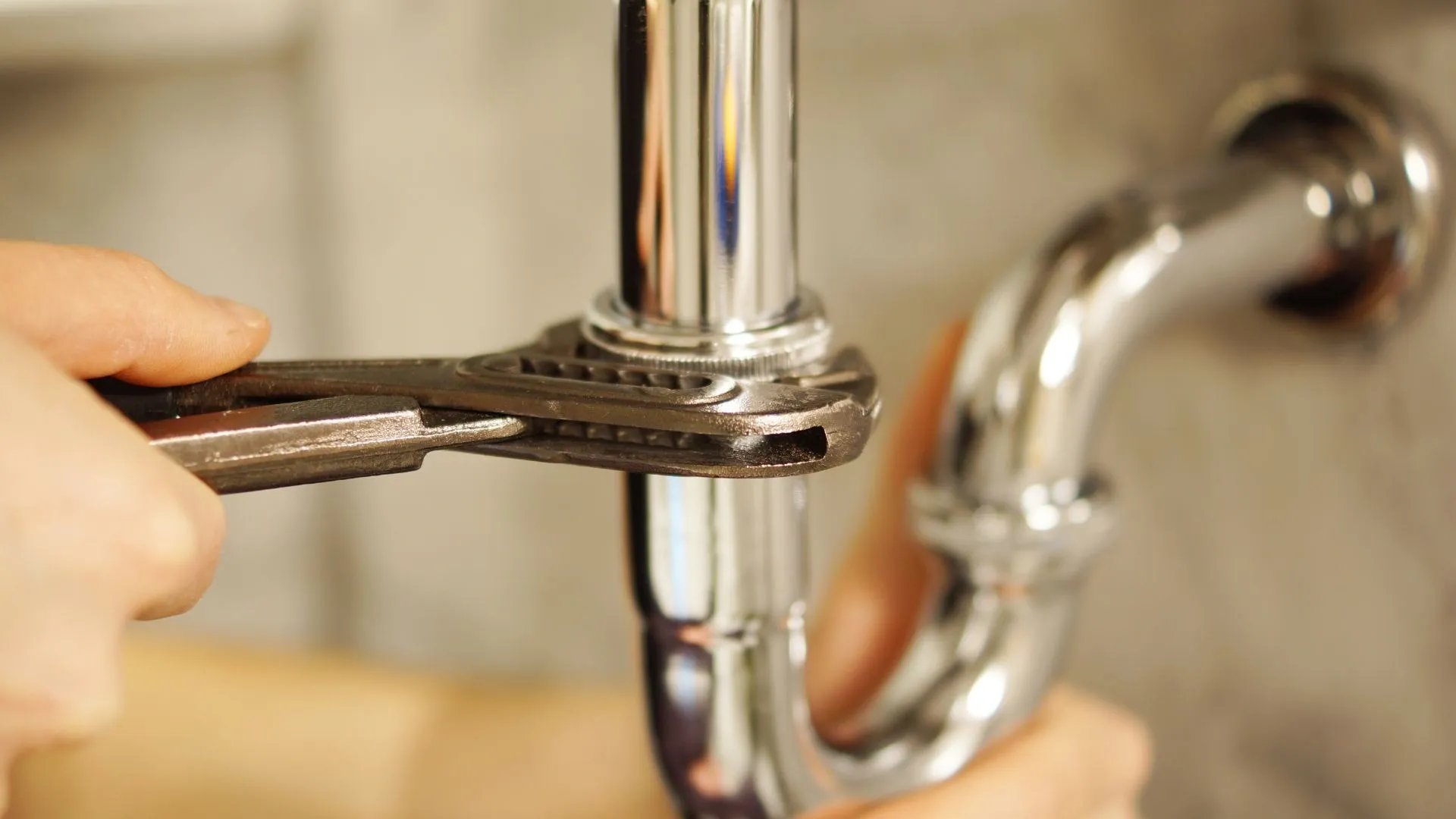
A burst pipe can turn a normal day into a serious home emergency within minutes. Water can spread across floors, soak drywall and insulation, damage cabinets and flooring, and reach areas you may not notice until much later. That is why burst pipe damage restoration needs to begin as soon as the water source is controlled.
If a pipe has just burst in your home, the first priorities are simple: stop the water if it is safe to do so, stay away from electrical hazards, protect yourself from unsafe standing water, document the damage, and arrange professional restoration.
But what happens after that?
The recovery process usually involves much more than fixing the damaged pipe. Your home may need water extraction, moisture inspection, structural drying, damaged-material removal, cleaning, repairs, and a final inspection to make sure hidden moisture has not been left behind.
This step-by-step guide explains what to expect after a burst pipe and how professional restoration can help get your Macon, GA home back to a safe and livable condition.
Key Takeaways
- Shut off the main water supply as quickly as safely possible.
- Avoid standing water when electrical hazards may be present.
- Photograph and document visible damage before moving damaged belongings.
- A plumber may be needed for emergency pipe burst repair or broken pipe repair.
- Professional water extraction services remove standing water faster and more thoroughly.
- Drying must address moisture hidden behind walls, underneath flooring, and inside insulation.
- Damaged materials may need to be removed and replaced.
- Cleaning and sanitization can help address odors and contamination.
- A final moisture inspection is important before restoration is considered complete.
What Happens to Your Home After a Burst Pipe?
After a burst pipe, your home typically goes through several stages of recovery:
- The water source is stopped.
- The property is inspected for visible and hidden damage.
- Standing water is removed.
- Wet materials and belongings are evaluated.
- Structural areas are dried and dehumidified.
- Damaged materials are cleaned, removed, or treated.
- Repairs and reconstruction are completed.
- A final inspection confirms that the affected areas are properly restored.
The exact process depends on where the pipe failed, how much water escaped, how long the water remained, and which building materials were affected.
Step 1: Stop the Water and Make the Area Safe
Your first priority is controlling the source of the water.
If you can safely access the main shutoff valve, turn off the home's water supply. For a localized plumbing problem, an individual fixture shutoff may also stop the flow.
Do not enter standing water if you suspect electricity may be present. Water and electrical systems can create a dangerous combination. Move family members and pets away from the affected area until it is safe.
A burst pipe can continue releasing water until the source is controlled, so delaying this step can allow the damage to spread into additional rooms and building materials.
What You Should Not Do
Avoid rushing into cleanup without considering safety. Do not:
- Walk through potentially energized standing water.
- Turn electrical equipment on or off while standing in water.
- Cut into walls without knowing where electrical or plumbing lines are located.
- Use household fans around water near electrical hazards.
- Remove large amounts of damaged material before the property is assessed.
When the situation is unsafe or extensive, professional assistance is the better option.
Step 2: Arrange Emergency Pipe Burst Repair
Stopping the water flow is only the beginning. The failed pipe still needs to be identified and repaired.
Emergency pipe burst repair may involve locating the damaged section, isolating the affected plumbing, replacing the failed component, and checking the system for additional problems.
Common reasons pipes fail include:
Freezing
When water freezes inside a pipe, expansion can create pressure that contributes to a rupture.
Corrosion
Older plumbing can weaken over time through corrosion, particularly around joints and connections.
High Water Pressure
Excessive pressure can put stress on plumbing components and connections.
Aging or Damaged Materials
Pipes can fail because of age, deterioration, improper installation, impact, or other physical damage.
Hidden Plumbing Problems
A pipe may fail inside a wall, beneath flooring, or in another difficult-to-access location. In these situations, simply drying the visible water is not enough. The plumbing problem must be corrected and the affected building materials evaluated.
KC Construction & Restoration already provides Emergency Pipe Burst Repair, Broken Pipe Repair, and water pipe leak repair as part of its restoration and plumbing-related services.
Step 3: Document the Water Damage
Before major cleanup begins, document what happened whenever it is safe to do so.
Take photographs and videos of:
- Wet floors and carpeting
- Water-damaged walls and ceilings
- Damaged furniture
- Appliances and electronics
- Cabinets and countertops
- Personal belongings
- Visible pipe damage
- Water stains or discoloration
Keep notes about when the burst pipe was discovered and when the water was shut off.
This information can be useful when communicating with your insurance company and restoration professionals.
Do not delay emergency mitigation simply to take pictures. Your safety and stopping further damage come first.
Step 4: Inspect the Full Extent of the Damage
One of the biggest mistakes homeowners make after a burst pipe is assuming that the visible water represents the entire problem.
Water does not always stay where you can see it.
It can travel underneath flooring, behind drywall, into insulation, beneath cabinets, through wall cavities, and into lower levels of the home.
That is why a proper inspection should look beyond the obvious wet areas.
Signs of Hidden Water Damage
Watch for:
- Soft or swollen drywall
- Buckled flooring
- Peeling paint
- Staining on ceilings or walls
- Warped trim and baseboards
- Musty odors
- Damp insulation
- Persistent humidity
- Water appearing in another room below or next to the original leak
Professional moisture-detection tools can help identify areas that appear dry on the surface but remain wet underneath.
KC Construction's water damage restoration process includes moisture inspection and mapping to help determine the full extent of affected areas.
Step 5: Begin Water Extraction
Once the property is safe and the damaged areas have been assessed, the next priority is removing standing water.
This is where professional water extraction services can make a major difference.
Restoration professionals use commercial extraction equipment designed to remove large amounts of water from carpets, flooring, and other affected surfaces much more efficiently than basic household equipment.
The goal is not simply to make the floor look dry.
The goal is to remove as much water as possible before remaining moisture causes additional damage.
Why Fast Water Removal Matters
The longer water remains in porous building materials, the more opportunity it has to spread deeper into the structure.
Water can affect:
- Drywall
- Subfloors
- Hardwood
- Carpet and padding
- Baseboards
- Cabinets
- Insulation
- Stored belongings
- Structural wood
Fast extraction can help reduce the amount of secondary damage and make the drying process more manageable.
Step 6: Dry the Structure, Not Just the Surface
After extraction, drying begins.
This is one of the most important parts of burst pipe damage restoration because a home can appear dry while hidden moisture remains inside materials.
Professional restoration may involve commercial air movers, dehumidifiers, moisture meters, and other equipment designed to control moisture throughout the affected area.
Why Dehumidification Is Important
Removing standing water does not automatically remove all moisture from the air or building materials.
Drying and dehumidification help reduce remaining moisture and create better conditions for affected materials to dry.
Technicians may monitor moisture levels throughout the process rather than simply leaving equipment running and assuming the area is dry.
KC Construction & Restoration's existing restoration process specifically includes water extraction followed by drying and dehumidification using commercial equipment.
Step 7: Remove or Evaluate Damaged Materials
Not every water-damaged material needs to be discarded.
The decision depends on the material, how saturated it became, how long it stayed wet, the type of water involved, and whether it can be safely cleaned and dried.
Depending on the situation, restoration may involve evaluating or removing:
- Wet drywall
- Saturated insulation
- Damaged carpet padding
- Swollen baseboards
- Warped flooring
- Damaged cabinetry
- Porous materials that cannot be adequately dried or restored
Removing materials should be done carefully because unnecessary demolition can increase restoration costs and create additional repair work.
The goal is controlled removal of materials that cannot be effectively restored while preserving what can safely remain.
Step 8: Complete Water Damage Cleanup and Sanitization
Water cleanup is more than pumping out standing water.
Affected areas may need cleaning, debris removal, odor treatment, and sanitization depending on the situation.
This is particularly important when water has contacted dirty areas, drains, sewage, chemicals, or other contaminants.
Professional water damage cleanup should address the affected environment rather than focusing only on what is visibly dirty.
A thorough cleanup can include:
- Removing debris
- Cleaning affected surfaces
- Treating odors
- Sanitizing appropriate areas
- Cleaning salvageable belongings
- Preparing surfaces for repairs
If the property remains damp, odors or microbial growth can become ongoing concerns, which is another reason thorough drying matters.
Step 9: Check for Mold and Secondary Damage
A burst pipe creates a moisture event, and moisture left behind can create conditions where microbial growth becomes a concern.
Do not assume that a home is completely restored simply because there is no longer standing water.
Potential warning signs include:
- New musty odors
- Persistent dampness
- Discoloration
- Damp insulation
- Moisture behind walls
- Repeated condensation
- Visible growth on affected materials
A professional assessment can help determine whether additional cleaning, material removal, or mold remediation is necessary.
KC Construction & Restoration also provides mold inspection, testing, cleanup, and remediation, allowing water-related problems and subsequent moisture concerns to be addressed within the same restoration ecosystem.
Step 10: Repair the Damage and Restore Your Home
Once the property is dry and affected materials have been addressed, the rebuilding stage can begin.
Depending on the severity of the burst pipe, restoration may include:
- Drywall replacement
- Flooring repair or replacement
- Baseboard replacement
- Cabinet repairs
- Painting
- Insulation replacement
- Structural repairs
- Plumbing repairs
- Reconstruction of affected areas
This is an important distinction:
Pipe repair fixes the plumbing failure. Restoration fixes the consequences of that failure.
A homeowner may need both.
For example, replacing a broken section of pipe does not repair a damaged hardwood floor or wet drywall. Those parts of the home still need to be evaluated and restored.
KC Construction's water damage restoration service includes repairs and rebuilds for water-damaged flooring, drywall, and other affected portions of a property.
How Long Does Burst Pipe Damage Restoration Take?
There is no single timeline for every burst pipe.
A small, quickly discovered plumbing failure may require limited drying and repairs. A major pipe rupture that affects several rooms, walls, ceilings, or flooring can take considerably longer.
The timeline depends on:
- The amount of water released
- How quickly the source was stopped
- The affected materials
- How long the materials remained wet
- The size of the affected area
- Whether hidden moisture is present
- Whether damaged materials need replacement
- The complexity of plumbing and reconstruction work
The restoration process should continue until affected materials reach appropriate moisture conditions rather than stopping simply because surfaces feel dry.
What Does Burst Pipe Damage Restoration Include?
A complete restoration project can involve several services working together:
Emergency response: Immediate assessment and damage control.
Broken pipe repair: Repair or replacement of the failed plumbing.
Water extraction: Removal of standing water and saturated moisture.
Moisture inspection: Identification of visible and hidden affected areas.
Structural drying: Drying walls, floors, ceilings, and other building materials.
Cleaning and sanitization: Cleaning affected areas and addressing odors or contamination.
Mold assessment: Evaluation when persistent moisture or visible growth is present.
Repairs and reconstruction: Rebuilding damaged portions of the property.
This complete approach is more effective than treating a burst pipe as a simple plumbing repair.
What Should You Do If a Pipe Bursts While You Are Away?
Sometimes homeowners discover a burst pipe after returning from work, vacation, or a trip.
In that situation:
- Do not enter an unsafe area.
- Shut off the main water supply if accessible and safe.
- Be cautious around electrical systems.
- Photograph the damage.
- Contact your insurance provider as appropriate.
- Arrange emergency plumbing and restoration services.
- Do not assume the visible damage is the entire problem.
The longer water remains in a home, the greater the chance that it will spread into additional materials.
Can You Clean Up a Burst Pipe Yourself?
Minor water leaks may sometimes be manageable with basic household cleanup.
A major burst pipe is different.
DIY cleanup may not identify moisture behind walls, underneath floors, or inside insulation. Household fans may also be inadequate for drying a heavily saturated structure.
Professional restoration is especially appropriate when:
- There is substantial standing water.
- Multiple rooms are affected.
- Water has reached walls or ceilings.
- Flooring is saturated.
- The water source is contaminated.
- Electrical hazards may be present.
- You suspect hidden moisture.
- Mold or persistent odors develop.
- Structural materials appear damaged.
The objective is not merely to remove visible water. It is to restore the affected area safely and prevent remaining moisture from causing additional problems.
How Can You Prevent Another Burst Pipe?
Once your home has been restored, prevention becomes the next priority.
Consider these measures:
Protect Pipes During Cold Weather
Insulate vulnerable pipes in areas exposed to cold temperatures.
Check Older Plumbing
Have aging pipes and fittings inspected before a small weakness becomes a major failure.
Watch for Warning Signs
Low water pressure, corrosion, stains, unexplained dampness, or unusual plumbing noises can justify further inspection.
Know Your Main Water Shutoff
Every homeowner should know where the main water shutoff is located and how to operate it.
Consider Leak Detection Technology
Smart leak sensors and automatic shutoff systems can alert homeowners to abnormal water activity and, depending on the system, may help stop a leak before it becomes catastrophic.
Why Macon Homeowners Should Act Quickly After a Burst Pipe
Homes in Macon and Middle Georgia can experience plumbing emergencies just like properties elsewhere, and the damage does not have to be limited to the room where a pipe failed.
Water can move through floors, walls, crawl spaces, and other connected parts of a home.
KC Construction & Restoration is based in Macon and serves Macon, Middle Georgia, and surrounding areas. The company provides 24/7 restoration services and handles water damage cleanup, water damage mitigation, broken water pipe and plumbing work, mold-related services, and repairs.
That combination is valuable after a major plumbing failure because homeowners may need more than one type of service during recovery.
Burst Pipe Damage Restoration: What Happens Next?
A burst pipe does not end when the water stops flowing.
Your home still needs to be inspected for hidden moisture, standing water needs to be extracted, affected materials need to be dried and evaluated, and repairs need to be completed.
The most important steps are:
Stop → Inspect → Extract → Dry → Clean → Repair → Restore
Getting professional help early can reduce the chance that a plumbing emergency becomes a larger restoration problem.
If your home in Macon, GA or the surrounding area has suffered water damage from a burst pipe, KC Construction & Restoration provides 24/7 emergency restoration assistance. Contact the team at 478-785-0444 to discuss the next steps.
Frequently Asked Questions
What is burst pipe damage restoration?
Burst pipe damage restoration is the process of recovering a property after a pipe failure causes water damage. It can include water extraction, moisture inspection, structural drying, cleaning, sanitization, damaged-material removal, repairs, and reconstruction.
What should I do first when a pipe bursts?
If it is safe, shut off the main water supply and keep people away from potentially hazardous areas. Avoid standing water where electrical hazards may exist, document the damage, and arrange professional plumbing and restoration assistance.
Does fixing the broken pipe fix the water damage?
No. Broken pipe repair stops the plumbing problem, but the water that escaped may have already damaged floors, walls, insulation, cabinets, ceilings, or belongings. Those areas may require separate restoration.
Do I need professional water extraction after a burst pipe?
Professional water extraction services can be especially important when significant amounts of water have entered the property. Commercial extraction equipment can remove water from affected areas more efficiently and can be combined with professional moisture inspection and drying.
Can a burst pipe cause hidden water damage?
Yes. Water can travel behind drywall, beneath flooring, inside insulation, and into other areas that are not immediately visible. A moisture inspection can help identify these hidden wet areas.
How long does it take to restore a home after a burst pipe?
There is no universal timeline. The duration depends on the amount of water, affected materials, how quickly the leak was stopped, hidden moisture, drying requirements, and the extent of repairs and reconstruction.
Can burst pipe damage lead to mold?
Persistent moisture can create conditions that support microbial growth. Thorough extraction and drying are important parts of reducing moisture-related risks after a plumbing emergency.
Will insurance cover burst pipe water damage?
Coverage depends on the specific policy, the cause of the loss, exclusions, and the circumstances of the incident. Homeowners should review their policy and contact their insurance provider about a specific claim.
Should I replace wet drywall after a burst pipe?
Not automatically. The appropriate action depends on how saturated the drywall became, the water conditions, how long it remained wet, and whether it can be safely dried or restored. A professional assessment can help determine whether removal is necessary.
Who can help with burst pipe damage restoration in Macon, GA?
KC Construction & Restoration provides 24/7 water damage restoration and mitigation services in Macon and surrounding areas, including water removal, drying, cleanup, and repairs. The company also provides broken water pipe and plumbing services.
Final Word
A burst pipe can affect far more than your plumbing. Water may move into walls, flooring, ceilings, insulation, cabinets, crawl spaces, and personal belongings before the full extent of the damage becomes obvious.
That is why burst pipe damage restoration should be approached as a complete recovery process.
Stop the water. Make the property safe. Identify the full extent of the damage. Remove standing water. Dry the structure thoroughly. Clean affected areas. Repair damaged materials. Then verify that the home is ready to return to normal.
For homeowners in Macon, GA and surrounding Middle Georgia communities, KC Construction & Restoration is available 24/7 for emergency water damage restoration and related plumbing and repair needs.
Need help after a burst pipe? Call KC Construction & Restoration at 478-785-0444.