Bulk Weed Strains: Understanding Aroma, Terpenes, and THC Labels
By Jose Henry
6 Views
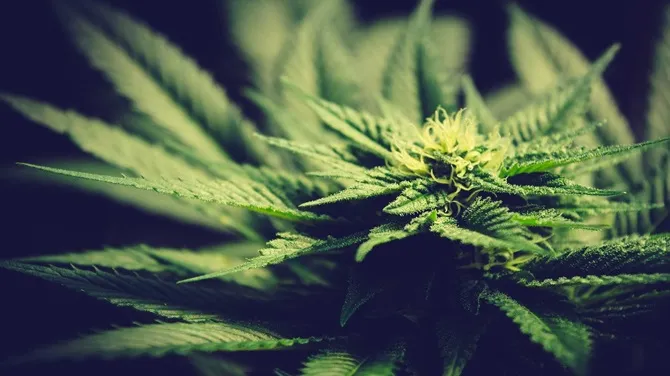
Choosing bulk weed strains involves more than comparing prices or looking at THC percentages. Aroma, terpene profiles, cannabinoid content, and product labels all contribute to how cannabis flower is described and evaluated. Understanding these factors helps readers interpret product information more accurately and distinguish meaningful quality indicators from marketing claims.
Exploring the Aroma of Different Weed Strains
Aroma is one of the most recognizable characteristics of cannabis flower. Depending on the strain, its scent may be described as earthy, citrusy, fruity, piney, floral, spicy, or diesel-like. These differences largely result from the plant's chemical composition, particularly its volatile aromatic compounds.
For bulk purchases, aroma descriptions can provide useful information about a strain's sensory profile. Citrus-forward varieties may have bright, lemon-like notes, while earthy strains can feature woody or herbal characteristics. Some varieties combine several aromas, creating more complex profiles.
However, aroma alone cannot confirm freshness, potency, purity, or overall quality. Storage conditions, cultivation practices, curing methods, and packaging can influence the final scent. A reliable evaluation should therefore consider multiple characteristics rather than relying exclusively on smell.
Understanding Terpenes and Their Profiles
Terpenes are naturally occurring compounds found in many plants, including cannabis. They contribute to distinctive aromas and flavors and help explain why different strains can smell noticeably different.
Some commonly discussed cannabis terpenes include:
-
Myrcene: Often associated with earthy, musky, and herbal aromas.
-
Limonene: Known for citrus-like notes reminiscent of lemon and orange.
-
Pinene: Commonly associated with pine and fresh evergreen scents.
-
Caryophyllene: Often described as peppery, woody, or spicy.
-
Linalool: Recognized for floral aromas similar to lavender.
Different cannabis varieties may contain varying combinations and concentrations of these compounds. A terpene profile can offer a more detailed description than a strain name alone, particularly when comparing products from different growers.
It is important to distinguish aroma descriptions from medical claims. Although researchers continue investigating the biological effects of terpenes and cannabinoids, laboratory findings do not automatically establish specific health benefits or predictable effects in humans.
What THC Labels Actually Tell You
THC labels are another important consideration when interpreting bulk cannabis products. THC, or delta-9-tetrahydrocannabinol, is the primary intoxicating cannabinoid commonly associated with cannabis.
Product labels may display THC as a percentage by weight. For example, a flower labeled 20% THC indicates approximately 200 milligrams of THC per gram of material under the stated measurement convention. This figure describes concentration, not the amount necessarily absorbed by the body.
Higher THC percentages do not automatically mean better quality. Cultivation methods, terpene composition, storage, cannabinoid balance, and testing reliability can all contribute to a product's overall characteristics.
Consumers should also understand the difference between advertised potency and independently verified results. A certificate of analysis from a qualified laboratory can provide information about cannabinoid concentrations, testing methods, and, where tested, contaminants such as pesticides, heavy metals, or microbial impurities.
Evaluating Bulk Strains Beyond the Label
When comparing bulk weed strains, consider the complete product profile rather than focusing on a single specification. Look for consistent batch information, transparent laboratory testing, appropriate packaging, and documented storage conditions.
Strain names and categories such as indica, sativa, and hybrid can offer general descriptive context, but they do not reliably predict every product's chemical composition or individual response.
Legal requirements also vary significantly by location. Buyers and businesses should verify applicable cannabis laws, licensing requirements, and product-testing standards before purchasing or distributing cannabis.
Conclusion
Understanding aroma, terpenes, and THC labels provides a more informed approach to evaluating bulk weed strains. Aroma describes sensory characteristics, terpenes help explain those characteristics, and THC percentages indicate cannabinoid concentration. Together with reliable laboratory results and transparent product information, these factors create a clearer picture of cannabis flower quality without relying solely on marketing language.