Bulk Amazon Shoe Pallets: Understanding Assorted Footwear Inventory for Resellers
By andy gibson
62 Views
Introduction
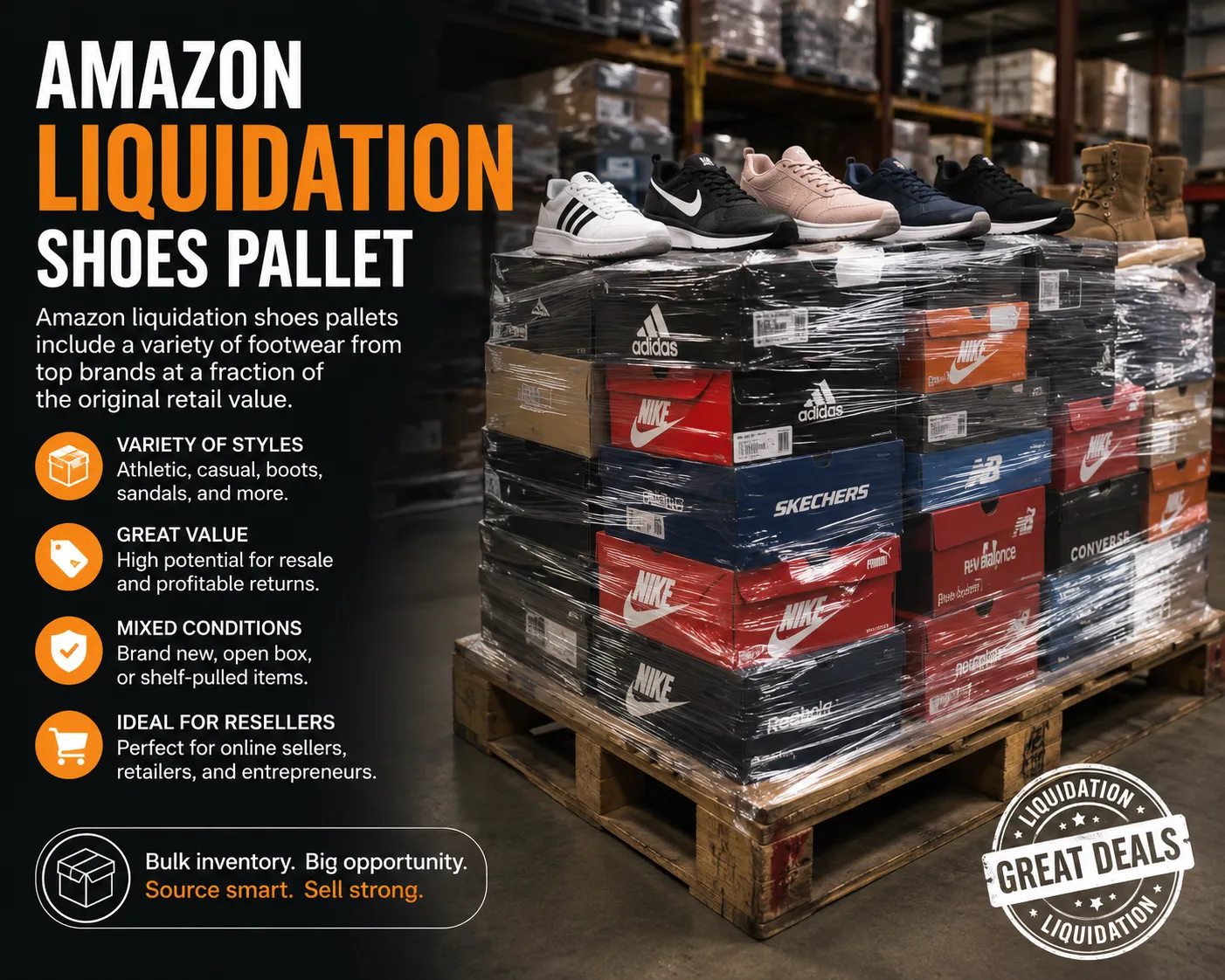
Bulk Amazon shoe pallets are a common source of inventory for resellers, discount retailers, online marketplace sellers, and liquidation businesses. These wholesale lots often contain a mixed selection of footwear sourced from customer returns, overstock inventory, shelf pulls, seasonal clearance, and excess warehouse stock.
Because each pallet is assembled differently, buyers can expect a varied assortment of shoe styles, sizes, brands, and conditions. Understanding how these pallets are sourced and managed can help businesses make informed purchasing decisions and improve inventory planning.
What Are Amazon Shoe Pallets?
An Amazon shoe pallet is a wholesale shipment containing multiple pairs of footwear packaged together on a standard pallet. Instead of purchasing individual products, buyers receive a mixed inventory that may include athletic shoes, casual footwear, boots, sandals, children's shoes, and work shoes.
The exact assortment depends on the supplier, inventory source, and available stock at the time of purchase.
Where Does the Inventory Come From?
Most Amazon shoe pallets include inventory originating from several retail channels, including:
- Customer returns
- Overstock merchandise
- Shelf pulls
- Seasonal inventory changes
- Warehouse surplus
- Packaging updates
- Discontinued product lines
Products from these sources are grouped into wholesale lots and distributed through liquidation companies and business-to-business marketplaces.
What Brands May Be Included?
Depending on the pallet, buyers may receive footwear from a variety of well-known brands. Common examples include:
- Nike
- adidas
- Puma
- New Balance
- ASICS
- Reebok
- Skechers
- Vans
- Converse
- Under Armour
Not every pallet contains the same brands, and product availability varies based on incoming inventory.
Understanding Product Conditions
Wholesale shoe pallets usually contain footwear in one or more condition categories. While grading systems differ among suppliers, common descriptions include:
- New
- Like New
- Open Box
- Shelf Pull
- Customer Return
- Mixed Condition
Reviewing the supplier's condition guide helps buyers understand what to expect before placing an order.
Benefits of Mixed Footwear Inventory
Receiving a pallet with assorted footwear offers several operational advantages for resellers.
A mixed inventory may provide:
- A variety of shoe styles
- Multiple brands
- Different sizes
- Seasonal products
- Men's, women's, and children's footwear
- Inventory suitable for multiple sales channels
This diversity allows businesses to offer a broader product selection while managing inventory through a single wholesale purchase.
Inspecting Inventory After Delivery
Once a pallet arrives, many businesses inspect every pair before listing products for sale.
Typical inspection includes:
- Checking cosmetic condition
- Verifying matching pairs
- Confirming shoe size
- Inspecting soles and uppers
- Identifying missing accessories
- Recording product information
- Organizing inventory by condition
Maintaining detailed inventory records improves warehouse organization and simplifies future stock management.
Organizing Inventory Efficiently
Proper organization helps retailers locate products quickly and manage stock more effectively.
Many businesses sort footwear by:
- Brand
- Size
- Style
- Gender
- Product category
- Condition
A structured inventory system can improve workflow and reduce handling time during order fulfillment.
Choosing a Reliable Supplier
Before purchasing a shoe pallet, buyers should review the information provided by the supplier.
Useful details include:
- Product condition descriptions
- Inventory manifests, when available
- Representative photographs
- Shipping information
- Return policies
- Inventory source
- Packaging details
Transparent documentation allows buyers to better understand the expected contents of each pallet.
Managing Footwear Inventory
Footwear inventory benefits from clean, dry storage and organized shelving. Separating products by category and maintaining accurate stock records can reduce handling errors and improve operational efficiency.
Businesses that routinely inspect and document incoming inventory are often better prepared for pricing, storage, and future sales.
Conclusion
Bulk Amazon shoe pallets provide resellers with access to a diverse assortment of footwear through a single wholesale shipment. Since inventory composition and product conditions vary from pallet to pallet, understanding liquidation grading, reviewing supplier documentation, and implementing organized inspection procedures are important steps for effective inventory management.
Whether inventory is intended for retail stores, online marketplaces, export businesses, or discount outlets, careful planning and structured inventory management can help businesses make the most of mixed footwear liquidation inventory while supporting long-term operational efficiency.