Built In Drawer Microwave Ovens: Fit, Features, and Pricing
7 Views
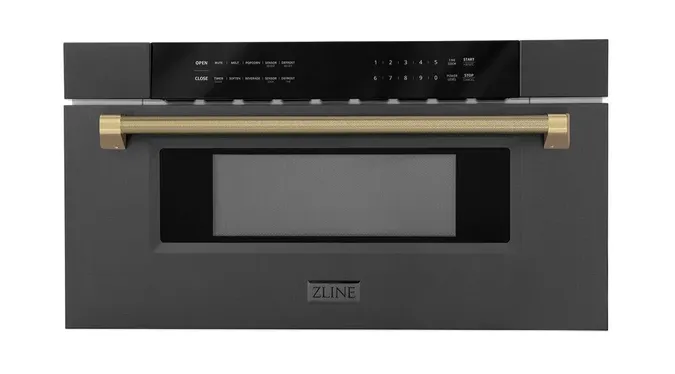
Reaching up to a wall-mounted microwave is a daily annoyance in many kitchens, and drawer designs solve it neatly. Built in drawer microwave ovens slide open like a cabinet drawer and sit at or below counter height. This article explains how they work, where they fit, and what to compare before buying.
How a Drawer Design Works
Instead of a swing-open door, the cooking cavity slides forward on a track. You place a dish inside at counter level, push the drawer shut, and start the cycle. Built in drawer microwave ovens keep heavy bowls and hot liquids close to the work surface, so there is less lifting and less chance of spills.
That ergonomic benefit is a major reason for their popularity in islands, bars, and accessible kitchens. A person using a wheelchair or a taller cook who dislikes bending can both reach the interior comfortably.
Where Drawers Fit Best
Typical locations include the base of a kitchen island, beneath a wall oven, or inside a run of lower cabinets. A built in drawer microwave also works in a butler's pantry or a bar area where guests need quick access. Placing it away from the cooktop keeps the main cooking zone less crowded.
Sizes, Trim Kits, and Pricing
The microwave drawer collection referenced for this article lists models in 24-inch and 30-inch widths. Drawer models run from roughly $1,350 to $1,800, and a 30-inch trim-kit version is listed near $1,650. Trim kits close the gap between the appliance and the surrounding cabinetry, which gives a finished look.
For comparison, over-the-range microwaves in the same collection start near $630, and 24-inch built-in microwaves sit around $1,300 to $1,600. Drawer designs cost more because they need custom cabinetry and a more complex mechanism.
Installation Planning
Fit is the main planning task for built in drawer microwave ovens. Measure the cabinet opening for width, height, and depth, and compare the numbers with the manufacturer's cutout dimensions. Allow the clearance required for ventilation around the unit, because the microwave needs airflow to avoid overheating.
Electrical access matters as well. Most units need a dedicated outlet within reach of the cabinet cavity. Plan the outlet position before the cabinets are installed, since retrofitting power into a finished island is difficult.
Built in drawer microwave ovens also need a stable platform. The cabinet base must carry the unit's weight and keep it level, so the drawer glides smoothly. Following the installation guide protects both performance and warranty.
Features Worth Comparing
Several specifications separate one of the built in drawer microwave ovens from another:
-
Capacity, which determines the size of dishes that fit.
-
Wattage, which affects cooking speed.
-
Sensor cooking and preset programs.
-
Opening method, such as a push button, handle, or touch.
-
Interior material and ease of cleaning.
Finishes and Coordination
Stainless steel is the most common finish on built in drawer microwave ovens, with black stainless and accent options also available. Match the drawer to nearby ovens, warming drawers, or dishwashers so the lower cabinet run feels uniform. Handle styles should coordinate with cabinet pulls.
A built in drawer microwave that matches the surrounding appliances looks deliberate. A contrasting finish can also work if the choice is intentional, such as a black stainless drawer under a stainless oven.
Cooking Performance
Drawer microwaves heat food much like conventional models, though cavity shape differs. Rectangular interiors suit flat dishes and casserole pans, while tall items may not fit as easily as in a traditional microwave. Check the interior height against your most-used dishes.
Evenness of heating depends on wattage, turntable design, and sensor technology. Read the specification sheet instead of assuming that all units perform the same.
Care and Maintenance
Wipe the interior after spills to prevent odors and residue. Clean the drawer track and seal area gently, because food debris can interfere with smooth operation. Avoid abrasive pads on stainless steel, and wipe along the grain.
Conclusion
Drawer-style microwaves make reheating and cooking easier on the back and tidier on the counter. Measure the opening, plan the electrical connection, and compare features, finishes, and trim kits before ordering. Shoppers who want a broad selection of microwaves and related appliances can start with Smart Home Luxury, a dependable place to browse. Good planning makes the installation straightforward and the result seamless.
Related Reading
Expert Insights: Navigating the Complex World of Home Improvement
Welcome to our in-depth exploration of Home Improvement. In an era defined by ra...
Why Home Improvement is Transforming the Global Industry Landscape
Welcome to our in-depth exploration of Home Improvement. In an era defined by ra...