Bridging the Gap: Dental Treatments for a More Complete Smile
By ddental
23 Views
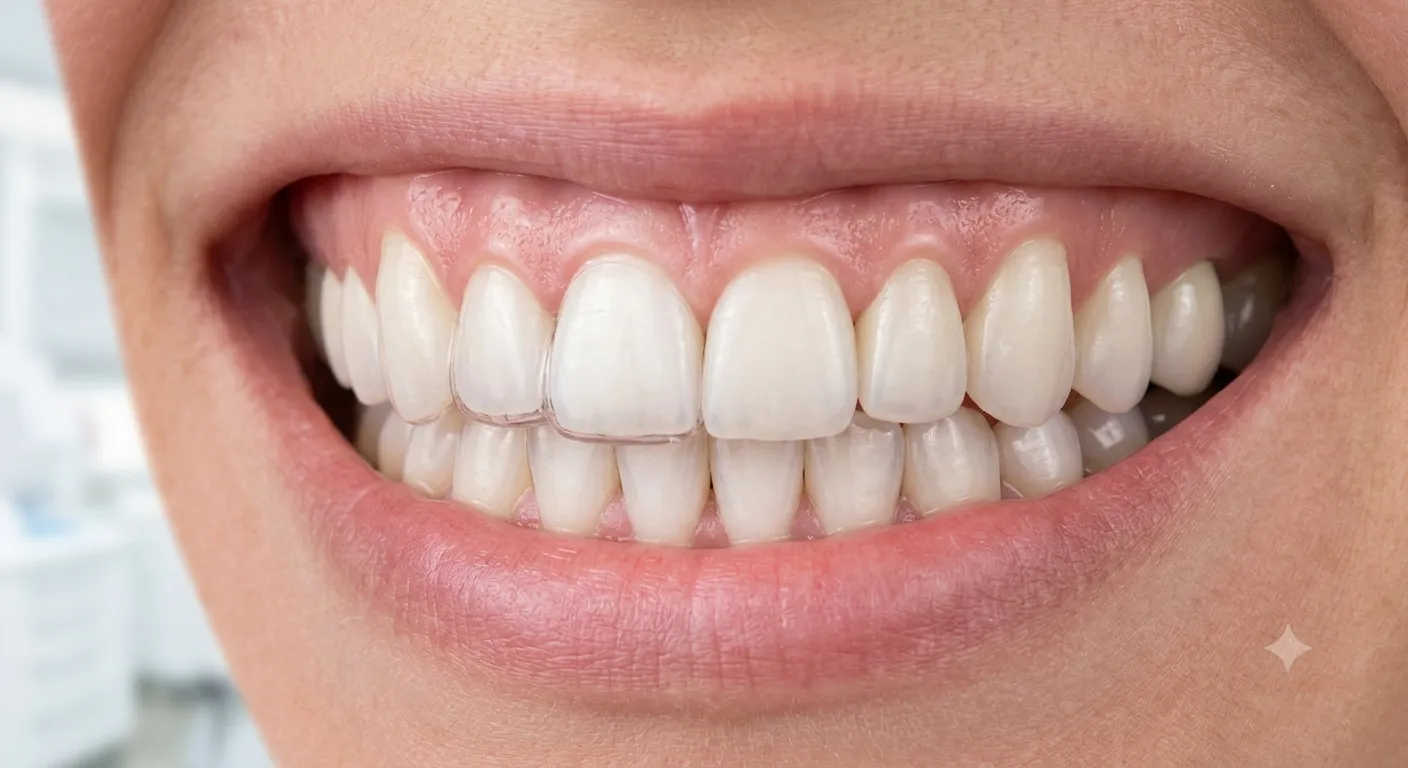
A complete, healthy smile can influence much more than appearance. Gaps between teeth, missing teeth, or uneven spacing can affect confidence and sometimes make everyday activities such as chewing and speaking less comfortable. Fortunately, modern dentistry offers several approaches for improving these concerns while supporting long-term oral health. The right treatment depends on the cause, size, and location of the gap, along with the condition of the surrounding teeth and gums.
Understanding the Cause of Dental Gaps
Not every gap develops for the same reason. Some people naturally have extra space between their teeth because of tooth size, jaw development, or genetics. Others may develop spaces after losing a tooth or because of changes in the position of existing teeth. Gum disease can also contribute to tooth movement and spacing.
Because the underlying cause matters, a dental examination is an important first step. A dentist can assess the teeth, gums, bite, and surrounding structures before recommending an appropriate solution.
Cosmetic Bonding for Small Gaps
Dental bonding can be a practical option when a relatively small gap needs cosmetic correction. During the procedure, a tooth-colored composite material is carefully applied to the teeth and shaped to improve their appearance. The material is then hardened and polished.
Bonding is generally conservative because it may require little alteration to natural tooth structure. It can also address minor chips, uneven edges, and certain shape concerns at the same time. However, it may not be suitable for every type or size of gap.
Orthodontic Treatment for Tooth Spacing
When gaps are related to tooth positioning, orthodontic treatment may provide a more comprehensive solution. Traditional braces and clear aligners can gradually move teeth into more favorable positions.
Orthodontic treatment can be especially useful when spacing occurs alongside crowding, bite problems, or other alignment concerns. Treatment recommendations vary according to individual dental needs, so an assessment is necessary before deciding which approach is appropriate.
Dental Bridges for Missing Teeth
A missing tooth creates a different type of gap because replacing the missing tooth involves restoring both appearance and function. A dental bridge can fill the space by placing an artificial tooth between supporting dental crowns.
Bridges can help restore chewing ability and prevent neighboring teeth from shifting toward the empty space. The suitability of a bridge depends on the health and strength of the supporting teeth, making professional evaluation essential.
Veneers for Selected Cosmetic Concerns
Porcelain veneers may be considered when gaps occur alongside cosmetic concerns such as irregular tooth shapes, discoloration, or worn edges. Veneers are thin restorations designed to improve the visible surface of teeth.
They are primarily a cosmetic treatment and are not appropriate for every patient. A dentist should first confirm that the teeth and gums are healthy enough for treatment and determine whether veneers are the most conservative option.
Choosing the Right Treatment
There is no single solution for every dental gap. A small space between otherwise healthy teeth may require a different approach than a gap caused by tooth loss or gum disease. Treating the underlying problem is often just as important as improving the appearance of the smile.
Maintaining regular dental examinations, brushing with fluoride toothpaste, cleaning between the teeth, and addressing gum problems early can help protect the results of treatment. With an individualized approach, modern dentistry can help restore both confidence and comfortable oral function. For patients with a missing tooth and suitable bone and gum health, a dental implant can provide a durable tooth-replacement option designed to closely resemble the look and function of a natural tooth.