Bridal Jewellery Set: A Complete Guide for Indian Brides
By Shaadinama
3 Views
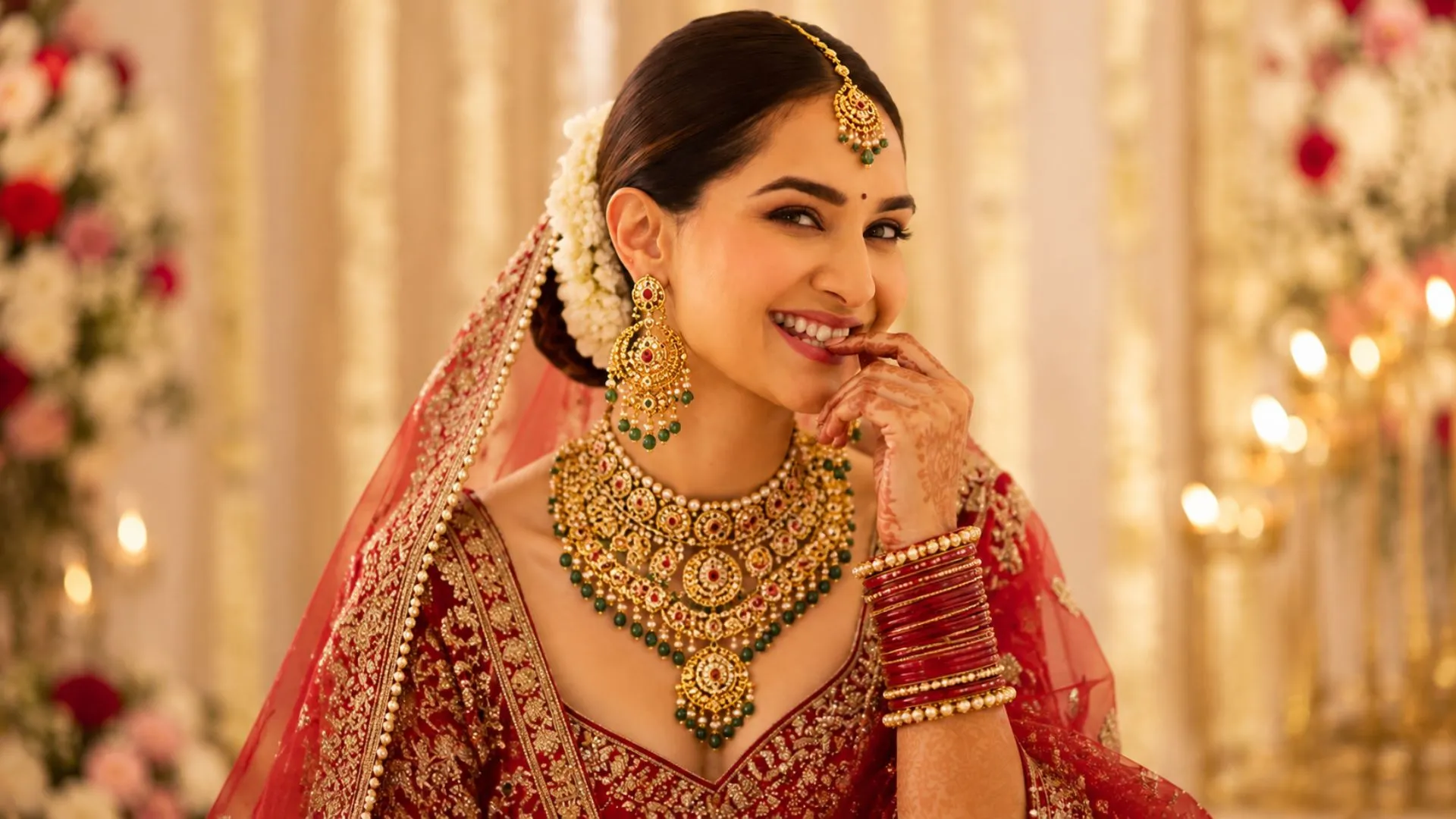
Choosing a bridal jewellery set is one of the most important parts of creating your wedding-day look. The right jewellery does more than add sparkle. It frames your face, complements your bridal outfit, reflects your personal style, and often carries family traditions and emotional meaning.
For an Indian bride, the choices can feel overwhelming. There are gold, kundan, polki, diamond and gemstone designs, along with necklaces, earrings, maang tikka, bangles, nath, kamarbandh and many other pieces to consider.
The challenge is not simply finding beautiful jewellery. It is finding a bridal jewellery set that works with your outfit, feels comfortable during long ceremonies, fits your budget and remains meaningful after the wedding.
This guide explains how to choose bridal jewellery thoughtfully, from selecting the right pieces and metal to checking quality, planning your budget and creating a look that feels personal.
What Is a Bridal Jewellery Set?
A bridal jewellery set is a coordinated collection of jewellery designed to create a complete bridal look. Depending on the bride, wedding traditions and regional customs, it can include several different pieces.
A typical bridal jewellery set may include a necklace, earrings, maang tikka, bangles and rings. Some brides may also add a matha patti, nath, haath phool, kamarbandh or additional layered necklaces.
There is no fixed rule that says every bride must wear every piece. The purpose of a set is to create visual balance and coordination rather than simply increase the number of ornaments.
What Does a Bridal Jewellery Set Usually Include?
The necklace is often the focal point of the bridal jewellery set. It may be a choker, long haar, rani haar or a combination of different necklace lengths.
Earrings should complement the scale of the necklace without making the overall look feel crowded. Maang tikka or matha patti can frame the forehead, while bangles and rings complete the styling.
Traditional pieces such as a nath, kamarbandh and haath phool can add cultural significance and visual detail. Whether these pieces are included depends on the bride's traditions, outfit and personal preference.
Should Every Jewellery Piece Match?
Not necessarily.
A bridal jewellery set does not have to look identical from head to toe. In fact, choosing pieces that are coordinated rather than perfectly matched can create a more personal appearance.
The jewellery can be connected through similar metal tones, gemstones, motifs, patterns or overall scale. This allows a bride to combine new jewellery with family heirlooms without making the final look appear disconnected.
How to Choose the Right Bridal Jewellery Set
The best bridal jewellery set is not necessarily the biggest, heaviest or most expensive one. It is the one that works with the complete bridal look.
Start by considering the outfit, then think about the jewellery style, metal, stones, comfort, budget and occasions on which the pieces may be worn.
Start With Your Bridal Outfit
Your lehenga, saree or other bridal outfit should be one of the first things you consider when selecting jewellery.
Look at the outfit's colour, embroidery, fabric, neckline and overall level of detail. A heavily embroidered lehenga may already have significant visual detail, so adding an equally busy jewellery set can make the look feel crowded.
A simpler outfit, on the other hand, may provide more room for a statement necklace or elaborate earrings.
The goal is balance. Your bridal jewellery should complement the outfit rather than compete with it.
Consider Your Neckline
The neckline of your blouse can influence which necklace style works best.
A high neckline may look better with a shorter necklace or statement earrings, while a deeper neckline can create space for a longer necklace or layered combination.
Traditional blouse designs can also work beautifully with layered necklaces, especially when the jewellery follows the shape and proportions of the outfit.
Trying the jewellery with the actual bridal outfit is the most reliable way to judge the final combination.
Think About Your Face Shape and Hairstyle
Your face shape, hairstyle and jewellery should work together.
Long earrings can create a different visual effect from broad statement earrings, while a maang tikka can change the balance of the forehead and face.
Your hairstyle matters too. A sleek bun, braid, open hair or traditional gajra can each create a different frame around the jewellery.
These are styling considerations rather than strict rules. The bride should ultimately choose pieces that make her feel comfortable and look like herself.
Choose a Style That Reflects You
Bridal jewellery can range from traditional and elaborate to refined and contemporary.
Some brides prefer the grandeur of layered gold jewellery and traditional motifs. Others prefer diamonds, minimal necklaces, delicate pieces or a combination of old and new designs.
Before shopping, save images of jewellery styles you genuinely like. A simple mood board can help identify recurring preferences in colour, metal, stone and design.
This makes it easier to communicate your vision when trying different bridal jewellery set designs.
Choosing the Right Metal and Jewellery Style
The metal and stone combination has a major influence on the appearance of bridal jewellery.
Gold Bridal Jewellery
Gold continues to hold an important place in Indian bridal jewellery because of its traditional significance and wide range of designs.
Gold jewellery can be styled in classic temple-inspired designs, intricate traditional patterns, contemporary pieces and many regional styles.
When buying gold jewellery, do not evaluate it only by appearance. Ask about purity, hallmarking, weight, making charges and the documentation provided with the purchase.
Kundan and Polki Jewellery
Kundan and polki jewellery are popular choices for brides who want a traditional, detailed appearance.
Their intricate surfaces can work particularly well with richly embroidered bridal outfits. Coloured stones can also be used to connect the jewellery with shades in the lehenga or saree.
Because these designs can be visually detailed, consider the overall balance between the jewellery and the outfit before choosing a complete set.
Diamond Bridal Jewellery
Diamond jewellery can create a more contemporary bridal appearance. It is particularly suitable for brides planning a reception look with a gown, modern lehenga or Indo-western outfit.
A diamond necklace paired with elegant earrings can also provide a strong contrast when the wedding ceremony jewellery is more traditional.
Gemstone Bridal Jewellery
Emeralds, rubies, sapphires and other coloured gemstones can introduce colour into a bridal jewellery set.
Gemstones can be selected to complement the bridal outfit rather than simply match it. For example, green gemstones can create contrast against red or pink clothing, while ruby tones can add warmth to traditional gold jewellery.
The most important consideration is overall harmony.
How Many Pieces Do You Actually Need?
There is no universal number of jewellery pieces that an Indian bride needs.
A carefully selected collection can look more refined than a large number of competing pieces.
Essential Bridal Jewellery Pieces
For many brides, the essential pieces are:
- Necklace
- Earrings
- Maang tikka
- Bangles
- Ring
These create a complete look without requiring every possible accessory.
Optional Bridal Jewellery Pieces
Depending on your traditions and styling, you may also consider:
- Matha patti
- Nath
- Kamarbandh
- Haath phool
- Armlets
- Additional necklaces
- Waist chains
- Additional rings
Choose optional pieces based on the outfit and ceremony rather than adding them simply because they are part of traditional bridal styling.
Should Everything Be From the Same Set?
No.
You can combine individual pieces as long as they share enough visual elements to look intentional.
For example, a bride could pair a family heirloom necklace with new earrings and bangles that share the same metal and stone colours.
This approach can also make the jewellery more meaningful because it combines personal history with the bride's own style.
Heavy Bridal Jewellery Set vs Lightweight Set
One of the biggest decisions brides face is whether to choose a heavy bridal jewellery set or a lighter alternative.
Heavy jewellery can create a dramatic, traditional appearance, but weight becomes important when ceremonies last several hours.
FactorHeavy Bridal JewelleryLightweight Bridal JewelleryVisual impactDramatic and traditionalRefined and understatedComfortCan become tiringUsually easier to wearStylingWorks well with elaborate outfitsWorks well with simpler looksLong ceremoniesMay require breaks or adjustmentsGenerally easierFuture wearDepends on designOften easier to reuseOverall appearanceRegal and statement-makingVersatile and practical
When a Heavy Set Makes Sense
A heavy set can work especially well for a traditional wedding ceremony, elaborate lehenga or bride who wants a grand, statement-making appearance.
Traditional designs such as layered necklaces, temple-inspired jewellery and large statement earrings can create a strong bridal presence.
However, weight should never be judged only by looking at the jewellery.
When a Lightweight Set May Be Better
Lightweight jewellery can be more practical for brides with long ceremonies, multiple outfit changes or a preference for understated styling.
It can also make sense when the same pieces are expected to be worn regularly after the wedding.
Consider a Combination
You do not have to choose between an extremely heavy set and an extremely minimal one.
One statement necklace with lighter earrings and bangles can provide visual impact without making the entire look difficult to wear.
Another option is to wear the heavier pieces for the main ceremony and switch to lighter jewellery later.
How to Match Your Bridal Jewellery Set With Each Wedding Event
Indian weddings usually involve several celebrations, and each event can have its own jewellery style.
Mehendi
Mehendi jewellery can be lighter, colourful and more playful.
Smaller earrings, delicate necklaces, floral-inspired jewellery or colourful gemstones can work well, particularly when the outfit itself is bright and detailed.
The jewellery should also allow comfortable movement because mehendi ceremonies often involve sitting, dancing and socialising.
Sangeet
The sangeet allows more flexibility with jewellery.
Statement earrings, layered necklaces, contemporary pieces and mixed styling can work well depending on the outfit.
Choose jewellery that looks strong under event lighting and remains comfortable while moving or dancing.
Wedding Ceremony
The wedding ceremony is usually where the main bridal jewellery set makes its strongest appearance.
This is the appropriate occasion for traditional gold, kundan, polki, layered necklaces, maang tikka and other culturally significant pieces.
The final combination should complement the bridal outfit without hiding its embroidery or overwhelming the bride's face.
Reception
The reception can provide an opportunity to change the jewellery style completely.
A bride wearing traditional gold jewellery during the ceremony may choose diamonds, gemstones or a more contemporary set for the reception.
The jewellery should reflect the reception outfit and overall styling rather than simply repeating the ceremony look.
Post-Wedding Wear
When selecting a bridal jewellery set, think beyond the wedding day.
Earrings, bracelets, rings and individual necklace components can often be worn for festivals, family celebrations, anniversaries and other occasions.
Designing the set with detachable or versatile pieces can increase its usefulness over time.
How to Choose a Bridal Jewellery Set Based on Your Budget
A jewellery budget should be established before you start falling in love with every second necklace in the showroom. Human beings are remarkably vulnerable to sparkly objects.
Start by deciding how much you are comfortable allocating to jewellery overall.
Then divide the budget according to the pieces that matter most to your bridal look.
Decide Where to Spend More
You may choose to allocate more of the budget to a statement necklace, earrings or a traditional piece with long-term significance.
Other pieces can be simpler if they do not play a major role in the overall appearance.
This creates a more balanced collection than trying to make every single piece equally elaborate.
Understand the Total Cost
The final price of jewellery can depend on several factors, including the metal, weight, design complexity, stones and making charges.
Ask the jeweller to clearly explain the pricing rather than comparing pieces only by their displayed price.
Think About Future Wear
A bridal jewellery set has greater practical value when some of its pieces can be worn after the wedding.
Before purchasing, ask yourself which pieces you can realistically see yourself wearing again.
This does not mean every piece needs to be highly versatile. Some jewellery may be purchased specifically because it represents an important wedding tradition or family milestone.
What to Check Before Buying a Bridal Jewellery Set
The design may catch your attention first, but quality and documentation deserve equal consideration.
Check Gold Purity and Hallmarking
When purchasing gold jewellery, ask about its purity and applicable hallmark information.
Do not rely only on verbal assurances. Review the information provided with the jewellery and invoice.
Ask for Proper Documentation
Keep all relevant purchase documentation safely.
Depending on the jewellery, this may include information about metal purity, weight, stones, certification and other product details.
Documentation is particularly important when making a substantial jewellery purchase.
Understand Making Charges
Two pieces with similar gold content can have different final prices because of differences in craftsmanship and design complexity.
Ask how making charges are calculated and what is included in the final price.
Check the Weight and Comfort
Do not decide whether a necklace is comfortable simply by holding it.
Wear it for several minutes. Sit, stand, turn your head and move naturally.
Check whether earrings pull uncomfortably, whether a necklace sits correctly and whether bangles allow enough movement.
Your wedding day is not a jewellery photoshoot lasting twelve minutes. You may actually have to live in the pieces for hours.
Check Sizing and Adjustability
Before finalising the purchase, check the sizing of:
- Necklace
- Bangles
- Rings
- Earrings
- Nath
- Maang tikka
Ask whether adjustments or customisation are possible if required.
How to Make Your Bridal Jewellery Set More Personal
A bridal jewellery set becomes more meaningful when it reflects the bride's story.
Include Family Heirlooms
A mother's necklace, grandmother's earrings or another family piece can become part of the bridal look.
The piece does not necessarily need to be worn exactly as it was originally designed. It may be incorporated into a coordinated combination with newer jewellery.
Choose Meaningful Motifs
Indian jewellery offers a wide range of motifs with cultural and artistic significance.
Floral patterns, temple-inspired designs, peacock motifs, mango designs and regional jewellery styles can all contribute to a more personal bridal appearance.
Consider Customisation
Custom jewellery can incorporate meaningful design details, motifs or other personal elements.
The best customisation is not simply about adding a name or date. It should fit naturally into the jewellery's design and remain wearable beyond the wedding.
Common Mistakes Brides Make When Buying Jewellery
Even experienced shoppers can make avoidable mistakes when buying wedding jewellery.
Buying Jewellery Before Finalising the Outfit
The jewellery should be selected with the actual outfit in mind. Buying first and trying to make everything work later can unnecessarily limit your options.
Choosing Weight Over Comfort
A heavy necklace may look impressive in a photograph but become uncomfortable during a long ceremony.
Always try the jewellery before making the final decision.
Trying to Match Every Piece Exactly
Perfect matching can sometimes make the bridal look feel overly coordinated.
Using complementary pieces can create more depth and personality.
Ignoring the Neckline
The wrong necklace length can disappear into the blouse or compete with its design.
Always consider the neckline before selecting the necklace.
Forgetting About Photography
Jewellery is an important part of bridal photographs.
Try the jewellery in lighting similar to your wedding environment and discuss important styling considerations with your photographer when appropriate.
Buying Only for the Wedding Day
If you are making a significant jewellery purchase, consider whether at least some of the pieces can be worn after the wedding.
Not Checking Documentation
Never finalise a substantial jewellery purchase without understanding the purity, weight, pricing and relevant documentation.
Leaving Jewellery Shopping Until the Last Minute
Allow enough time for customisation, sizing, alterations and final outfit trials.
Last-minute shopping removes your ability to compare options properly and can make an already busy wedding schedule more stressful.
Bridal Jewellery Set Buying Checklist
Before finalising your purchase, review the following:
- Bridal outfit has been finalised
- Jewellery budget has been decided
- Preferred jewellery style has been identified
- Metal and stone preferences are clear
- Necklace selected
- Earrings selected
- Maang tikka or matha patti considered
- Bangles selected
- Optional pieces evaluated
- Jewellery tried with the bridal outfit
- Weight and comfort checked
- Necklace and bangle sizing checked
- Gold purity and hallmark information verified
- Relevant documentation confirmed
- Making charges understood
- Customisation or alterations confirmed
- Future-wear potential considered
- Delivery timeline confirmed
Frequently Asked Questions About Bridal Jewellery Sets
What should a bridal jewellery set include?
A bridal jewellery set commonly includes a necklace, earrings, maang tikka, bangles and rings. Depending on regional traditions and personal preference, it may also include a nath, matha patti, haath phool, kamarbandh and additional necklaces.
How early should I buy my bridal jewellery set?
Start shopping several months before the wedding, particularly if you are considering customised or elaborate jewellery. Additional time allows you to compare designs, complete fittings and coordinate the jewellery with your bridal outfit.
Should bridal jewellery match the lehenga?
Bridal jewellery should complement the lehenga rather than necessarily match it exactly. Consider the outfit's colour, embroidery, neckline, fabric and overall visual weight when choosing the jewellery.
Is gold better than diamond for bridal jewellery?
Neither is universally better. Gold can provide a traditional appearance and works across many Indian bridal styles, while diamonds can create a more contemporary look. The right choice depends on your outfit, ceremony, personal style and budget.
Should I choose a heavy or lightweight bridal jewellery set?
Choose based on the look you want and how long you expect to wear the jewellery. Heavy jewellery can create a dramatic traditional appearance, while lightweight pieces may offer greater comfort and versatility.
Can I mix different jewellery designs?
Yes. Jewellery pieces do not need to come from one collection. Coordinate them through elements such as metal, gemstones, motifs and scale so that the final combination looks intentional.
How can I wear bridal jewellery after the wedding?
Look for versatile pieces that can be separated and worn individually. Earrings, bracelets, rings and some necklaces can often be styled for festivals, celebrations and anniversaries.
What should I check before buying bridal jewellery?
Check the metal purity, hallmark information, weight, stone details where relevant, making charges, sizing, invoice and other applicable documentation. Try the jewellery with your outfit and assess comfort before making the final purchase.
Final Thoughts: Choose a Bridal Jewellery Set That Feels Like You
Choosing a bridal jewellery set is about more than finding a beautiful collection of ornaments. It is about bringing together your outfit, traditions, personal style, comfort and budget into one cohesive look.
Start with your bridal outfit and identify the pieces that matter most. Decide whether you prefer traditional gold, kundan, polki, diamonds, gemstones or a combination. Consider the weight carefully, especially if your ceremonies will last several hours.
Most importantly, do not let trends dictate a purchase that should have personal meaning. A well-chosen bridal jewellery set can become part of your family's story long after the wedding celebrations are over.
Shaadinama helps brides approach bridal jewellery decisions with practical guidance, from understanding jewellery styles and coordinating pieces to making more informed buying choices.
Your wedding jewellery should not simply complete your outfit. It should feel like part of your story.