Breathing, Grounding, and Mindfulness: How to Reduce Anxiety Immediately
By john miller
96 Views
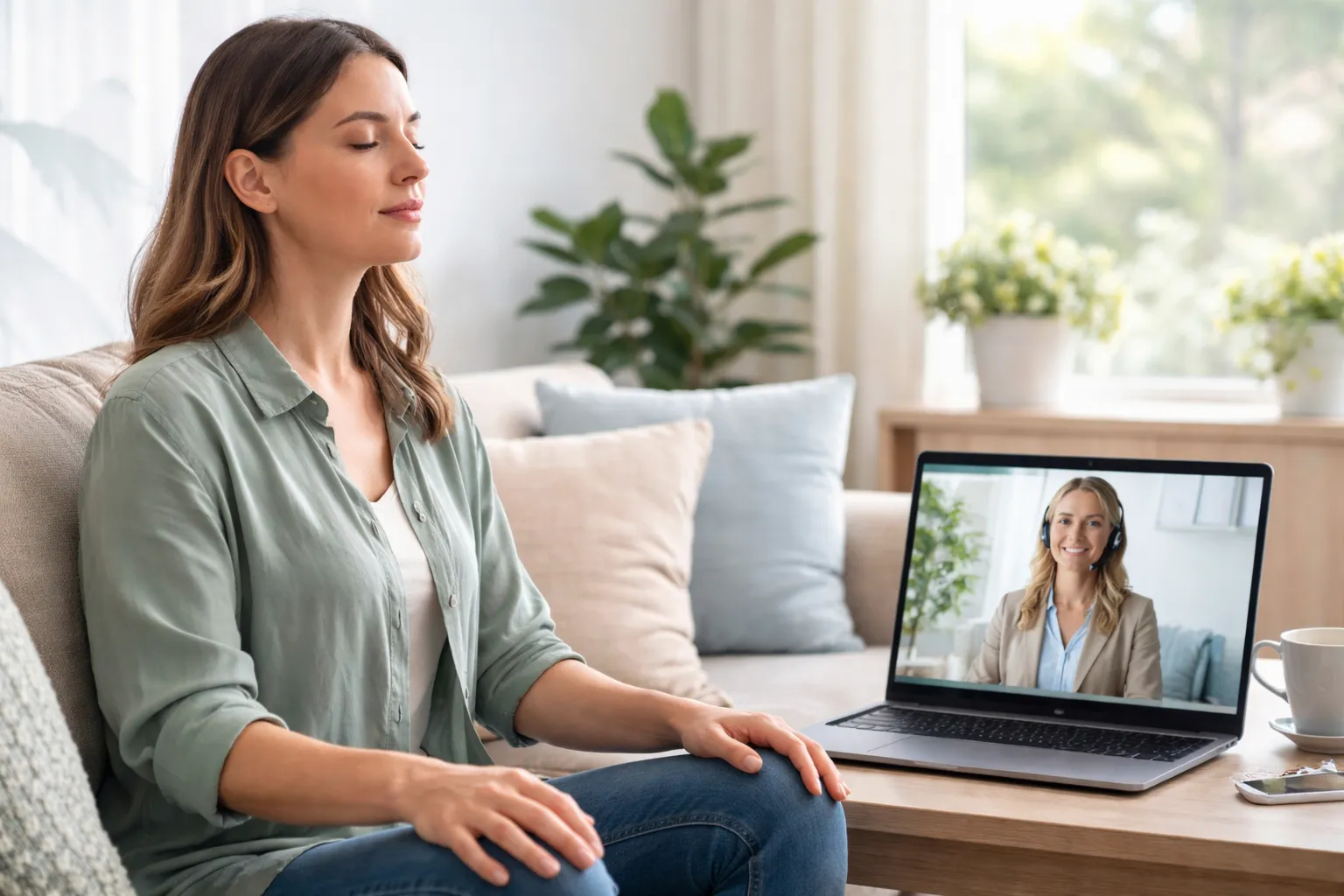
Anxiety can appear without warning. One moment you are getting on with your day, and the next, your heart is racing, your thoughts are spiralling, and you feel overwhelmed. If you have ever searched for how to reduce anxiety immediately, you are not alone. Many Australians experience anxiety symptoms that can affect their work, relationships, sleep, and overall wellbeing. While long-term treatment and professional support are often important, there are also practical techniques that can help calm your mind and body in the moment.
Breathing exercises, grounding techniques, and mindfulness practices are among the most effective strategies for managing anxiety quickly. These approaches can help regulate your nervous system, bring your attention back to the present moment, and reduce the intensity of anxious thoughts. Whether you are dealing with stress at work, social anxiety, panic symptoms, or general feelings of overwhelm, learning these skills can make a significant difference.
In this guide, we will explore how anxiety affects the body, why these techniques work, and the best ways to use breathing, grounding, and mindfulness to regain control when anxiety strikes.
Understanding Anxiety and Why It Feels So Intense
Anxiety is your body's natural response to perceived danger or stress. When you feel anxious, your brain activates the "fight, flight, or freeze" response. This triggers the release of stress hormones such as adrenaline and cortisol.
As a result, you may experience symptoms including:
- Rapid heartbeat
- Shortness of breath
- Muscle tension
- Sweating
- Dizziness
- Racing thoughts
- Difficulty concentrating
- Restlessness
- A sense of impending doom
While these symptoms can feel frightening, they are often your body's attempt to protect you. The problem is that anxiety can sometimes activate this response even when there is no immediate threat.
The good news is that breathing, grounding, and mindfulness techniques can help signal to your brain that you are safe, allowing your body to return to a calmer state.
Why Breathing Techniques Help Reduce Anxiety
When anxiety takes over, breathing often becomes shallow and rapid. This can increase feelings of panic and make physical symptoms worse.
Intentional breathing exercises work by:
- Slowing your heart rate
- Reducing muscle tension
- Improving oxygen flow
- Activating the body's relaxation response
- Helping you regain a sense of control
Learning to control your breathing can be one of the fastest ways to reduce anxiety symptoms.
Box Breathing: A Simple Technique for Immediate Calm
Box breathing is commonly used by athletes, emergency responders, and military personnel to stay calm under pressure.
How to Practice Box Breathing
- Inhale slowly through your nose for four seconds.
- Hold your breath for four seconds.
- Exhale slowly through your mouth for four seconds.
- Hold again for four seconds.
- Repeat for several cycles.
Focusing on the counting process can help interrupt anxious thoughts and create a sense of stability.
The 4-6 Breathing Method
Another effective breathing exercise involves extending your exhale longer than your inhale.
Steps
- Breathe in through your nose for four seconds.
- Breathe out slowly through your mouth for six seconds.
- Continue for two to five minutes.
Longer exhalations encourage your parasympathetic nervous system, which is responsible for relaxation and recovery.
Belly Breathing for Stress Relief
Many people breathe from their chest when anxious. Belly breathing helps engage the diaphragm and promotes deeper relaxation.
How to Practice
- Place one hand on your chest and one on your stomach.
- Inhale deeply through your nose.
- Allow your stomach to rise while keeping your chest relatively still.
- Exhale slowly through your mouth.
- Repeat for several minutes.
This technique is especially helpful before sleep or during stressful situations.
Grounding Techniques: Bringing Yourself Back to the Present
Anxiety often pulls your attention into worries about the future or fears about what might happen next. Grounding techniques help anchor you in the present moment.
These exercises focus on what is happening right now rather than what could happen later.
The 5-4-3-2-1 Grounding Method
This is one of the most widely recommended grounding exercises for anxiety.
Identify:
- 5 things you can see
- 4 things you can touch
- 3 things you can hear
- 2 things you can smell
- 1 thing you can taste
By engaging your senses, you redirect your attention away from anxious thoughts and reconnect with your surroundings.
Physical Grounding Techniques
Sometimes anxiety creates a feeling of disconnection or unreality. Physical grounding can help restore a sense of stability.
Examples include:
- Holding an ice cube
- Running your hands under cool water
- Pressing your feet firmly into the floor
- Touching a textured object
- Wrapping yourself in a blanket
These physical sensations can help interrupt the anxiety cycle and bring your focus back to the present.
Name What You See Around You
A simple but effective grounding exercise involves looking around your environment and naming objects aloud.
For example:
- Chair
- Window
- Plant
- Table
- Computer
This can help shift your attention away from internal worries and towards external reality.
Mindfulness: Training Your Mind to Stay Present
Mindfulness involves paying attention to the present moment without judgement. It does not require clearing your mind or stopping your thoughts. Instead, it encourages awareness and acceptance.
Research consistently shows that mindfulness can reduce stress, improve emotional regulation, and decrease anxiety symptoms over time.
How Mindfulness Helps with Anxiety
Mindfulness helps you:
- Observe anxious thoughts without becoming overwhelmed by them
- Reduce overthinking
- Improve emotional resilience
- Increase self-awareness
- Develop healthier coping strategies
The more regularly you practise mindfulness, the easier it becomes to manage anxiety when it arises.
A One-Minute Mindfulness Exercise
You do not need hours of meditation to benefit from mindfulness.
Try this simple exercise:
- Sit comfortably.
- Close your eyes if you feel comfortable doing so.
- Focus on your breathing.
- Notice each inhale and exhale.
- When your mind wanders, gently return your attention to your breath.
Even one minute of mindful breathing can help create a sense of calm.
Mindful Observation
Choose an object nearby and focus your attention on it for one to two minutes.
Notice:
- Colour
- Shape
- Texture
- Size
- Details you may have overlooked
This exercise encourages present-moment awareness and can reduce mental overwhelm.
Mindful Walking
Walking mindfully can be especially useful when sitting still feels difficult.
As you walk:
- Notice the sensation of your feet touching the ground.
- Pay attention to sounds around you.
- Observe your breathing.
- Focus on the movement of your body.
This practice combines physical activity with mindfulness, making it an effective anxiety-management tool.
Combining Breathing, Grounding, and Mindfulness
While each technique can be effective on its own, combining them often produces the best results.
For example:
Step 1: Slow Your Breathing
Use box breathing or the 4-6 breathing method for one to two minutes.
Step 2: Ground Yourself
Practise the 5-4-3-2-1 technique to reconnect with your environment.
Step 3: Use Mindfulness
Focus on your breath or surroundings without judgement.
This three-step approach can help reduce anxiety quickly and restore a sense of balance.
When Anxiety Becomes More Than Occasional Stress
Everyone experiences anxiety from time to time. However, professional support may be beneficial if anxiety:
- Occurs frequently
- Interferes with daily activities
- Impacts work or study performance
- Affects relationships
- Causes sleep problems
- Leads to panic attacks
- Results in avoidance behaviours
Seeking help is not a sign of weakness. It is an important step towards improving your mental health and quality of life.
The Role of Telehealth Support in Australia
Accessing mental health care has become easier than ever through telehealth services. Australians can now connect with qualified mental health professionals from the comfort of their own homes.
Telehealth appointments can provide support for:
- Anxiety disorders
- Panic disorder
- Social anxiety
- Generalised anxiety disorder
- Stress management
- Mindfulness-based interventions
- Cognitive behavioural therapy (CBT)
This flexibility can be especially valuable for people living in regional or remote areas or those with busy schedules.
Creating an Anxiety Management Toolkit
Having a personalised anxiety toolkit can help you respond more effectively when symptoms arise.
Consider including:
Breathing Strategies
- Box breathing
- Belly breathing
- 4-6 breathing
Grounding Techniques
- 5-4-3-2-1 exercise
- Ice cube method
- Sensory awareness exercises
Mindfulness Practices
- Mindful breathing
- Guided meditation
- Mindful walking
Healthy Lifestyle Habits
- Regular exercise
- Quality sleep
- Balanced nutrition
- Reduced caffeine intake
- Social connection
The more tools you have available, the more confident you may feel when facing anxiety.
Common Mistakes to Avoid
When trying to reduce anxiety, people often:
- Fight against their anxious thoughts
- Expect instant perfection
- Avoid situations completely
- Ignore physical symptoms
- Stop practising once they feel better
Remember that anxiety management is a skill. Like any skill, it improves with regular practice.
Building Long-Term Resilience
While immediate techniques are valuable, building resilience over time is equally important.
Strategies include:
- Developing healthy coping mechanisms
- Practising mindfulness regularly
- Maintaining social support networks
- Seeking professional guidance when needed
- Prioritising self-care
These habits can help reduce the frequency and intensity of anxiety symptoms over the long term.
Final Thoughts
If you have been wondering how to reduce anxiety immediately, breathing exercises, grounding techniques, and mindfulness practices are excellent places to start. These evidence-based approaches can help calm your nervous system, reduce overwhelming thoughts, and bring your attention back to the present moment.
Although occasional anxiety is a normal part of life, persistent or severe symptoms should not be ignored. Accessing professional support can help you better understand your experiences and develop personalised strategies for long-term wellbeing.
At ExpertMinds, we understand that anxiety can affect every aspect of daily life. Through accessible telehealth support across Australia, individuals can connect with qualified professionals and receive guidance tailored to their unique needs, helping them move towards greater confidence, balance, and peace of mind.