Breathe, Stretch, Reset: A Calmer Way Through a Frantic Week
By Kessuda Holistic Healing LLC
21 Views
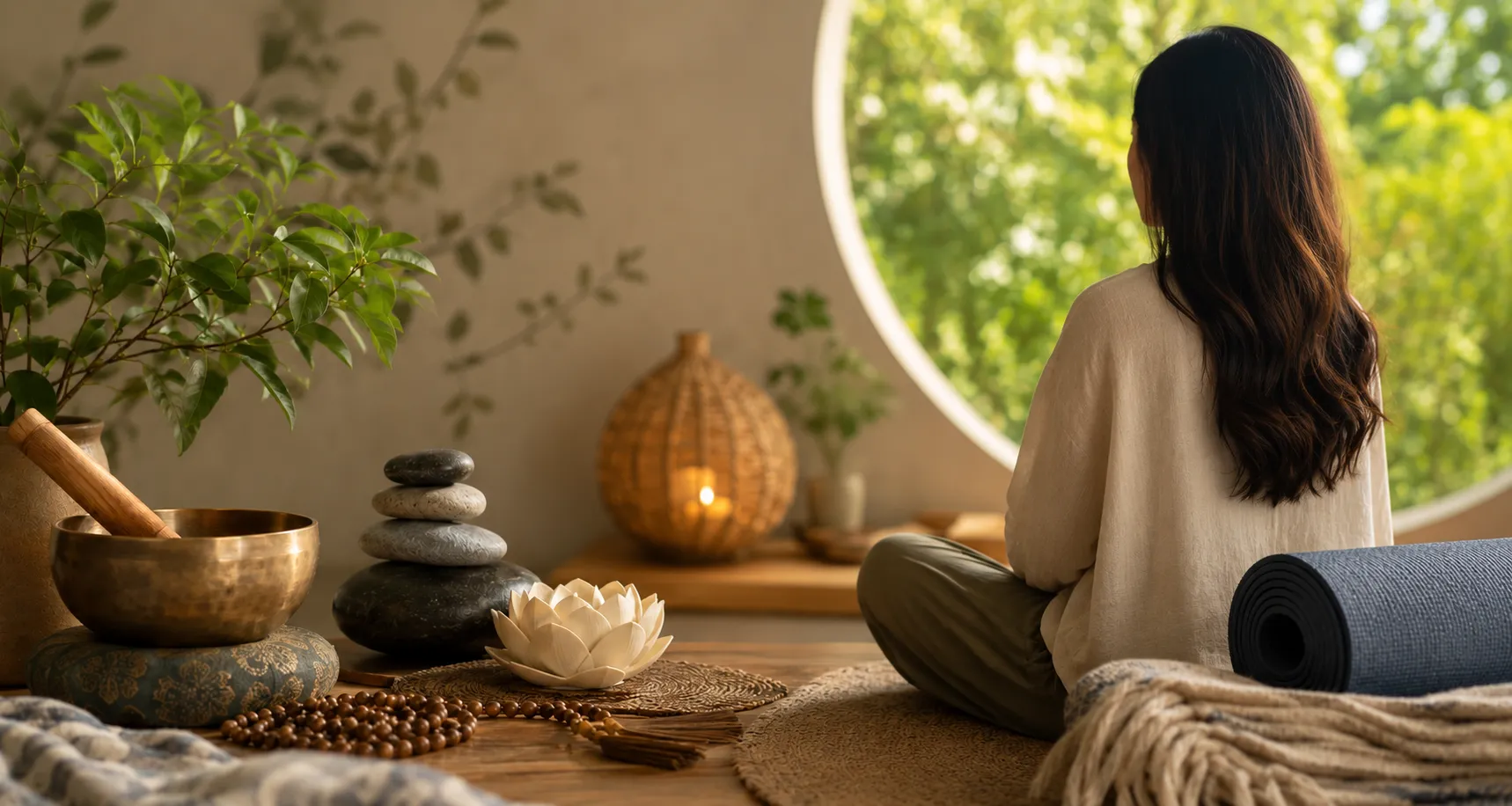
Your phone buzzes, your inbox fills up, and your shoulders creep toward your ears. Sound familiar? The American Psychological Association’s Stress in America surveys have repeatedly found that a large share of U.S. adults report significant stress, and many are looking for tools that go beyond “just relax.”
One approach gaining steady attention is mindful yoga for stress reduction. It combines gentle movement, breath awareness, and present-moment focus in a way that speaks to both body and mind.
What Makes This Practice Different?
Traditional fitness often pushes you to go faster, lift heavier, or burn more. Mindful yoga asks for something else: attention.
You move slowly and notice how each posture feels. When your mind wanders to tomorrow’s meeting, you gently bring it back to your breath. That simple habit of returning is the heart of the practice.
The Science, Without the Hype
The National Center for Complementary and Integrative Health notes that yoga may help people manage stress. Research also suggests that slow, controlled breathing can activate the parasympathetic nervous system, the body’s “rest and digest” mode.
That said, yoga is not a cure-all. It works best as a complement to sleep, good nutrition, and professional care when needed.
Core Elements of a Mindful Session
A well-designed class follows a logical arc rather than a random string of poses. Most sessions include:
- Centering: A few minutes of quiet sitting to arrive in the room and set an intention.
- Breathwork (pranayama): Techniques such as diaphragmatic breathing or a longer exhale to signal safety to the nervous system.
- Gentle movement: Cat-cow, low lunges, and standing forward folds that release tension in the spine, hips, and neck.
- Restorative poses: Supported child’s pose or legs-up-the-wall to encourage deep rest.
- Final relaxation (savasana): Several minutes of stillness to absorb the benefits.
Why the Breath Comes First
Breath is the one part of your autonomic system you can consciously control. Extending your exhale to be slightly longer than your inhale is a simple, widely taught way to help the body settle.
Everyday Benefits Worth Noticing
Most people don’t expect a dramatic transformation after one class. Improvements tend to be subtle and cumulative.
- Better awareness of early stress signals, such as a clenched jaw or shallow breathing
- Reduced muscle tension in the neck, shoulders, and lower back
- A calmer response to daily frustrations
- More restful sleep for some practitioners
- A stronger sense of connection to your own body
Who Can Benefit Most?
The practice can suit a wide range of people, including:
- Office professionals who sit for hours and carry tension in the upper body
- Caregivers and parents who rarely get time to decompress
- Healthcare and service workers dealing with long, demanding shifts
- Students juggling deadlines and exams
Bringing It Home: A Simple 10-Minute Routine
You don’t need a studio to begin. Try this short sequence in a quiet corner:
- Sit comfortably and take five slow breaths, inhaling for four counts and exhaling for six.
- Roll your shoulders and gently turn your head side to side.
- Move through cat-cow for one minute, syncing each motion to your breath.
- Hold a forward fold for five slow breaths, letting your head hang heavy.
- Lie down with your legs supported and rest for three minutes.
Consistency matters more than length. Ten minutes most days often does more than one long session once a month.
Choosing Quality Guidance
Best practices in the wellness field are worth knowing before you commit to a class. Look for instructors who hold a credential such as Yoga Alliance’s RYT-200 and who offer modifications for different bodies and experience levels.
A good teacher will invite you to rest when you need to, never push you into pain, and avoid promising medical outcomes. If you have an injury, are pregnant, or manage a health condition, check with your healthcare provider first.
Retreats and workshops can also deepen your practice by giving you uninterrupted time away from daily routines. Ask about the daily schedule, group size, and instructor qualifications before booking, and choose programs that are transparent about what they offer.
A Calmer Path Forward
Stress is part of life in the U.S., but it doesn’t have to run the show. Slowing down, breathing deliberately, and paying attention are small acts with real value.
If you’re ready to begin, start with just a few minutes and stay curious. With patience, mindful yoga for stress reduction can become a dependable anchor in a busy week. Explore the offerings at Kessuda Holistic Healing to find a guided approach that fits your pace and goals.