BPC 157 for Sale: How to Spot Quality Products
By Josan Brown
6 Views
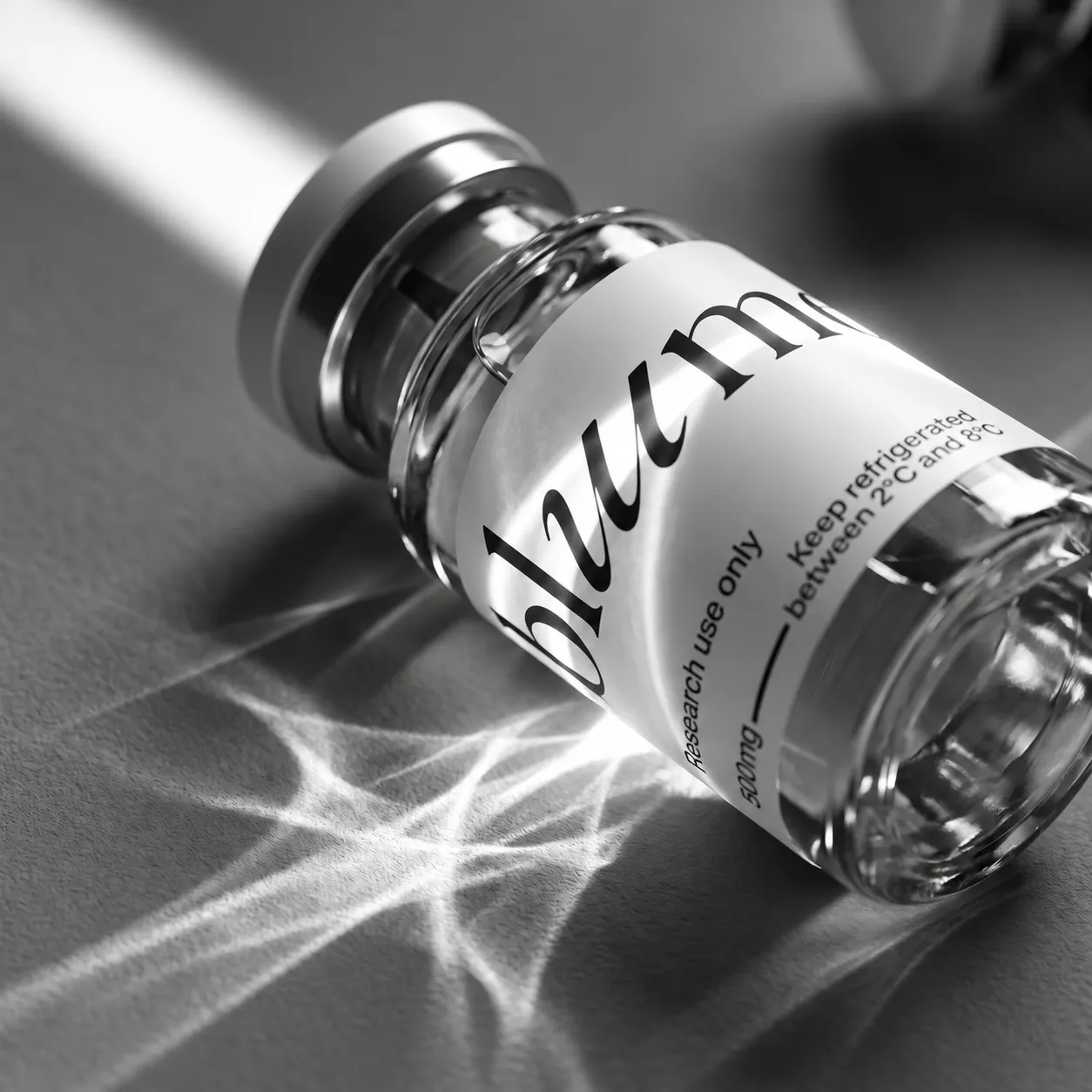
The phrase bpc 157 for sale is commonly used by people researching peptide products, but availability alone does not establish quality, safety, or effectiveness. BPC-157 is an experimental synthetic peptide that has received considerable attention because of findings from laboratory and animal research. Much of the discussion surrounding it involves potential effects on tissue repair, inflammation, gastrointestinal processes, and other biological pathways. However, human evidence remains limited, so buyers should evaluate claims carefully rather than assuming that a commercially available product is an established treatment.
BPC-157 is a 15-amino-acid peptide that has been investigated in preclinical research for several years. The promising results reported in experimental models have contributed to significant interest among researchers and consumers. At the same time, preclinical findings cannot automatically be translated into proven benefits for people. A responsible evaluation should consider the quality of the scientific evidence, the intended route of administration, manufacturing standards, and the reliability of the product documentation before drawing conclusions about any particular material.
What Makes a Peptide Product Look Reliable?
When researching bpc 157 for sale one of the first things to examine is whether the seller provides meaningful information about the material. A professional presentation should clearly identify the compound, its stated quantity, batch information, storage requirements, and intended classification. Vague descriptions, unexplained blends, missing batch numbers, or inconsistent labeling make it harder to determine exactly what is being offered. Transparency does not guarantee that a product is safe, but a lack of basic information is an important warning sign.
Buyers should also avoid judging quality based solely on packaging or attractive marketing. A professionally designed label does not prove that the contents match what is advertised. Likewise, claims such as pharmaceutical grade, laboratory tested, or ultra-pure have little value without supporting documentation. Quality assessment should focus on verifiable information about identity, composition, manufacturing controls, and analytical testing rather than slogans or unusually strong promises about what the peptide can accomplish.
Why a Certificate of Analysis Matters
A certificate of analysis, commonly called a COA, can provide useful information when evaluating a peptide material. A meaningful report should identify the compound tested and provide information that can be connected to a specific production batch. Analytical techniques such as high-performance liquid chromatography and mass spectrometry may be used to assess purity and molecular identity. These tests can help determine whether a material appears consistent with its stated composition, although they cannot establish that the substance is clinically effective.
Buyers should pay attention to whether laboratory documentation is specific and understandable. A generic document without a batch number, testing date, laboratory information, or identifiable product details provides considerably less confidence than a traceable report. It is also important to understand that purity is only one aspect of product quality. A material can have a high reported purity while still raising questions about sterility, concentration accuracy, degradation, contaminants, packaging, or suitability for a particular route of administration.
Red Flags to Watch for When Shopping
One major warning sign is a seller making guaranteed medical claims about BPC-157. Statements suggesting that the peptide will definitely heal an injury, cure a disease, regenerate tissue, or replace conventional treatment go beyond what current human evidence can establish. BPC-157 remains an investigational compound, and much of the scientific interest comes from preclinical research. Buyers should be especially cautious when promotional language presents experimental findings as though they were established medical outcomes.
Another red flag is unclear labeling regarding intended use. Some peptide products are marketed as research materials while their surrounding advertising appears directed toward personal medical use. This contradiction should prompt additional caution. Buyers should also question products with unusually low prices, missing batch information, unexplained purity claims, or no meaningful information about storage and handling. The absence of transparency does not automatically prove that a product is counterfeit, but it makes independent assessment considerably more difficult.
BPC-157 Research and Its Limitations
Research into BPC-157 has produced interesting findings in laboratory and animal models, including investigations into tissue repair, vascular processes, inflammation, and gastrointestinal biology. These results help explain why the peptide has attracted attention from researchers. However, laboratory models provide preliminary evidence rather than definitive proof of human therapeutic benefit. Differences in metabolism, absorption, dosing, biological targets, and safety can make translation from animals to humans difficult.
Human research remains comparatively small and limited in scope. Some early human investigations have explored BPC-157 through different administration methods, but these studies have generally involved small numbers of participants and limited follow-up. There is not enough high-quality clinical evidence to establish a validated dosing regimen or broad therapeutic effectiveness. This is why buyers should be skeptical of websites that present BPC-157 as a proven treatment for injuries or chronic medical conditions.
Quality Is More Than Purity
A common mistake when evaluating bpc 157 for sale is assuming that the highest purity percentage automatically represents the best product. Purity testing is useful, but it does not answer every question about quality. A responsible evaluation should consider identity, concentration, potential impurities, manufacturing controls, packaging, storage conditions, and the intended route of administration. For materials intended for research, these factors are particularly important because peptides can be sensitive to environmental conditions and may degrade if handled improperly.
The distinction between analytical quality and clinical quality is equally important. A laboratory can potentially confirm that a sample contains the expected peptide at a particular purity level, but that does not demonstrate that the material is safe for injection or another form of human administration. Clinical-grade medicines require substantially broader evidence concerning manufacturing, sterility, stability, pharmacology, safety, and effectiveness. Buyers should therefore avoid treating a laboratory purity report as proof that a research peptide is suitable for personal treatment.
BPC-157 Compared With Cosmetic Peptides
Peptide products can have completely different purposes even when they are discussed within the same general category. For example, the snap 8 peptide is primarily associated with topical cosmetic skincare and research into the appearance of expression-related facial lines. BPC-157, in contrast, is an experimental peptide that has primarily attracted attention for preclinical research into biological and tissue-related processes. Their structures, intended applications, evidence bases, and safety considerations are therefore very different.
This distinction matters when comparing products marketed online. A cosmetic peptide used in a properly formulated skincare product should not automatically be evaluated according to the same standards as an experimental compound intended for laboratory research. Likewise, research findings involving one peptide cannot be transferred to another simply because both are short chains of amino acids. Understanding the specific compound and its evidence base is much more useful than relying on the broad label of “peptide.”
Making a More Informed Decision
Anyone searching for bpc 157 for sale should approach the process as an evidence and quality evaluation rather than simply a search for the lowest price or strongest advertised claims. Look for clear identification, traceable batch information, meaningful analytical documentation, appropriate storage information, and transparent descriptions of intended use. At the same time, remember that even excellent documentation cannot turn an experimental compound into an approved medical treatment or establish benefits that have not been demonstrated in rigorous human research.
Ultimately, quality assessment should begin with realistic expectations. BPC-157 is scientifically interesting, and preclinical findings justify continued investigation, but important questions about human safety, effectiveness, formulation, dosing, and long-term use remain unresolved. A trustworthy evaluation therefore considers both what is known and what remains uncertain. Buyers should be particularly cautious about products promoted for self-treatment and should discuss medical concerns with a qualified healthcare professional rather than relying on seller claims or online testimonials.
Related Reading
Top 10 Hidden Secrets About Business & Finance You Need to Know
Welcome to our in-depth exploration of Business & Finance. In an era defined...
Why Business & Finance is Transforming the Global Industry Landscape
Welcome to our in-depth exploration of Business & Finance. In an era defined...