Block Walls: A Practical Guide to Stylish and Durable Garden Walls in Australia
By kevin
13 Views
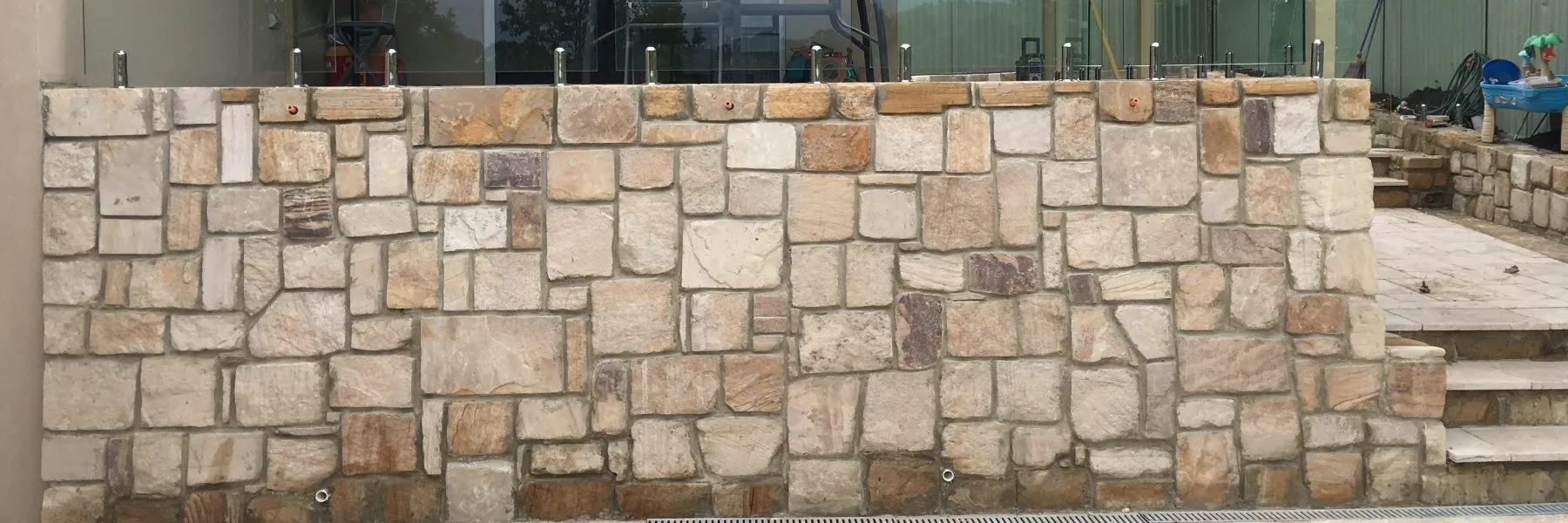
A well-designed garden wall can completely transform an outdoor space. Whether you want to create separate garden areas, manage changes in ground level, improve privacy, or add structure to your landscape, choosing the right wall is an important part of the project. For Australian homeowners, durability, weather resistance, and visual appeal are all essential considerations.
Block walls are a popular option for residential landscaping because they offer strength, flexibility, and a wide range of design possibilities. From modern garden borders to sturdy retaining structures, masonry blocks can complement different property styles while helping create a more functional outdoor environment.
Understanding the available materials, installation requirements, and maintenance needs can help you make an informed decision for your garden.
What Are Block Walls?
Block walls are structures built using individual masonry blocks joined together with mortar or installed using a suitable interlocking system. Depending on their design and purpose, they can serve as decorative garden features, boundary walls, privacy screens, or retaining walls.
Common materials include concrete masonry blocks, split-face blocks, and decorative concrete units. Each option offers different textures, finishes, and performance characteristics.
Concrete blocks are particularly useful in landscaping because they are generally durable and can be finished to suit contemporary, traditional, or minimalist outdoor designs.
Common Uses in Australian Gardens
Garden walls can serve several practical purposes, including:
-
Retaining sloping ground: Helping manage changes in elevation when properly engineered.
-
Defining garden beds: Creating clear boundaries around plants, lawns, and landscaped areas.
-
Improving privacy: Forming suitable screens or boundary features where permitted.
-
Creating outdoor living zones: Separating entertaining areas from lawns or planting spaces.
-
Adding visual interest: Introducing texture, height, and structure to a garden design.
The best application depends on your property's layout, soil conditions, drainage requirements, and overall landscaping goals.
Benefits of Installing Block Walls
1. Strength and Long-Term Durability
Quality masonry blocks can provide a sturdy structure when selected and installed correctly. They are suitable for many Australian outdoor environments, although performance depends on the materials, workmanship, exposure conditions, and maintenance.
For walls exposed to heavy rainfall, changing temperatures, or coastal conditions, selecting appropriate materials and construction methods is especially important.
2. Versatile Design Options
One of the biggest advantages of masonry landscaping is its design flexibility. You can choose smooth finishes for a contemporary garden, textured blocks for a natural appearance, or rendered surfaces for a clean, uniform look.
Decorative garden walls can also complement paving, outdoor steps, raised planting beds, and other landscape features. Matching these elements creates a more cohesive appearance throughout your property.
3. Better Use of Outdoor Space
Uneven ground can make gardens difficult to use. Carefully planned retaining structures can help create level areas for lawns, pathways, planting beds, and outdoor seating.
When a wall retains soil, however, it must be designed to withstand the pressure behind it. Adequate drainage and appropriate foundations are essential to help prevent movement, cracking, and premature failure.
4. Relatively Manageable Maintenance
Compared with some timber garden structures, properly constructed masonry walls may require less frequent maintenance. Routine inspections can help identify loose joints, cracks, drainage problems, or other issues before they become more serious.
Keeping the surrounding area well drained and addressing minor damage promptly can help extend the structure's service life.
How to Choose the Right Garden Wall
Selecting a suitable wall involves more than choosing a block colour or finish. Consider the following factors before beginning your landscaping project.
Assess the Purpose and Location
First, determine whether the wall will be decorative, serve as a boundary, or retain soil. A low garden border has different structural requirements from a wall supporting a raised driveway or sloping backyard.
Consider nearby buildings, fences, trees, underground services, and property boundaries. These factors may influence the wall's position and design.
Choose Suitable Materials
Concrete masonry blocks are widely used for their strength and versatility. Decorative or split-face blocks can provide additional visual appeal, while rendered finishes offer a smoother appearance.
Your choice should reflect the wall's intended function, local environmental conditions, desired finish, and available budget.
Plan for Drainage and Compliance
Water management is particularly important for retaining walls. Poor drainage can increase pressure behind the structure and contribute to instability.
Depending on the wall's height, location, loading, and local regulations, engineering, approvals, or other compliance requirements may apply. Check with your local council and a qualified professional before construction.
Why Professional Installation Matters
Although a small decorative garden border may be a manageable project for an experienced DIY enthusiast, structural masonry work requires careful planning and execution.
A professional landscaping team can assess ground conditions, recommend suitable materials, prepare the foundation, and ensure that drainage is incorporated where necessary.
For retaining applications, the design must account for soil pressure, water, surcharge loads, and site-specific conditions. Correct installation helps reduce the risk of leaning, cracking, and costly repairs.
Conclusion
A thoughtfully planned garden wall can improve the appearance, usability, and organisation of your outdoor space. With suitable materials, proper foundations, effective drainage, and quality workmanship, block walls can provide a durable and attractive landscaping solution for many Australian properties.
Whether you are refreshing a small garden, creating raised planting areas, or improving a sloping backyard, choosing the right wall design will help you achieve a result that suits your property's needs.
Ready to improve your outdoor space? Explore the garden wall solutions at Retaining Walls Landscaping and discuss your project requirements with a qualified landscaping professional.
Frequently Asked Questions
1. Are block walls suitable for Australian gardens?
Yes. Masonry blocks can suit many Australian gardens because they are versatile and durable when appropriately selected and installed. The best option depends on local weather conditions, soil type, drainage, and the wall's intended purpose.
2. How long do block walls last?
A well-designed and properly maintained masonry wall can last for decades. Its lifespan depends on material quality, foundations, drainage, environmental exposure, and construction standards.
3. Do block walls need drainage?
Decorative walls may have different drainage needs from retaining walls. Where a wall holds back soil, an appropriate drainage system is generally essential to manage water pressure and protect structural stability.
4. Can block walls be used on sloping properties?
Yes. They can be used to create level garden areas on sloping sites, provided the retaining structure is designed for the ground conditions and expected loads. Professional assessment may be necessary.
5. Are block walls expensive to install?
Costs vary according to wall height and length, block type, site access, excavation, foundations, drainage, labour, and engineering requirements. Obtaining a site-specific quote is the best way to establish a realistic budget.
Related Reading
Top 10 Hidden Secrets About Business & Finance You Need to Know
Welcome to our in-depth exploration of Business & Finance. In an era defined...
Why Business & Finance is Transforming the Global Industry Landscape
Welcome to our in-depth exploration of Business & Finance. In an era defined...