Beyond the Box: How Better Delivery Packaging Can Turn Everyday Orders into Memorable Brand Experiences
By Harry Brown
10 Views
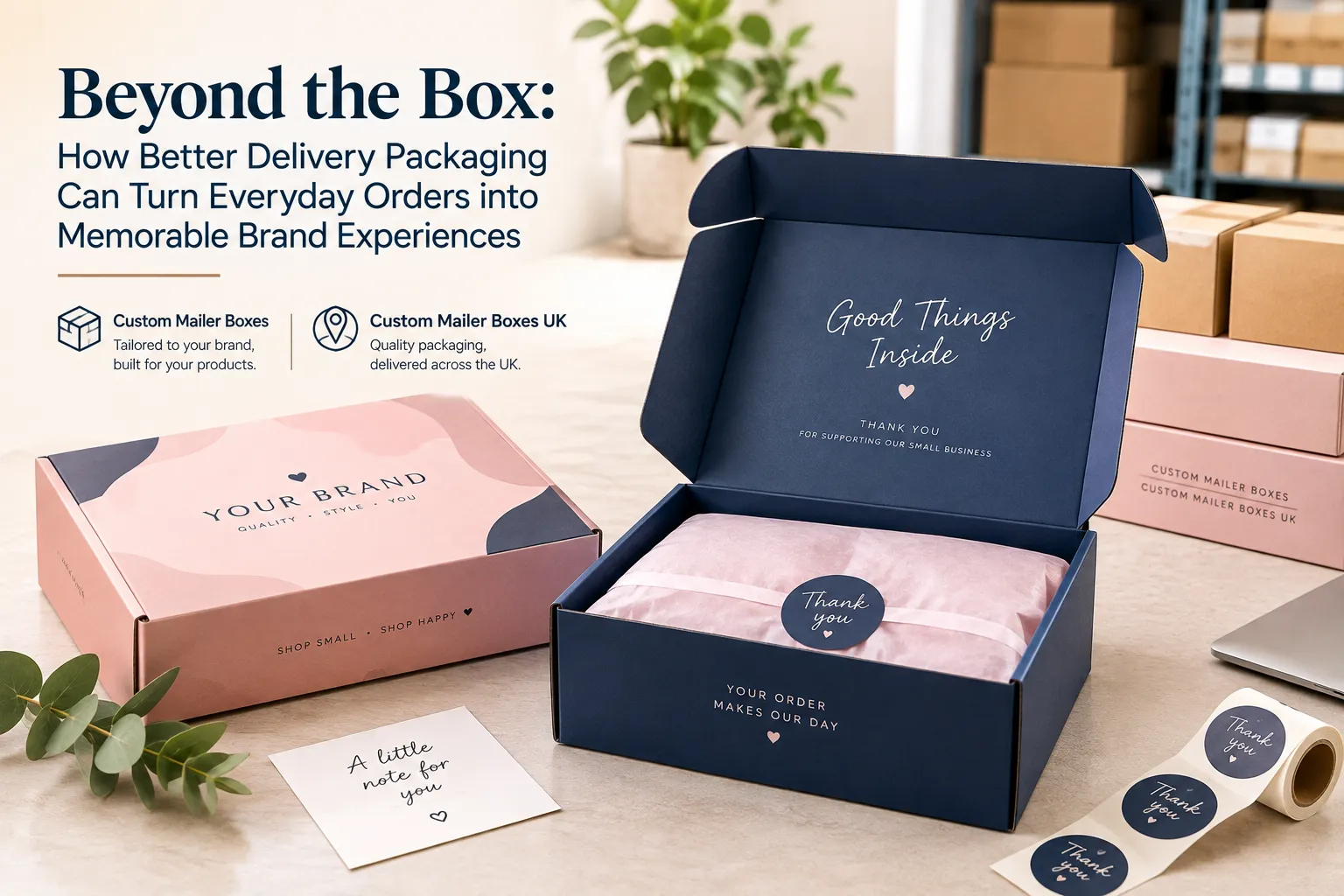
For an online business, the delivery experience is often the first physical interaction a customer has with the brand. A product may have been carefully selected, beautifully photographed and thoughtfully described online, but the customer's perception can change quickly when the parcel arrives.
Packaging has a bigger role to play than simply getting an order from one place to another. It protects the product, communicates brand personality and can create a positive moment that customers remember long after opening their purchase.
With e-commerce becoming increasingly competitive, businesses have an opportunity to use delivery packaging as part of the overall customer experience rather than treating it as an afterthought.
The Delivery Experience Starts Before the Box Is Opened
When a parcel arrives, customers immediately notice its condition. Is the package clean and secure? Does it look professional? Is the product likely to be protected inside?
These small details can influence expectations before the customer even opens the box.
A damaged or oversized parcel can create uncertainty, while a neat and well-presented package can build confidence. This is particularly important for smaller online brands that may not have the same recognition as established retailers.
The delivery box becomes a physical representation of the business. Making that first impression count can help create a stronger connection with the customer.
Choosing Packaging That Fits the Product
One of the most important packaging decisions is choosing the correct size and structure. A box that is too large can leave excessive space around the product, while a box that is too small may make packing difficult or put pressure on the contents.
Right-sized packaging can help reduce movement during transit and may also reduce the amount of additional protective material required.
Custom mailer boxes can be particularly useful for e-commerce businesses that regularly send smaller products directly to customers. Their practical structure can make packing straightforward while providing an opportunity for businesses to create a more consistent presentation across their orders.
The right choice ultimately depends on the product, delivery requirements, storage space and overall brand strategy.
Protection Should Always Come First
A memorable unboxing experience means little if the product arrives damaged. Delivery packaging must therefore balance appearance with reliable protection.
Products can experience handling, movement and pressure during transportation. The packaging should be selected according to the nature of the item and the level of protection it requires.
For fragile products, businesses may need suitable inserts or protective materials. More durable products might only require a well-fitted outer package.
It is also worth testing packaging before committing to a large production run. Sending sample parcels through a realistic delivery journey can help identify weaknesses that may not be obvious during the packing process.
Packaging Can Communicate Brand Personality
Every business has a personality, whether it is playful, minimalist, premium, traditional or environmentally focused. Packaging gives brands another opportunity to express that personality.
A simple logo, consistent typography or carefully selected design can make a parcel immediately recognisable. The objective is not to cover every available surface with marketing messages. Good branding is often more effective when it feels intentional and balanced.
For example, a minimalist skincare company may choose clean typography and subtle printing, while a children's retailer could use brighter illustrations and more playful details.
The packaging should feel like a natural extension of the brand rather than a separate design project.
Creating a Better Unboxing Moment
Opening a parcel should be easy, but it can also be enjoyable. Small details can make an ordinary delivery feel more considered.
Tissue paper, a thank-you card, a neatly arranged product or a short care guide can add value without making the packaging unnecessarily complicated.
The sequence matters as well. Think about what the customer sees first, what they discover next and how the product is finally presented.
A good unboxing experience should feel natural. Customers should not have to fight through layers of tape or excessive packaging just to reach their purchase.
The aim is to create anticipation without creating frustration.
Why Consistency Matters
A brand may spend significant time designing its website and social media presence, but inconsistent packaging can weaken that identity.
Imagine ordering from a business with a polished website, only to receive a plain box covered in unrelated labels. The physical experience does not match the expectations created online.
Consistent packaging helps connect the digital and physical sides of the customer journey.
This does not mean every parcel needs to look identical. Instead, important visual elements such as colours, logos, typography and messaging should work together to create recognition.
Over time, customers may begin to identify a parcel before they even read the sender's details.
Packaging for Different Order Types
E-commerce businesses often sell multiple product categories, meaning one packaging solution may not work for everything.
A clothing retailer might need different formats for individual garments and larger orders. A cosmetics business could require smaller boxes for individual products and larger structures for gift sets.
Creating a packaging range can make the fulfilment process more efficient. Instead of forcing every order into one oversized format, businesses can select packaging according to the product and order size.
This can also improve presentation because products are less likely to move around inside an unnecessarily large package.
Sustainability and Customer Expectations
Packaging waste is an increasingly important consideration for shoppers. Customers may appreciate businesses that make practical efforts to reduce unnecessary materials.
However, sustainable packaging should not come at the expense of product protection. If inadequate packaging results in damaged goods and replacement deliveries, the environmental and financial costs can increase.
Businesses can instead focus on sensible improvements, such as reducing unnecessary components, choosing recyclable materials where suitable and selecting packaging sizes that better match their products.
It is also important to avoid making environmental claims that cannot be supported. Clear and honest communication is more valuable than vague promises.
Making Packaging Work for the Warehouse
Customer experience is only one side of the equation. Packaging also needs to work for the people preparing orders.
If boxes are difficult to assemble, awkward to store or slow to seal, they can create unnecessary delays in the fulfilment process.
Businesses should consider how much time staff spend opening, assembling, filling and closing each package. A packaging format that saves only a few seconds per order can make a noticeable difference when hundreds of parcels are processed.
Custom mailer boxes UK businesses use can be selected and designed around specific product dimensions, branding requirements and fulfilment needs. This can help create a more consistent process from packing station to customer doorstep.
Don't Add Details Just for the Sake of It
One common mistake is assuming that more packaging automatically creates a better experience.
Extra ribbons, inserts, stickers and layers may initially look impressive, but they can also increase costs, create waste and make the customer experience unnecessarily complicated.
Instead, every packaging element should have a purpose.
Does it protect the product? Does it make opening easier? Does it communicate something useful? Does it reinforce the brand?
If it does none of these things, it may not be necessary.
Thoughtful packaging is not about adding more. It is about choosing better.
Learn From Customer Feedback
The best packaging strategy can evolve through real customer feedback.
Businesses should pay attention to comments about damaged products, difficult opening experiences, excessive packaging or particularly memorable presentation.
Customer reviews can provide useful insights, but businesses can also ask direct questions after delivery. A simple survey can reveal what customers noticed and what they would change.
Social media can provide another source of feedback. If customers voluntarily photograph or share their parcels, it may indicate that the presentation is creating a positive experience worth building on.
Turning Everyday Orders Into Brand Experiences
Every order represents an opportunity to strengthen the relationship between a customer and a business. Packaging sits directly in the middle of that interaction.
A well-designed parcel can protect the product, simplify fulfilment, reinforce brand identity and create a moment of excitement. None of these elements needs to be excessive or expensive when they are planned carefully.
The most successful approach is to think about the complete journey: how the package is stored, how quickly it can be packed, how it performs during delivery and what the customer feels when it arrives.
Conclusion
Delivery packaging is much more than a container. It is part of the experience customers receive from an e-commerce brand.
By choosing suitable structures, focusing on product protection, using consistent branding and paying attention to the unboxing process, businesses can turn an everyday delivery into something more memorable.
The strongest packaging solutions combine practicality with thoughtful presentation. When a parcel arrives safely, looks professional and feels connected to the brand behind it, even a routine online order can become a positive experience that customers remember.
Related Reading
Top 10 Hidden Secrets About Business & Finance You Need to Know
Welcome to our in-depth exploration of Business & Finance. In an era defined...
Why Business & Finance is Transforming the Global Industry Landscape
Welcome to our in-depth exploration of Business & Finance. In an era defined...